
Lawn
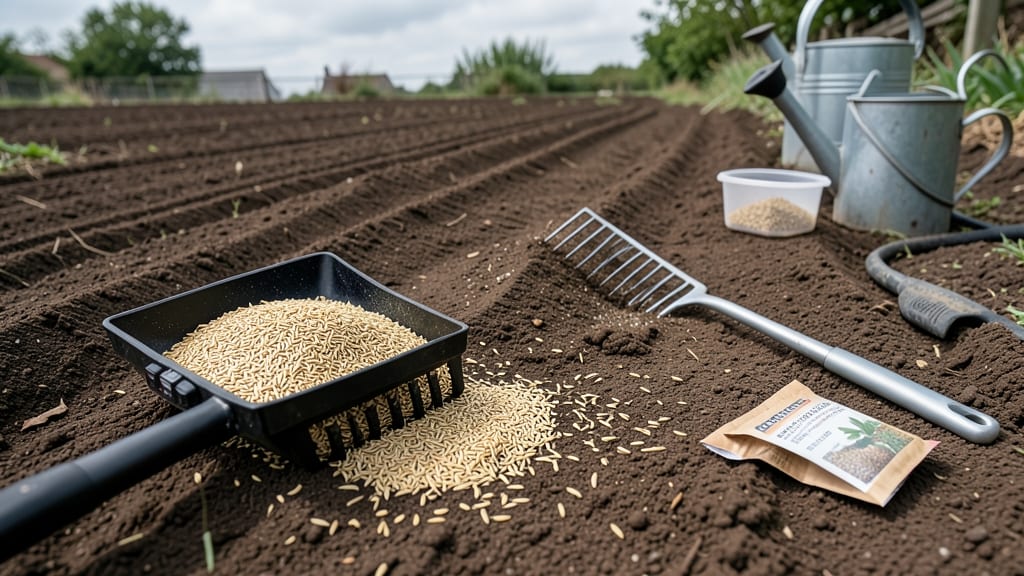
Fall is the secret weapon for a thicker, greener lawn next spring—but putting grass seed down in fall is the move that sets you up for success.
Cool-season grasses like fescue and rye germinate fast in mild soil, and my lawns seeded in fall always outlast spring plantings, which often struggle through summer. The key? Getting seed in the ground 6-8 weeks before frost, when weeds are dormant and moisture stays steady.
You’ll need a rake, seed (choose a cool-season blend for your zone), a light layer of compost, and a sprinkler set to gentle watering. First, remove debris, loosen soil lightly, and spread seed evenly—no more than ½ pound per 100 square feet.
Then, top with a thin layer of compost to protect seeds from birds and drying winds.
Watering is where most people fail: keep soil evenly moist (not soggy) for the first 2-3 weeks—that’s when roots anchor deep. Once seedlings hit 2-3 inches tall, you can back off to weekly deep waterings. By winter, those roots will be frost-proof and ready to explode in spring.
This method works for every climate zone—just adjust timing (southern zones seed earlier; northern zones can go later). The payoff? Fewer weeds, stronger grass, and a lawn that outshines spring-seeded neighbors. Here’s how to nail every step without the common pitfalls.
📚 In This Guide
- What you need
- Instructions
- Tips and common mistakes
- Wrapping up and next steps
What you need
- ● Grass seed: Choose a cool-season variety (e.g., tall fescue, Kentucky bluegrass, or perennial ryegrass) at 5–10 lbs per 1,000 sq ft, depending on your lawn’s needs.
- ● Lawn fertilizer: A slow-release, high-nitrogen blend (e.g., 24-0-6) for 1–1.5 lbs of nitrogen per 1,000 sq ft.
- ○ Topsoil or compost: ¼–½ inch layer to improve seed-to-soil contact (optional but recommended for bare spots).
- ● Rake: A bow rake with ¼–½ inch tines for leveling soil and removing debris.
- ● Broadcast spreader: For even distribution of seed (manual or drop-type).
- ● Water source: Hose with a fine-mist nozzle or sprinkler system.
- ○ Straw or netting: ¼–½ inch thick to protect seeds from birds and erosion (optional but helpful).
- ● Pre-emergent herbicide: Apply 4–6 weeks before seeding to prevent weeds.
- ● Soil test kit: To check pH (ideal: 6.0–7.0) and adjust with lime or sulfur if needed.
- ● Lawn roller: Lightweight (50–100 lbs) to press seed into soil gently.
- ● Seed germination blanket: Biodegradable fabric for extra protection in windy areas.
Step-by-Step instructions for planting cool-season grass seed in fall
Fall planting gives grass roots a head start—here's how to do it right before winter sets in.
Prepare the Soil for Optimal Seed Contact
Start by mowing the existing lawn as short as possible, ideally to ½ inch or less. This removes competition and allows new seeds to reach the soil directly. After mowing, rake the area thoroughly with a stiff-bristle rake to remove debris and create a smooth, even surface. The goal is to expose bare soil in at least 50% of the area—this ensures good seed-to-soil contact, which is critical for germination.
Test the soil pH using a kit if possible. Cool-season grasses like tall fescue and ryegrass thrive in a pH range of 6.0–7.0. If your soil is too acidic, apply lime according to package instructions at least 2–3 weeks before seeding. Work the lime into the top 2–3 inches of soil and water deeply to activate it. Avoid testing soil after recent rain, as moisture can skew results.
Choose and Spread Seed Evenly
Select a cool-season grass seed mix suited to your climate and sun exposure. For most regions, a blend of tall fescue, fine fescue, and perennial ryegrass provides durability and quick establishment. Use ½ pound of seed per 100 square feet for overseeding established lawns, or 5–10 pounds per 1,000 square feet for new lawns. Spread the seed by hand or with a broadcast spreader set to the recommended rate—walk in perpendicular directions to ensure even coverage.
Don’t skip this step: Uneven distribution leads to patchy growth. Lightly rake the area again after seeding to press seeds into the soil without burying them too deeply. Most cool-season grasses only need to be covered with ¼ inch or less of soil or compost. If you’re seeding bare soil, a thin layer of starter fertilizer (high in phosphorus) can help roots establish faster.
Water Gently and Consistently for Germination
Water the seeded area lightly but frequently—aim for ¼ inch of water per day, split into two applications (morning and evening). Keep the top 1–2 inches of soil moist until germination occurs, which typically takes 7–21 days depending on the grass type and weather. Use a gentle spray nozzle on your hose to avoid dislodging seeds. You’ll know you’re doing it right when the soil surface stays damp but not soggy.
Once the grass reaches 2–3 inches tall, you can reduce watering to ½ inch per week, including rainfall. Avoid heavy foot traffic or mowing until the new grass is 3–4 inches tall and has developed a strong root system. This usually takes 4–6 weeks after germination. If birds or animals disturb the area, cover it temporarily with lightweight netting until the grass is established.
Maintain and Transition to Winter Care
After the new grass reaches 3–4 inches, mow it to 3 inches to encourage root growth and prevent disease. Use a sharp mower blade to avoid tearing the grass. Apply a slow-release nitrogen fertilizer (such as 16-4-8) at a rate of ½ pound per 1,000 square feet to support fall growth. Stop fertilizing 6–8 weeks before the first expected frost to allow roots to harden off naturally.
As temperatures drop below 40°F at night, reduce watering to ¼ inch per week unless there’s no rainfall. Cool-season grasses go dormant in winter but remain green if cared for properly. In early spring, resume mowing when the grass reaches 3–4 inches and apply a pre-emergent herbicide if broadleaf weeds are a problem. This ensures your new lawn starts the growing season strong.
Tips & tricks for perfect fall grass establishment
Fall planting sets the foundation for a resilient lawn—here's how to avoid common pitfalls and maximize success.
Soil Preparation: When mowing to that ideal ½-inch height in Step 1, focus on removing only the top growth, not the soil surface. Use a sharp mower blade to prevent tearing grass roots, which can stress the lawn before seeding. After raking, run your hand over the area—you should feel at least 50% bare soil with no large clumps remaining. This tactile check ensures optimal seed contact.
Seed Selection: The blend of tall fescue, fine fescue, and perennial ryegrass in Step 2 offers the best balance for most climates. For shady areas, consider adding 20% more fine fescue to your mix—it tolerates lower light conditions better. Always check the seed label for germination rates; lower percentages mean you'll need to use slightly more seed to achieve full coverage.
Watering Strategy: During the critical 7-21 day germination period in Step 3, watering consistency matters more than quantity. I recommend using a rain gauge or measuring cup to verify your ¼-inch daily application. Early morning watering (before 8 AM) minimizes evaporation, while evening watering helps prevent fungal growth. If rain falls during this period, reduce your watering schedule accordingly.
Winter Transition: The 6-8 week window before frost in Step 4 is crucial for root development. If your area experiences early freezes, consider using a frost blanket to protect new seedlings during the first few nights below 40°F. This temporary protection can make the difference between a brown patch and a thriving lawn come spring.
Pro Tips for Putting Grass Seed Down In Fall
- Fall planting sets the foundation for a resilient lawn—here's how to avoid common pitfalls and maximize success.
- Soil Preparation: When mowing to that ideal ½-inch height in Step 1, focus on removing only the top growth, not the soil surface.
- Seed Selection: The blend of tall fescue, fine fescue, and perennial ryegrass in Step 2 offers the best balance for most climates.
Frequently asked questions
What’s the best time to put grass seed down in fall?
The ideal window is 4–6 weeks before your first hard frost (usually late August to early October, depending on your zone). Cool temps and frequent rain help seeds germinate without drying out or overheating. Check your local frost date—seeds need time to root before winter hits!
Can I overseed an existing lawn in fall, or do I need to reseed bare spots only?
Both work! Overseeding thickens thin lawns, while spot-seeding repairs bare patches. For overseeding, mow short (1–2 inches), loosen soil with a rake or aerator, and spread seed evenly. Spot-seeding? Just prep the soil, add seed, and water gently. Pro tip: Use a spreader for even coverage!
How often should I water grass seed after planting?
Keep soil consistently moist (not soggy) for the first 2–3 weeks. Water lightly twice daily (morning/evening) for 10–15 minutes, then taper to daily deep watering once sprouts appear. Avoid overhead sprinklers—they can wash seeds away. A rain gauge helps track moisture!
What if fall weather turns too cold or dry before seeds germinate?
If frost threatens, cover seeds lightly with straw or a breathable tarp to insulate them. For dry spells, water deeply and check soil moisture daily. If germination stalls, wait until spring—cool-season grasses can survive winter but need a head start. Patience is key!
Can I use spring grass seed in fall, or do I need cool-season varieties?
Nope! Cool-season grasses (like fescue, ryegrass, or bluegrass) thrive in fall, while warm-season types (Bermuda, Zoysia) need spring/summer planting. Mixing varieties? Stick to cool-season blends for fall—your lawn will thank you with lush growth come spring!
Wrapping up and next steps
Fall is the perfect time to plant cool-season grass seed—cooler temps, fewer weeds, and steady moisture create ideal conditions for strong root growth before winter sets in.
By following the right steps—prepping the soil, choosing quality seed, and maintaining consistent care—you’ll set your lawn up for a lush, vibrant spring and beyond. 🌱
Ready to take action? Grab your supplies, mark your calendar for September or early October, and get started! A little effort now means a greener, healthier lawn next year—your future self (and your neighbors) will thank you. 👍