
Lawn
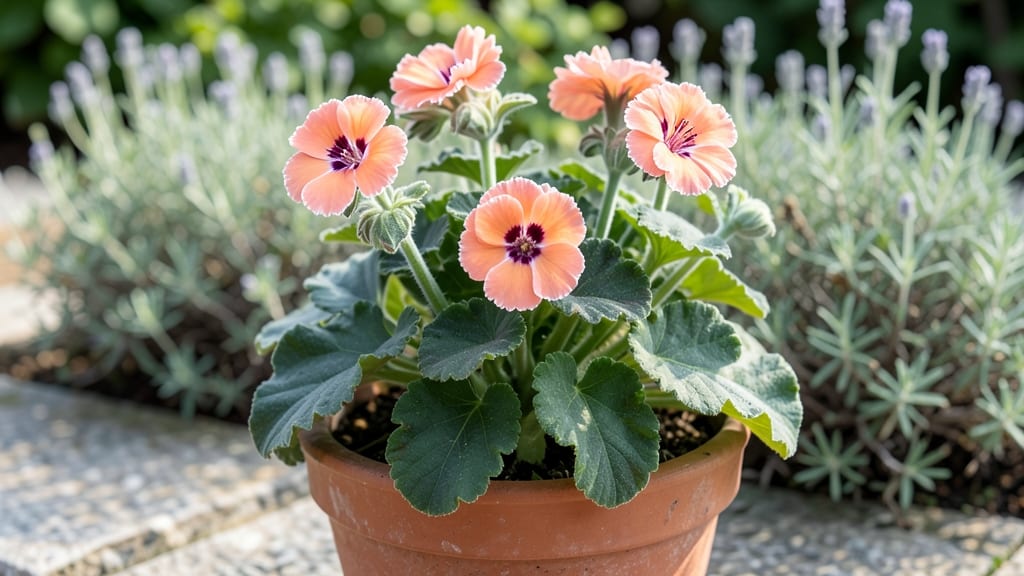
Mastering seed geranium care lets you enjoy vibrant blooms all year—without the high cost of nursery plants. 🌱 I’ve learned the hard way that these delicate seedlings need just the right balance of warmth, light, and patience to thrive, but once they take root, they reward you with months of color and minimal fuss.
The secret starts with the soil: a lightweight mix that drains fast keeps those tiny roots from rotting. Plant seeds just 1/8-inch deep in small pots, then cover them with a humidity dome (even a plastic bag works).
Most seeds sprout within 10-14 days if kept at 70°F, but don’t be surprised if a few lag—geraniums are finicky about germinating. Once they’ve got their first true leaves, move them to a sunny windowsill or under grow lights.
Water from the bottom to avoid damping off, and pinch back the leggy growth when they’re a few inches tall—this tricks them into bushier, fuller plants. By summer, you’ll have compact, blooming bushes that outperform store-bought geraniums. The best part?
These plants keep flowering indoors through winter if you give them bright light and occasional fertilizer. Troubleshoot weak seedlings by checking for overwatering or cold drafts, and always use fresh potting mix to prevent disease. Here’s how to keep them going strong all season.
📚 In This Guide
- What you need
- Instructions
- Tips and common mistakes
- Wrapping up and next steps
What you need
- ● Seed geraniums: 5–10 seeds (or a small packet for variety). Choose Pelargonium species for vibrant blooms!
- ● Seed-starting trays or small pots: 2–4" deep (1–2 per seedling). Use biodegradable pots for easy transplanting.
- ● Seed-starting mix: 1–2 bags (sterile, well-draining potting soil with perlite or vermiculite). Avoid garden soil—it’s too dense!
- ● Watering can or spray bottle: With a fine mist nozzle to avoid disturbing seeds.
- ● Grow lights or sunny windowsill: 6–8 hours of bright, indirect light daily (south-facing window or LED grow lights).
- ○ Humidity dome or plastic wrap: To retain moisture while seeds germinate (optional but helpful in dry climates).
- ● Fertilizer: Balanced liquid fertilizer (5-10-5 or 10-10-10), diluted to half-strength for seedlings.
- ● Heating mat: Keeps soil at 70–75°F to speed up germination (especially in cool climates).
- ● pH test kit: Ensure soil pH is 6.0–6.5—geraniums love slightly acidic soil!
- ● Insecticidal soap or neem oil: Preemptive strike against pests like aphids or spider mites.
- ● Support stakes or cages: For taller varieties (e.g., Pelargonium graveolens).
- ● Self-watering planters: Reduces fuss for busy gardeners—just add water!
How to care for seed geraniums for lush, year-round growth
Geraniums from seed are a gardener’s secret weapon—here’s how to coax vibrant blooms all year with just a few simple habits.
🌱 Step 1: Start with Proper Light and Temperature
Seed geraniums need bright, indirect light from day one—place your seedlings within 4-6 inches of a south-facing window or under grow lights for 14-16 hours daily. Without enough light, stems stretch weakly and leaves pale, a sure sign of legginess. I’ve seen seedlings collapse under artificial light that’s too dim, so test your setup first: if you can’t read a book comfortably under it, the light’s too weak.
Keep temperatures between 65-75°F for germination and growth. A seedling heat mat speeds up germination, but most homes stay in this range naturally. Watch for cold drafts—geraniums wilt dramatically when shocked by sudden temperature drops. If your home runs cooler, a simple grow tent with a small fan circulates warm air evenly.
💧 Step 2: Master the Watering Balance
Water geranium seedlings when the top inch of soil feels dry—overwatering is their #1 killer. I use a moisture meter to avoid guesswork, but you can also press a finger into the soil: if it springs back slowly, it’s time to water. Underwatering causes buds to drop, while soggy soil invites root rot and fungal diseases.
Use room-temperature water to avoid shocking roots. I fill a spray bottle with water and mist the soil surface until damp (not soggy) to encourage even moisture without disturbing delicate seedlings. Once plants hit 3-4 inches tall, switch to watering at the base to prevent leaf diseases.
☀️ Step 3: Fertilize Lightly for Blooms, Not Leaves
Geraniums reward consistent feeding with bold blooms, but too much fertilizer burns roots. I mix a balanced 10-10-10 fertilizer at half-strength every 4-6 weeks during spring and summer. In fall/winter, cut back to once every 8 weeks—they’re semi-dormant then.
Watch for yellow leaves—a classic sign of over-fertilizing. If you see this, flush the soil with plain water for 2 weeks to reset the plant. For organic growers, fish emulsion (diluted to 1 tbsp per gallon) works wonders without the burn risk.
✂️ Step 4: Prune Strategically for Bushier Growth
Pinch back the top set of leaves when seedlings reach 4-6 inches to encourage branching. This might seem harsh, but it’s the only way to prevent leggy, sparse plants. After pruning, new growth emerges within 2-3 weeks—you’ll see tiny leaf buds forming at the stem joints.
Deadhead spent blooms weekly to trigger nonstop flowering. I snip just above the next leaf set with clean scissors, which also prevents seed pods from forming (geraniums self-seed aggressively). In late summer, give plants a hard prune—cut back by 1/3 to rejuvenate them for a fall/winter rebloom.
🪴 Step 5: Overwinter with Smart Adjustments
Geraniums thrive indoors year-round if you reduce watering and move them to a bright window. I place mine near a south-facing skylight where they get 6+ hours of light daily. Without enough light, stems elongate and leaves drop—this is their way of telling you to relocate.
In winter, stop fertilizing entirely and only water when the top 2 inches of soil dry out. A humidifier nearby prevents crispy leaf edges from dry indoor air. If leaves yellow, it’s often chlorosis from poor light—supplement with a grow light if needed.
Tips & tricks for perfect seed geranium care
These practical insights will help you avoid common pitfalls and keep your geraniums thriving year-round with minimal fuss.
Light Quality Matters: The 14-16 hours of daily light in Step 1 should be bright but indirect—direct sun can scorch delicate seedlings. I've found that placing seedlings on a north-facing windowsill with sheer curtains provides perfect diffused light. If using grow lights, position them just 4-6 inches above the seedlings and use full-spectrum bulbs (6500K color temperature) to mimic natural sunlight. This prevents that classic "leggy" growth where stems stretch toward any available light source.
Temperature Consistency: Maintaining that 65-75°F range is crucial, but don't just rely on your thermostat reading. Geraniums are sensitive to temperature fluctuations, especially cold drafts from windows or doors. I've seen seedlings wilt dramatically when placed near a frequently opened door—even a 10°F drop can shock them. Consider using a small space heater near your seedlings if your home runs cooler, but keep it at least 12 inches away to prevent heat stress.
Pruning Precision: When pinching back those top leaves at the 4-6 inch mark in Step 4, aim for the point just above a set of leaves where you want new growth to emerge. This might seem counterintuitive, but cutting too close to the stem can leave a wound that invites disease. I use clean, sharp scissors and make the cut at a 45-degree angle to increase surface area for faster healing. The 2-3 week window for new growth is your cue to be patient—don't rush to prune again until you see those new leaf buds forming.
Winter Survival Strategy: The winter adjustments in Step 5 are your secret to year-round success. During winter months, I've found that supplementing with a simple LED grow light for just 4-6 hours daily can make all the difference in preventing that dreaded "winter stretch." Place the light 6-8 inches above the plants and use a timer to automate the process. This small investment prevents the leggy, sparse growth that often signals winter decline.
Pro Tips for Seed Geranium Care
- These practical insights will help you avoid common pitfalls and keep your geraniums thriving year-round with minimal...
- Light Quality Matters: The 14-16 hours of daily light in Step 1 should be bright but indirect—direct sun can scorch d...
- Temperature Consistency: Maintaining that 65-75°F range is crucial, but don't just rely on your thermostat reading. G...
Frequently asked questions
When is the best time to plant seed geraniums?
Seed geraniums thrive when planted after the last frost in spring (around late April to early May in most U.S. zones). If you’re in a milder climate, you can also sow seeds in early fall (8–10 weeks before the first frost). Avoid planting too early—they hate cold soil and may rot. For container growing, start seeds indoors 6–8 weeks before transplanting.
How long does it take for geranium seeds to germinate?
Patience is key! Geranium seeds typically germinate in 14–30 days, depending on warmth and moisture. Keep soil consistently moist (not soggy) and maintain temperatures around 65–75°F. A humidity dome or plastic wrap can speed things up. If nothing sprouts after 30 days, the seeds may be old or need light for germination—try placing the tray near a sunny window.
Why are my geranium leaves turning yellow?
Yellow leaves usually signal overwatering or nutrient deficiencies. Check the soil—if it’s damp, cut back on watering and ensure pots have drainage holes. If leaves are pale or crispy, they might need more sunlight (geraniums crave 6+ hours daily). For container plants, dilute a balanced fertilizer (like 10-10-10) every 4–6 weeks during the growing season.
Are seed geraniums prone to pests, and how do I prevent them?
Common culprits include aphids, spider mites, and whiteflies. Start with prevention: space plants for airflow and inspect leaves regularly. For mild infestations, blast pests off with water or use insecticidal soap. For stubborn pests, try neem oil (follow label instructions). Healthy plants with proper sunlight and watering are less tempting to pests—so keep them thriving!
Can I grow seed geraniums in containers, or do they need a garden bed?
Geraniums adapt beautifully to containers—just use pots at least 6 inches deep with drainage holes. Opt for lightweight mixes (like 60% potting soil + 40% perlite). For balcony or patio setups, choose trailing varieties (like ‘Rozanne’) to spill over edges. Just ensure containers get enough sunlight and water regularly, as pots dry out faster than garden soil.
Wrapping up and next steps
Caring for seed geraniums is simpler than you think—just a little sunlight, water, and love go a long way! 🌱 With the right soil, spacing, and seasonal adjustments, these vibrant blooms will reward you with year-round color and resilience.
Whether you’re a beginner or a seasoned gardener, your efforts will pay off in lush, thriving plants that brighten up any space.
Ready to watch your geraniums flourish? Start by planting your seeds today and enjoy the journey of nurturing these cheerful flowers. Happy gardening! 🌸