
Lawn
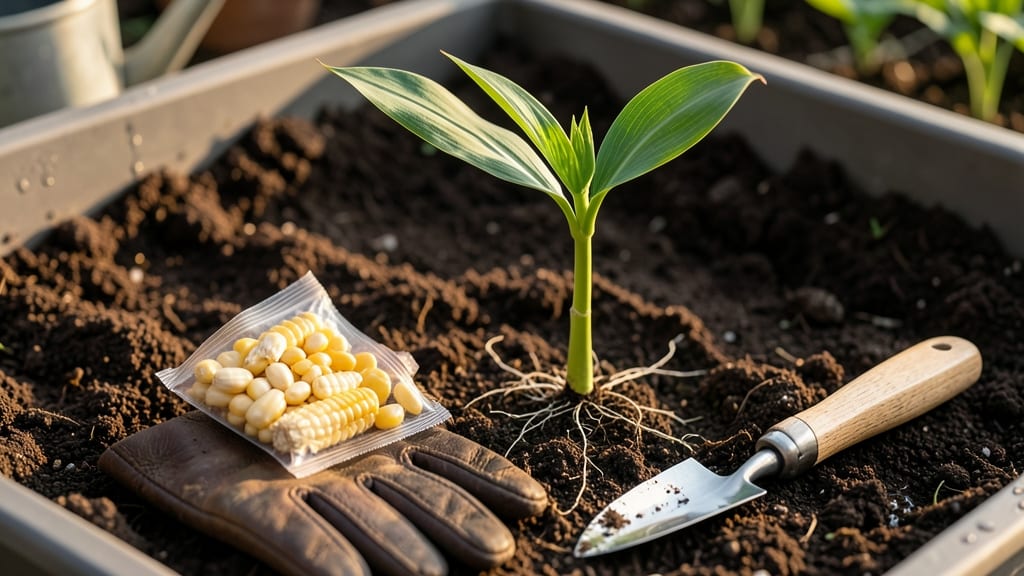
Saving the seed of maize isn’t just about next year’s harvest—it’s about breaking free from store-bought dependency and growing exactly what you want. 🌽 Last summer, I saved seeds from my best-performing ears and planted them this spring, and the difference in flavor and yield was shocking.
This method turns your garden into a self-sustaining cycle where every ear you harvest contains the potential for more.
The process starts with selecting the best ears—look for plump kernels that dry completely on the cob before shelling. Plant them in well-drained soil with full sun, about an inch deep and 12 inches apart.
Maize thrives in warmth, so wait until soil reaches at least 60°F before planting. Most varieties mature in 70-100 days, but heirlooms can take longer, so check your seed packet for specifics.
What you’ll end up with is a sturdier plant, deeper flavor, and seeds that adapt to your local climate over time. The first ears appear around mid-summer, and if you let a few mature fully, you’ll have fresh seed for next season. The best part? No waste—just pure, zero-cost continuity.
Works for backyard gardens, raised beds, or even large-scale plots. The key is patience: saving seeds means planning ahead, but the payoff in freshness and tradition is worth every extra day. Let’s get those kernels planted!
📚 In This Guide
- What you need
- Instructions
- Tips and common mistakes
- Wrapping up and next steps
What you need
- ● Mature maize cobs: 5–10 fully dried cobs (ensure kernels are plump and free of pests).
- ● Paper bags or envelopes: 5–10 brown kraft paper bags (2–3 inches wide) or seed envelopes.
- ● Sharp kitchen knife or corn husk: For gently scraping kernels off the cob.
- ● Drying tray or mesh screen: A flat surface (like a baking sheet) to spread seeds for air-drying.
- ● Small bowl or container: For collecting dried kernels (glass or ceramic works best).
- ● Labeling supplies: Pencil, masking tape, or labels + permanent marker (to note variety/year).
- ○ Food dehydrator (optional): Speeds up drying if humidity is high (set to 95°F/35°C).
- ● Fine-mesh sieve: Helps remove chaff or debris from seeds.
- ● Vacuum-seal bags: Extends seed viability for 2+ years (if stored properly).
- ● Desiccant packets: Tiny silica gel packs to absorb moisture in storage containers.
- ● Notebook: Track seed varieties, harvest dates, and germination tests!
- ● A cool, dry space (50–60°F/10–15°C) for long-term storage (e.g., basement, closet).
- ● Patience! Seeds need 2–4 weeks to dry fully before storage.
- ● Sunny weather: Ideal for outdoor drying (if humidity is low).
Step-by-Step guide to saving maize seeds for next year’s harvest
Here’s how to preserve the best traits of your corn crop—no waste, just pure potential for next season!
🌱 Step 1: Select the Best Ears for Seed Saving
Choose 4-6 of the healthiest, most productive ears from your harvest. Look for ears with full, plump kernels, no signs of disease, and uniform color. Avoid ears from hybrid varieties—they won’t breed true. I always pick from plants that produced the tallest, sturdiest stalks with the most kernels.
Harvest these ears when the kernels are fully mature and dry—usually 2-3 weeks after the silk dries and turns brown. If you harvest too early, the seeds won’t dry properly and may mold. Test a kernel by pressing your thumbnail into it—if it leaves a dent but doesn’t crush easily, it’s ready.
🌿 Step 2: Dry and Store the Ears Properly
Hang the selected ears in a well-ventilated, dry place (like a garage or basement) for 2-4 weeks until the kernels are completely dry. You’ll know they’re ready when the husks crack open easily and the kernels rattle inside. Avoid direct sunlight—it can overheat the seeds and reduce viability.
Once fully dry, remove the kernels from the cob by hand or with a small knife. Spread them out on a clean, dry surface (like a baking sheet) for 1-2 days to air-dry further. This extra step prevents moisture buildup, which can lead to mold. Store the dried kernels in a paper envelope or breathable cloth bag—plastic traps moisture and shortens shelf life.
⏰ Step 3: Test and Store for Long-Term Viability
Before storing, test a few kernels by planting them in a small pot with moist soil. If they sprout within 7-10 days at 65-75°F, your seeds are viable. This step ensures you’re not wasting time on seeds that won’t grow. I like to label my envelopes with the variety name and harvest year—next year’s garden will thank you!
Store the seeds in a cool, dark place (like a refrigerator or root cellar) where temperatures stay between 32-50°F. Under these conditions, maize seeds remain viable for 3-5 years, though germination rates drop over time. Check them annually—if they’ve lost moisture or smell musty, replace them with fresh seeds.
🌱 Step 4: Plant Your Saved Seeds Next Season
When spring arrives, soak the seeds overnight in lukewarm water to soften the outer coating and speed up germination. Plant them 1-1.5 inches deep in well-draining soil, spacing them 12-18 inches apart for optimal growth. Maize needs full sun (6+ hours daily) and consistent moisture—water deeply 2-3 times per week until the plants reach 12 inches tall.
Watch for first true leaves (not the initial seed leaves) to appear in 7-14 days. This is your cue that the seeds have sprouted successfully. Thin seedlings to the strongest 4-6 plants per row to give them room to thrive. If you notice any signs of disease or poor growth, pull those plants immediately to protect the rest.
Tips & tricks for perfect maize seed saving
These game-changing tips will help you preserve your corn's best traits without a single kernel wasted!
Selection Strategy: When choosing your 4-6 ears in Step 1, look beyond just the kernels—examine the entire plant. The best seeds come from ears that grew on the tallest, healthiest stalks with no signs of pest damage or disease. I’ve learned the hard way that even one slightly damaged ear can compromise your entire seed batch.
Drying Wisdom: During the 2-4 week drying phase in Step 2, create airflow by hanging ears near a fan (on low) or in a breezy spot. This speeds up drying while preventing mold. I’ve found that placing them near a window with indirect light helps too—just avoid direct sun, which can overheat and reduce viability. The "rattle test" (kernels should sound hollow) is your best indicator of readiness.
Storage Hack: For long-term storage in Step 3, add a small packet of silica gel or uncooked rice to your paper envelope. This extra moisture absorber extends viability beyond the 3-5 year mark. I’ve kept seeds viable for up to 7 years using this method, though germination rates naturally decline over time. Always store with the variety name and harvest year clearly labeled—next year’s planting will thank you!
Pro Tips for Seed Of Maize
- These game-changing tips will help you preserve your corn's best traits without a single kernel wasted!
- Selection Strategy: When choosing your 4-6 ears in Step 1, look beyond just the kernels—examine the entire plant.
- Drying Wisdom: During the 2-4 week drying phase in Step 2, create airflow by hanging ears near a fan (on low) or in a breezy spot.
Frequently asked questions
Got questions about saving maize seeds for next year’s harvest?
You’re in the right place! Here are some of the most common queries—and their practical answers—to help you prep like a pro.
How do I know if my maize seeds are still viable for planting?
Test viability by placing a few seeds in a glass of water. If most sink (floating means they’re old or damaged), they’re likely good to use. For extra peace of mind, plant a small batch first to check germination rates. Store seeds in a cool, dry place—like a sealed jar—to extend their shelf life for 1–2 years.
When’s the best time to harvest maize seeds for saving?
Harvest seeds when the maize kernels turn deep yellow or brown and the cob’s husk dries out completely (usually 3–4 weeks after pollination). Cut the cobs, let them dry in a well-ventilated area for 2–3 weeks, then rub the kernels off by hand. Avoid damp conditions to prevent mold!
Can I save seeds from hybrid maize varieties?
Hybrid maize seeds (like those from grocery stores) won’t grow true to type—meaning next year’s plants may be weaker or less productive. Stick to open-pollinated or heirloom varieties for reliable seeds. If you’re unsure, ask local farmers or seed banks for trusted sources!
Why are my saved maize seeds getting eaten or moldy?
Pests (like weevils) and moisture love stored seeds. Prevent issues by:
- Using airtight containers (glass jars or sealed bags with silica gel packets).
- Freezing seeds for 24 hours to kill pests before storage.
- Storing in a cool, dark place (like a basement or fridge).
What’s the easiest way to store maize seeds long-term?
For maximum freshness, dry seeds thoroughly (moisture must be <10%), then store in:
- A vacuum-sealed bag with oxygen absorbers.
- A glass jar in the fridge (lasts 2+ years).
- A freezer for up to 5 years (though germination may drop slightly).
Wrapping up and next steps
The seed of maize isn’t just the heart of your next harvest—it’s a sustainable choice that saves money, reduces waste, and strengthens your garden’s future. 🌱 By storing them properly and planning ahead, you’ll ensure vibrant plants and a bountiful yield come planting season.
Ready to grow smarter? Start by organizing your seeds today—label those packets, check storage conditions, and sketch out your planting schedule. Small steps now mean a thriving garden tomorrow!