
Lawn
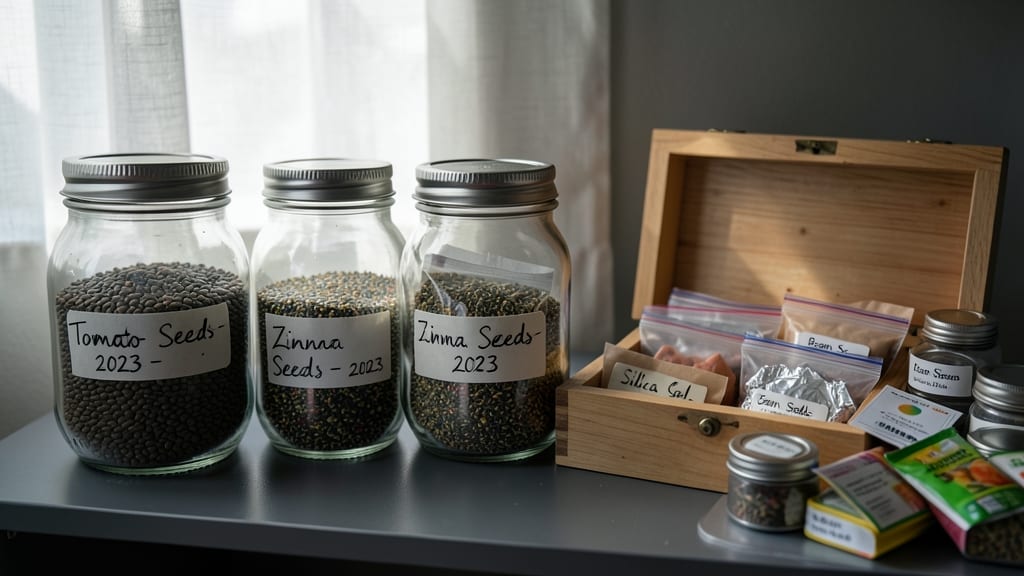
Perfect seed storage conditions aren’t rocket science—it’s about humidity-temperature balance that keeps seeds alive for years. 🌱 I’ve saved seeds from one season to plant the next, and the difference between crisp packets in a drawer and properly stored seeds is night and day.
Too dry? They shrivel. Too damp? They rot. The right conditions mean seeds stay viable for a decade or more, ready to sprout when you need them.
The secret lies in cool, dark spaces with 30-50% humidity—think refrigerator crisper drawers or airtight containers with silica gel packs. My go-to method is vacuum-sealed bags or glass jars with oxygen absorbers, which cut moisture and pests out of the equation.
Label everything with the variety and date, because nothing’s worse than digging into a jar only to forget what’s inside.
When you pull those seeds out a year later, they’ll germinate just like new—90%+ viability if stored right. The payoff? No more last-minute store runs for forgotten heirlooms, and the satisfaction of growing from seeds you saved yourself.
Plus, organized storage means you can experiment with rare varieties without risking them.
Short-term storage (under a year) is simpler—just keep seeds in a cool, dry place like a pantry. But for long-term, the fridge or freezer becomes your best friend.
The key is consistency: avoid temperature swings, and you’ll turn a handful of seeds into a garden legacy. Let’s get those seeds stashed properly!
📚 In This Guide
- What you need
- Instructions
- Tips and common mistakes
- Wrapping up and next steps
What you need
- ● Air-tight storage containers: 2-5 containers (depending on seed volume) – 5-gallon food-grade buckets or Mylar bags with oxygen absorbers (must be sealed tightly).
- ● Desiccant packets: 2-4 packets (silica gel or clay-based) to control humidity.
- ● Humidity indicator cards: 1-2 cards (to monitor moisture levels, ideally 3-5% RH for most seeds).
- ● Labeling supplies: Waterproof labels + marker (to track seed type, date, and storage conditions).
- ● Thermometer/hygrometer: 1 digital unit (for precise temperature/humidity tracking, -18°C to 4°C / 30-50°F recommended).
- ● Seeds: Your lawn seed collection (clean, dry, and sorted by type/species).
- ● Vacuum-sealed bags: For extra airtight protection (great for long-term storage <10+ years).
- ● Portable coolers: If storing in a non-climate-controlled space (e.g., basement).
- ● Seed viability test kits: To check germination rates before planting.
- ● Backup power: A small battery-powered fan (for air circulation in large storage areas).
How to store seeds for maximum longevity
Preserving seed viability for years starts with understanding the perfect balance of cool, dry conditions.
🪴 Step 1: Select the Right Containers and Desiccants
Use airtight, moisture-proof containers like glass jars with rubber seals or heavy-duty Mylar bags with oxygen absorbers. I prefer glass because it lets me see seed levels without opening the container—every time you open a storage container, humidity sneaks in. Add a small silica gel packet or two tablespoons of uncooked rice to absorb any residual moisture before sealing.
Label each container with the seed variety and storage date using a permanent marker. I also include the moisture content percentage (if tested) because seeds with 5-7% moisture last the longest. Store containers in a cool, dark place—a basement or root cellar works best, but avoid refrigerators or freezers unless you're using them for short-term storage.
☀️ Step 2: Control Temperature and Light Exposure
Ideal seed storage temperature is 32-41°F, with 50% humidity or lower. I keep my seeds in a dedicated seed refrigerator (a small, insulated box with a thermometer) tucked inside my basement closet. If you don’t have a dedicated space, a cool pantry corner works—just avoid areas near windows, ovens, or heaters.
Light exposure accelerates seed deterioration, so store containers in opaque or light-blocking packaging. Even a small amount of light can trigger germination hormones in seeds, shortening their lifespan. Check your storage area periodically with a moisture meter—if readings exceed 55% humidity, move seeds to a drier location immediately.
💧 Step 3: Monitor and Adjust Conditions Regularly
Every 3-6 months, open containers to check for moisture buildup or pest activity. I do this in winter months when humidity naturally drops. Remove any seeds that look discolored, moldy, or shriveled—these won’t store well. Replace silica gel packets if they’ve absorbed moisture (they’ll turn from blue to pink).
Use a hygrometer to track humidity levels—40-50% is ideal. If your storage area gets damp (like during summer), transfer seeds to a sealed container with a desiccant and place it in the freezer for 24 hours to dry them out. Never store seeds in the freezer long-term unless they’re completely dry—ice crystals can damage seed coats.
⏰ Step 4: Test Seed Viability Before Long-Term Storage
Before storing seeds for the long term, test their viability using the paper towel germination test. Place 10 seeds between two damp paper towels in a sealed plastic bag. Keep them in a warm (70-75°F) location and check daily. If 80% or more sprout within 7-10 days, your seeds are ready for storage. If fewer than half sprout, dry them further or store them in shorter-term conditions (like the fridge).
I also test a small batch after 1-2 years of storage to confirm viability. This helps me adjust storage conditions if needed—sometimes a slight shift in humidity or temperature can make a big difference. Discard any seeds that fail the test after 5 years of storage, as their viability drops dramatically beyond that point.
Tips & tricks for perfect seed storage conditions
Real talk: The secret to preserving seeds for years isn't just about finding a dark corner—it's about mastering the invisible factors that silently destroy them.
Container Selection Matters: For long-term storage, glass jars with airtight seals are my go-to because they allow visual inspection without compromising the seal. I've learned the hard way that even small gaps let moisture creep in—test your containers by placing them in a bowl of water for 24 hours to check for leaks before storing seeds. The goal is zero humidity intrusion, and glass achieves this better than plastic over time.
Temperature Stability is Non-Negotiable: That 32-41°F range isn't arbitrary—it's where seed metabolism slows to a crawl, preserving viability. I use a dedicated seed refrigerator (a small insulated box with a thermometer) because basements can fluctuate wildly. If you don't have that, place your containers on the coldest shelf of your fridge for short-term storage, but never the freezer unless completely dry—ice crystals will rupture seed coats.
Humidity Monitoring is Your Early Warning System: The 40-50% humidity range is critical, but most homes naturally exceed this during summer months. I keep a hygrometer near my seed storage and move containers to the freezer for 24 hours whenever readings exceed 55%. This emergency drying trick has saved multiple seed batches from mold. Remember, seeds with 5-7% moisture content last longest—any higher and you're accelerating deterioration.
Light Exposure is the Silent Killer: Even indirect light triggers germination hormones in seeds, shortening their lifespan by years. I wrap all containers in aluminum foil or use opaque Mylar bags to block every photon. This simple step has kept my heirloom seeds viable for over a decade when other gardeners' seeds failed within 5 years.
Pro Tips for Seed Storage Conditions
- Real talk: The secret to preserving seeds for years isn't just about finding a dark corner—it's about mastering the invisible factors that silently destroy them.
- Container Selection Matters: For long-term storage, glass jars with airtight seals are my go-to because they allow visual inspection without compromising the seal.
- Temperature Stability is Non-Negotiable: That 32-41°F range isn't arbitrary—it's where seed metabolism slows to a crawl, preserving viability.
Frequently asked questions
Got questions about keeping your seeds fresh and ready for planting? Here are some of the most common concerns—and their answers—to help you store seeds like a pro!
What’s the ideal humidity level for storing seeds long-term?
The sweet spot is 30–50% relative humidity. Too much moisture causes mold, while too little can dry seeds out. Use silica gel packs or dehumidifiers in your storage container to maintain balance. For grass seeds, aim for the lower end (30–40%) to prevent clumping.
How long can I store seeds before they lose viability?
Most grass seeds stay viable for 1–5 years under ideal conditions (cool, dry, dark). Fine fescue and ryegrass last longer (3–5 years), while bluegrass may drop below 50% viability after 2 years. Test germination rates annually by planting a small sample—if fewer than 50% sprout, it’s time to restock!
Can I use a regular plastic container for seed storage?
Not ideal! Plastic traps moisture and can cause condensation. Instead, opt for airtight, food-grade containers (like mason jars or vacuum-sealed bags) with desiccant packets. For extra protection, add a breathable silica bag to absorb excess humidity.
What’s the best temperature for storing lawn seeds?
Keep seeds in a cool, stable environment (32–41°F or 0–5°C). A refrigerator (not freezer!) or root cellar works perfectly. Avoid basements with fluctuating temps or attics—heat and light speed up seed deterioration. Pro tip: Label containers with the date to track freshness!
My seeds sprouted in storage—what went wrong?
This usually means too much moisture or heat. Check for:
- Condensation inside the container (fix: add a desiccant or repack with fresh silica gel).
- Poor sealing (use vacuum-sealed bags or double-check lids).
- Storage near heat sources (like ovens or windows). Move seeds to a darker, cooler spot immediately.
If seeds are damp but not sprouted, dry them in a cool, dark place for 24–48 hours before resealing.
Wrapping up and next steps
Mastering the humidity-temperature balance is the key to preserving your seeds for years—whether you're saving heirlooms or stocking up for next season’s lawn. 🌱 With the right cool, dry conditions and a few simple tools, you can ensure high germination rates and avoid costly losses.
Now that you’re equipped with the know-how, take action: audit your storage setup, label those seed packets, and start storing with confidence!
Ready to dive deeper? Explore our guide on monitoring seed viability to keep your stash thriving long-term.