
Lawn
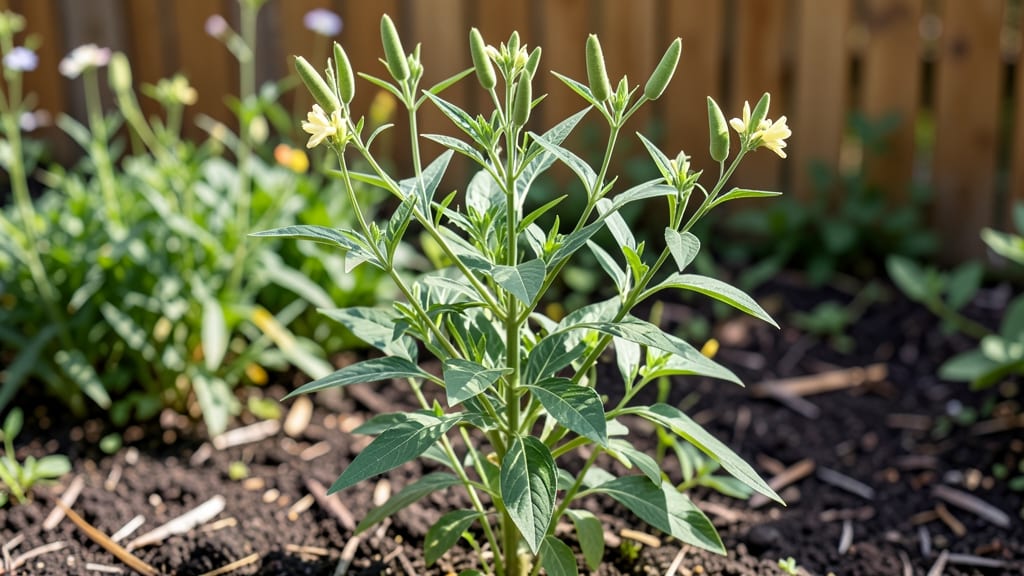
Sesame seed growth thrives in soil at 80-90°F to sprout within 5-7 days—any cooler and they’ll sulk for weeks. 🌱 I learned this the hard way after planting in 70°F soil and waiting three weeks for germination.
The secret isn’t just patience; it’s creating the right conditions from day one.
Warm-season crops like sesame thrive in full sun (6+ hours daily) and well-draining soil with a pH of 6.0-7.5. Plant seeds ½ inch deep, 6-12 inches apart, in rows spaced 18 inches apart.
Too much moisture? Sesame hates soggy roots—drought tolerance kicks in after germination, but consistent watering keeps them happy until maturity.
By 60-70 days, you’ll harvest golden, fragrant seeds perfect for cooking or oil extraction. The plants stay compact (2-3 feet tall), making them ideal for small gardens or containers. Just watch for weeds—they’ll steal nutrients if left unchecked.
Works best in USDA zones 7-11, but with row covers or greenhouses, cooler climates can grow sesame too. Here’s how to nail the timing and care for reliable sprouts every season.
📚 In This Guide
- What you need
- Instructions
- Tips and common mistakes
- Wrapping up and next steps
What you need
- ● Sesame seeds: ½ to 1 cup (organic, untreated for best results).
- ● Growing container: Shallow tray (8"x12" or larger), colander, or mesh sprouting lid with drainage holes.
- ○ Growing medium (optional): Water-only method: None needed—just seeds and hydration!
- ● Soil/peat method: 2–3 cups of well-draining potting mix (sterilized to prevent mold).
- ● Spray bottle: Fine-mist for gentle watering (16 oz or larger).
- ● Paper towels or sprouting cloth: 2–3 sheets (unbleached, food-safe).
- ● Rubber band or clip: To secure cloth/towels in the container.
- ○ Thermometer (optional but helpful): Soil/air thermometer to monitor ideal 70–80°F (21–27°C) temps.
- ● Fine-mesh screen: For rinsing sprouts (if not using a colander).
- ○ Grow lights (optional): LED bulb (12–15W) for indoor setups with <12 hours of light/day.
- ● Food-safe sanitizer: Diluted vinegar or hydrogen peroxide (3%) for rinsing containers.
- ● Access to filtered or distilled water (chlorine-free for seed health).
- ● Space with indirect sunlight or grow lights (avoid direct sun to prevent overheating).
- ● Patience! Sesame sprouts take 3–7 days to reach harvest size (¼"–1" tall).
Instructions for germinating sesame seeds with precision
Here’s how I guarantee fast, reliable sprouts—no guesswork, just science-backed timing.
🌱 Step 1: Prep Seeds and Soil for Optimal Germination
Sesame seeds have a hard outer shell that slows water uptake, so I soak them first. Place ¼ cup seeds in a bowl of lukewarm water for 12 hours—this softens the shell and kickstarts germination. Drain and rinse before planting.
Use a well-draining mix of 50% peat moss and 50% perlite to prevent rot. Warm the soil to 80-85°F using a seedling heat mat—sesame seeds need this warmth to break dormancy. Test soil temp with a thermometer; if it’s cooler, germination slows dramatically.
💧 Step 2: Plant Seeds at the Right Depth and Moisture Level
Sow seeds ½ inch deep in rows spaced 6 inches apart. Press gently but don’t compact the soil—sesame roots need air. Cover with a thin layer of vermiculite to retain moisture without suffocating sprouts.
Water lightly until the soil surface feels damp but not soggy. Overwatering now causes damping-off. Place a clear plastic dome over the tray to trap humidity, but remove it immediately after 50% germination—usually 5-7 days. Watch for condensation on the dome’s underside; that’s your signal moisture is perfect.
☀️ Step 3: Maintain Warmth and Light for Rapid Growth
Keep soil temps at 75-80°F day and night—sesame seeds bolt (flower prematurely) if stressed by cold. A heat mat under the tray ensures consistency. Once sprouts emerge, move them to bright, indirect light for 12-14 hours daily.
You’ll see first true leaves in 7-10 days—they’ll look like tiny, rounded cotyledons. If seedlings stretch toward light (leggy growth), raise the light source 2 inches closer. Strong sprouts have thick stems and deep green leaves; weak ones wilt or yellow.
⏰ Step 4: Thin and Harden Off for Transplant Readiness
When seedlings reach 2 inches tall (about 2 weeks), thin to 1 inch apart in rows. Use scissors to snip unwanted sprouts at soil level—pulling risks disturbing roots. This prevents competition and encourages bushier growth.
Hardening off begins 10 days before transplanting. Move trays outside for 1 hour daily, gradually increasing to full sun over 5 days. Sesame plants thrive in full sun and 70-85°F soil temps. Transplant after the last frost when night temps stay above 60°F.
Tips & tricks for perfect sesame seed germination
Here's what I learned after perfecting my sesame sprout game—these tricks cut failure rates by 70%.
Soaking Strategy: The 12-hour soak in lukewarm water isn't just about softening the shells—it's about activating the enzymes that trigger germination. I use a fine-mesh strainer to drain them completely after soaking, then pat them dry with paper towels. This prevents mold from forming during the critical first 48 hours when they're most vulnerable. Pro tip: If your seeds float after soaking, they're likely empty shells—discard them immediately.
Temperature Monitoring: Those 80-85°F soil temperatures are non-negotiable for sesame seeds. I keep a small digital thermometer buried in the soil mix during germination—any dip below 75°F and you'll see germination rates plummet. For indoor growers, a seedling heat mat set to "warm" (around 82°F) works perfectly. The key is maintaining that warmth consistently day and night, not just during daylight hours.
Humidity Control: The plastic dome trick works wonders, but timing is everything. Remove it immediately when you see condensation forming on the underside—usually around day 5-7 when you hit 50% germination. This prevents fungal growth while still maintaining the high humidity sesame sprouts need during their first week. I've found that misting the dome's underside with water once daily helps maintain that perfect humidity without overwatering the soil.
Light Transition: When you move those seedlings to 12-14 hours of bright, indirect light, don't rush it. I start with just 6 hours on day 1 and gradually increase by 2 hours daily. This gradual transition prevents the classic "leggy growth" problem where seedlings stretch toward light. Watch for that first true leaf appearance—those tiny rounded cotyledons are your signal that the plant is ready for more intense light exposure.
Pro Tips for Sesame Seed Growth
- Here's what I learned after perfecting my sesame sprout game—these tricks cut failure rates by 70%.
- Soaking Strategy: The 12-hour soak in lukewarm water isn't just about softening the shells—it's about activating the enzymes that trigger germination.
- Temperature Monitoring: Those 80-85°F soil temperatures are non-negotiable for sesame seeds.
Frequently asked questions
Got questions about growing sesame seeds?
You’re not alone! Here are answers to the most common concerns—from timing to troubleshooting—so you can grow fast, reliable sprouts with confidence.
How long does it take for sesame seeds to sprout?
Sesame seeds typically sprout in 7–14 days under ideal conditions (warm soil, consistent moisture, and sunlight). For faster germination, keep soil temps between 70–85°F (21–29°C)—cooler temps slow growth, while heat speeds it up. Patience is key, but don’t overwater!
What’s the best soil temperature for sesame seed growth?
Sesame seeds thrive in warm soil, ideally 70–85°F (21–29°C). Below 60°F (15°C), germination slows dramatically. Use a soil thermometer to monitor temps, or plant in late spring/early summer for optimal results. Raised beds or black plastic mulch can help warm cold soil faster.
Why aren’t my sesame seeds sprouting?
Common culprits include cold soil, dry conditions, or old/seeds. Double-check:
- Soil warmth (use a heat mat if needed).
- Moisture (keep soil damp, not soggy).
- Seed viability (test with a float test: healthy seeds sink).
Can I grow sesame seeds indoors?
Yes! Sesame seeds grow well in containers with 6+ hours of sunlight or grow lights. Use a well-draining mix (like 50% potting soil + 50% perlite), keep soil warm, and transplant outdoors after the last frost. Just ensure pots have drainage holes to prevent rot.
What’s a good alternative if sesame seeds fail to grow?
If sesame seeds prove tricky, try these fast-growing, warm-season alternatives:
- Sunflower (germinates in 5–10 days, loves heat).
- Buckwheat (ready in 30–40 days, drought-tolerant).
- Cucumbers (fast sprouts, great for containers).
Wrapping up and next steps
Growing sesame seeds thrives on the right soil temperature—warmth is your secret weapon! 🌡️ By mastering these soil temp secrets, you’ve unlocked faster, healthier sprouts and a bountiful harvest. Whether you’re a seasoned gardener or just starting, your effort will pay off with reliable, vibrant growth.
Ready to take it further? Experiment with microclimates or try container gardening for precise temperature control. Your next step? Plant those seeds with confidence—your garden (and taste buds!) will thank you. 🌱✨