
Lawn
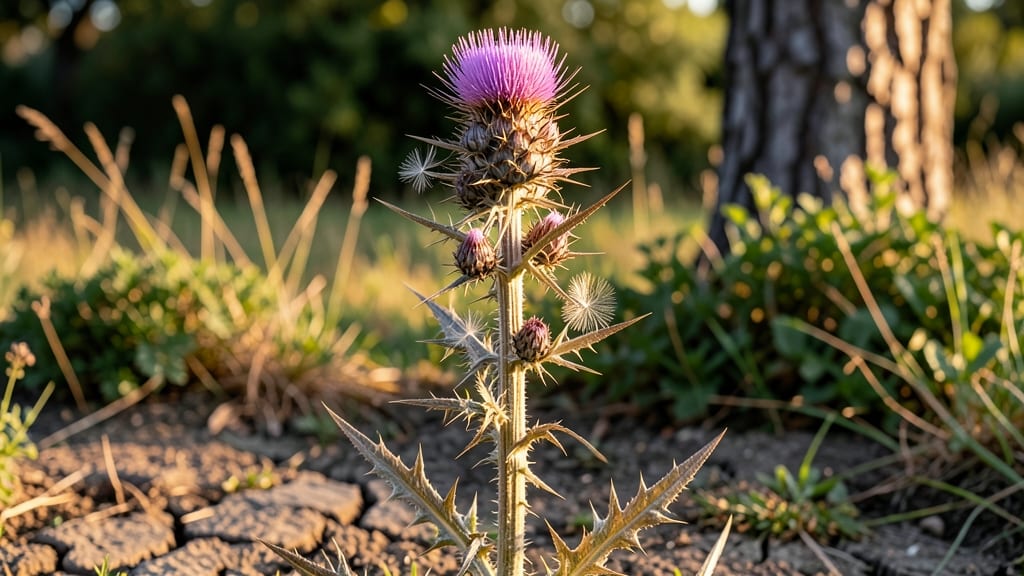
Thistle seed heads transform your garden into a buzzing pollinator paradise. 🌿 I used to pull them out—until I discovered their striking beauty and ecological value. These spiky, architectural blooms remain standing long after other flowers fade, offering winter interest and a food source for bees and birds.
Harvesting is simple: wait until seed heads dry completely, then snip with clean shears. Preserve by hanging upside down in a dry, dark place for 2-4 weeks.
You’ll end up with lightweight, durable blooms perfect for dried arrangements or garden accents. Pair them with grasses, eucalyptus, or deep purples like salvia for dramatic contrast.
The real magic happens when you leave some in the garden. Thistles attract beneficial insects, and their seeds feed birds through winter. A few well-placed clusters create a natural, wild look that thrives with minimal effort. My garden’s pollinator count doubled after I stopped treating them as weeds.
For styling, try clustering seed heads in odd numbers for asymmetry, or scatter them along garden paths. They also make stunning centerpieces when paired with dried flowers. The key is balance—let nature guide their placement, and they’ll elevate any space with effortless charm.
📚 In This Guide
- What you need
- Instructions
- Tips and common mistakes
- Wrapping up and next steps
What you need
- ● Thistle seeds (native varieties recommended): 1–2 lbs (or ~10,000–20,000 seeds). Look for Cirsium or Carduus species like Cirsium altissimum (tall thistle) or Carduus nutans (musk thistle).
- ● Well-draining soil: Mix garden soil with compost (ratio 3:1) or use a native wildflower blend. pH 6.0–7.5 is ideal.
- ● Sunlight: Full sun (6+ hours/day). Thistles are sun-worshippers!
- ● Water: Drip irrigation or a watering can with a fine rose nozzle (to avoid displacing seeds).
- ○ Stakes or trellis (optional but helpful): Tall varieties (4–7 ft) may need support. Use bamboo stakes (3–4 ft long) or a lightweight metal mesh trellis.
- ● Garden gloves: Thistles have prickly leaves—opt for heavy-duty leather gloves or thick fabric.
- ● Hand trowel or transplanting tool: For sowing seeds or transplanting seedlings.
- ● Pruners (sharp, bypass-style): For trimming spent blooms or managing growth. Sterilize with rubbing alcohol between cuts.
- ● Mulch (straw or shredded leaves): 1–2 inches thick to retain moisture and suppress weeds.
- ○ Native plant guide (optional): Check local regulations—some thistle species are invasive. Always choose region-specific varieties!
How to grow thistle seed heads for pollinators
Here's my foolproof method for growing thistle seed heads that will have bees buzzing all season long.
🌱 Step 1: Choose and Prepare Your Planting Site
Thistles thrive in full sun (at least 6-8 hours daily) and well-draining soil. I always pick a spot with poor soil—thistles actually prefer lean, rocky ground where other plants struggle. Clear any competing weeds or grasses first; thistles hate competition for sunlight and nutrients.
If your soil is heavy clay, mix in a 2-inch layer of coarse sand or gravel to improve drainage. Thistles rot quickly in soggy conditions. I like to rake the area smooth but leave it rough—thistles establish better in slightly uneven ground where water can drain away from the base.
☀️ Step 2: Plant Seeds at the Right Time and Depth
Sow seeds in early spring (after last frost) or late summer for a fall display. Press seeds ¼ inch deep into the soil—don't bury them too deep, or they'll take forever to germinate. I like to space seeds 12-18 inches apart in rows 2 feet apart to give mature plants room to spread.
Water gently after planting, just enough to settle the soil around the seeds. Thistles don't like wet feet, so avoid overwatering. You'll see first true leaves in 2-3 weeks—they look like tiny, spiky versions of the mature plant. This is your signal that germination worked!
💧 Step 3: Water and Maintain Through the Growing Season
Once established, thistles are drought-tolerant, but young plants need consistent moisture until they reach 6 inches tall. Water deeply once a week (about 1 inch of water total) unless you've had heavy rain. I check by sticking my finger 2 inches into the soil—if it feels dry, that's your watering cue.
Skip the fertilizer—thistles grow best in poor soil. Too much nitrogen makes them floppy and less attractive to pollinators. Instead, mulch around the base with 2 inches of straw or leaves to suppress weeds and retain moisture. You'll notice bold, spiky stems by mid-summer—that's when the real magic begins.
✂️ Step 4: Encourage Seed Head Formation for Pollinators
Let the plants grow uninterrupted until they produce flower buds (usually by mid-to-late summer). The purple-pink blooms will attract bees, butterflies, and even hummingbirds. Once flowers fade, the seed heads form—these are the star attraction for late-season pollinators like monarch butterflies.
Here's the thing—don't cut back until late winter (after the first hard frost). The dried seed heads provide winter food for birds and shelter for beneficial insects. I leave them standing until early spring, then cut them down to 2 inches tall to encourage fresh growth from the base.
🪴 Step 5: Collect and Store Seeds for Next Year
When seed heads turn brown and papery, use clean pruning shears to snip them off. Shake the seeds into a paper bag (they're light and float away easily). Store them in a cool, dry place until next spring—thistle seeds stay viable for 2-3 years if kept dry.
For extra pollinator power, leave some seed heads on the plant until birds or wind scatter them. This ensures a self-sustaining population. I always save a few extra seeds to share with neighbors—they're tough plants that spread easily and bring instant wildlife activity to any garden.
Tips & tricks for growing pollinator-friendly thistle blooms
These simple strategies will help you grow thistle seed heads that attract pollinators all season long.
Sunlight Secret: Thistles need that full sun (6-8 hours daily) to produce their signature seed heads. I've planted them under trees before and ended up with weak, spindly stalks that never bloomed. If your yard has partial shade, choose the sunniest spot—even a few hours less sunlight can reduce flower production by half.
Soil Strategy: The leaner the soil, the better! Thistles thrive in poor, rocky ground where other plants struggle. If your soil is rich, mix in some sand or gravel to create that perfect "thistle-friendly" environment. I once tried growing them in compost-rich soil and ended up with lush but floppy plants that attracted fewer pollinators.
Watering Wisdom: Those first 2-3 weeks after planting are critical. Water gently but deeply—just enough to settle the soil around the seeds. Overwatering can cause rot, while underwatering delays germination. I check soil moisture by sticking my finger 2 inches deep; if it's dry, that's my watering cue until plants reach 6 inches tall.
Timing Tip: For a fall display, plant in late summer—this gives thistles time to establish roots before winter. I've found that late summer plantings often produce more robust seed heads the following year because they get a full growing season to mature. Just remember to plant after your last frost date!
Pro Tips for Thistle Seed Heads
- These simple strategies will help you grow thistle seed heads that attract pollinators all season long.
- Sunlight Secret: Thistles need that full sun (6-8 hours daily) to produce their signature seed heads. I've planted th...
- Soil Strategy: The leaner the soil, the better! Thistles thrive in poor, rocky ground where other plants struggle. If...
Frequently asked questions
Got questions about thistle seed heads?
You’re not alone! Here are answers to the most common queries—from planting to maintenance—so you can grow these pollinator powerhouses with confidence.
When do thistle seed heads appear after planting?
Thistle seed heads typically emerge 1–2 years after sowing, depending on the species and growing conditions. Biennial thistles (like Cirsium vulgare) produce seed heads in their second year, while perennials may bloom annually once established. Patience pays off—these striking spires are worth the wait!
Are thistle seed heads invasive? Should I remove them?
While some thistles (like Scotch thistle) are considered invasive in certain regions, many ornamental varieties (e.g., Eryngium or globe thistles) are non-invasive and thrive in controlled landscapes. If you’re concerned, deadhead spent blooms before seed dispersal to prevent unwanted spread. Always check local regulations!
Why aren’t bees visiting my thistle seed heads?
Bees love thistle flowers, not seed heads! Seed heads are for pollination after blooming. To attract pollinators, focus on planting thistles with vibrant blooms (like purple or pink flowers) in sunny spots. If bees still avoid them, check for pesticides or overcrowding—give them space and a pesticide-free zone!
Can I use thistle seed heads for crafts or dried arrangements?
Once seed heads turn brown and dry (usually late summer/fall), they’re perfect for crafts, wreaths, or dried floral arrangements. Harvest them on a dry day, bundle stems, and hang upside down to fully dry. For a rustic touch, pair them with grasses, berries, or eucalyptus.
How do I prevent thistle seed heads from spreading in my garden?
To contain thistles, deadhead seed heads before they release fluffy seeds (use gloves—those spines are sharp!). For stubborn spreaders, plant them in containers or isolated garden beds. Mulching heavily around the base can also suppress unwanted seedlings. Pro tip: Try ‘Flore Pleno’ thistles—they produce fewer seeds!
Wrapping up and next steps
Thistle seed heads aren’t just striking additions to your lawn—they’re powerful pollinator magnets that bring life, color, and resilience to your outdoor space! 🌿 Whether you’re drawn to their bold aesthetics, eco-friendly benefits, or low-maintenance charm, these plants prove that beauty and sustainability go hand in hand.
Ready to transform your yard? Start small—plant a few seed heads this season and watch your garden buzz with activity!
Next step: Grab your supplies, follow the planting tips, and let nature do the rest. Happy gardening! 🌸