
Orchid Care
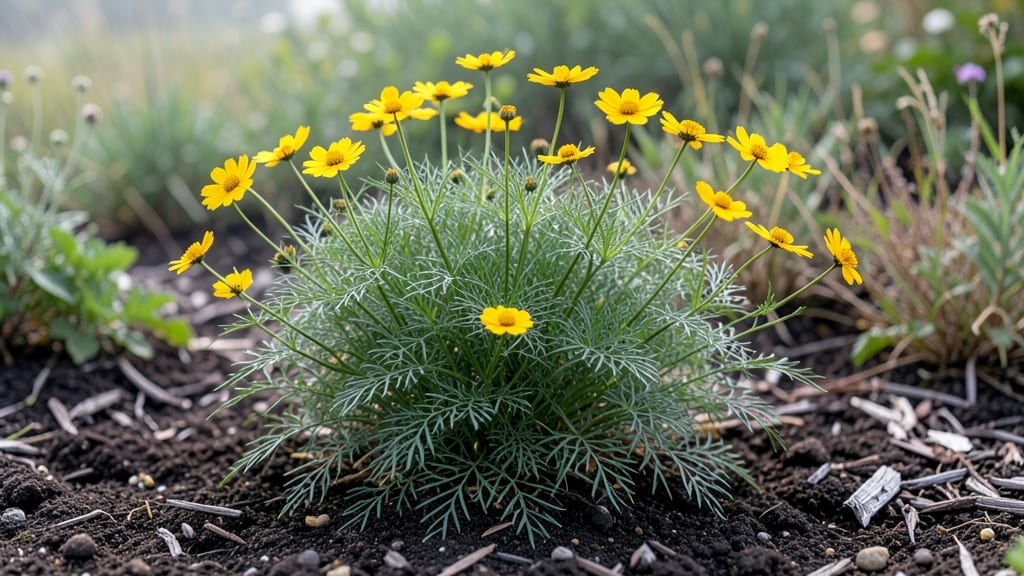
Tickseed coreopsis care starts with sunlight—these perennials practically glow when baked under full sun. 🌞 I’ve grown them in everything from rocky slopes to hot city sidewalks, and they never complain, just send up those cheerful yellow blooms from early summer until frost.
The real magic is in the soil: they’re happy in poor, dry soil, but give them well-draining mix and they’ll reward you with foot-tall stems packed with daisy-like flowers that butterflies can’t resist. Watering?
Forget it—once established, they’ll laugh at droughts, though a deep drink every two weeks keeps them looking their best. Pruning is where most people mess up: cut back the old stems in early spring, but leave the fresh growth until after blooms fade. This keeps them compact and flowering longer.
The secret to their longevity? Minimal fuss—they self-seed like crazy, so you’ll get free plants for years. For advanced gardeners, try deadheading spent blooms to extend the season or mix varieties for height and color contrasts.
Even my black thumb can’t kill these—just give them sun and space, and they’ll handle the rest.
📚 In This Guide
- What you need
- Instructions
- Tips and common mistakes
- Wrapping up and next steps
What you need
- ● Tickseed Coreopsis Plants: 1–3 mature plants (or seeds if starting from scratch). Choose varieties like 'Moonbeam' or 'Zagreb' for vibrant blooms.
- ● Well-Draining Soil: 1–2 cubic yards of garden loam mixed with compost (or 50% potting mix + 50% perlite for containers). Aim for a pH of 6.0–7.0.
- ● Sunny Location: A spot with 6+ hours of direct sunlight daily (partial shade tolerates only in scorching climates).
- ● Watering Can or Hose: With a gentle spray nozzle (1–2 gallons per plant during dry spells).
- ○ Fertilizer (Optional but Helpful): Balanced 10-10-10 granular fertilizer (1 tbsp per plant, spring/early summer).
- ● Slow-release organic fertilizer (e.g., bone meal or compost tea) for nutrient-dense soil.
- ● Garden Gloves: A pair to protect hands from thorns (some varieties have them!).
- ● Trowel or Spade: For digging holes 2–3 times wider than the root ball.
- ● Pruning Shears: Sharp, sterilized shears for deadheading (after blooms fade) and shaping.
- ○ Mulch (Optional): 2–3 inches of pine straw or shredded bark to retain moisture and suppress weeds.
- ● Container (If Potted): A 5–7 gallon pot with drainage holes for each plant.
- ● 💡 Test your soil first—coreopsis hates soggy roots! Amend heavy clay with sand.
- ● ✨ Avoid overwatering; these drought-tolerant stars prefer dry soil between waterings.
- ● 🎯 Deadhead spent blooms to encourage nonstop summer-to-fall flowers!
Step-by-step instructions for growing and maintaining tickseed coreopsis
Here’s how to keep these cheerful perennials blooming year after year with almost no effort.
🌱 Step 1: Plant in Full Sun and Well-Drained Soil
Coreopsis thrives in full sun—at least 6-8 hours daily. Choose a spot where it gets morning sun and afternoon shade if your summers are scorching. The soil must drain well; these plants hate soggy roots. If your garden soil is heavy clay, mix in 2-3 inches of compost or sand to improve drainage.
Dig a hole twice as wide as the root ball but only as deep. Spread the roots gently—don’t pack the soil too tight. Water deeply right after planting to settle the soil around the roots. You’ll know it’s right when the top inch of soil feels damp but not muddy.
💧 Step 2: Water Deeply but Infrequently
Once established, coreopsis is drought-tolerant, but young plants need consistent moisture. Water 1-2 times weekly in the first growing season, giving 1 inch of water total. Let the top 2 inches of soil dry out between waterings—this encourages deep root growth. Overwatering leads to weak stems and fewer blooms.
After the first year, you’ll rarely need to water unless your area has extended dry spells. Mulch around the base with 2 inches of organic mulch to retain moisture and keep roots cool. Watch for wilted leaves—they signal it’s time to water again.
☀️ Step 3: Deadhead Spent Blooms for Longer Flowering
Pinch off faded blooms with your fingers or snip them with clean pruners just above the next set of leaves. This redirects the plant’s energy from seed production to creating new flowers. You’ll see a second flush of blooms in late summer if you keep deadheading throughout the season.
Don’t skip this step—neglecting deadheading can turn your coreopsis into a seed-producing machine instead of a flowering powerhouse. I like to do this on a weekly basis during peak bloom, usually from early summer through early fall.
✂️ Step 4: Prune Back in Early Spring and Late Fall
In early spring, cut back the previous year’s stems by one-third to encourage fresh, vigorous growth. Use sharp shears and make clean cuts just above a set of leaves or buds. This also removes any dead or damaged stems from winter.
In late fall, after the first hard frost, cut back the stems to 3-4 inches tall. This keeps the plant tidy and prevents disease from overwintering in old stems. You’ll notice new growth emerging from the base in early spring—this is your signal that the plant is ready to bloom again.
🪴 Step 5: Divide Every 3-4 Years to Keep Plants Healthy
Coreopsis forms clumps over time, and dividing them every 3-4 years keeps them blooming strongly. Dig up the entire plant in early spring or after flowering, then separate the clump into smaller sections with a clean knife. Each section should have at least 3-5 stems.
Replant the divisions immediately in prepared soil, water deeply, and mulch well. You’ll often get more blooms after dividing because the plant can focus its energy on new growth rather than maintaining a crowded center.
Tips & tricks for perfect tickseed coreopsis care
These simple strategies will help your sun-loving perennials flourish with almost no effort—once you know the secrets.
Site Selection: While coreopsis loves full sun, I’ve found that morning sun with afternoon shade in scorching climates actually extends bloom time. Watch for leaves turning yellow or crispy edges—that’s your plant’s way of saying "it’s too hot." If you’re in a hot zone, consider planting near taller perennials that provide natural shade during peak afternoon heat.
Watering Wisdom: The "1-2 times weekly" guideline works best when you check soil moisture first. Stick your finger 2 inches deep—if it feels dry, water until moisture reaches 6 inches down. Overwatering is the #1 mistake I see, and it leads to weak stems that flop over. Mulching with 2 inches of organic material helps retain that perfect moisture balance without the guesswork.
Deadheading Done Right: When instructions say to deadhead weekly during peak bloom, I recommend setting a phone reminder for every Sunday morning. This simple habit keeps your plants flowering continuously from early summer through fall. Pro tip: Use clean pruners for larger blooms to avoid spreading disease between stems.
Pruning Precision: That "one-third" spring prune might sound arbitrary, but it’s actually a perfect balance. Cutting back too much removes next year’s flower buds, while leaving too much encourages leggy growth. I like to make my cuts just above a set of healthy leaves—this gives the plant a clear signal to start fresh growth from that spot.
Pro Tips for Tickseed Coreopsis Care
- These simple strategies will help your sun-loving perennials flourish with almost no effort—once you know the secrets.
- Site Selection: While coreopsis loves full sun, I’ve found that morning sun with afternoon shade in scorching climates actually extends bloom time.
- Watering Wisdom: The "1-2 times weekly" guideline works best when you check soil moisture first.
Frequently asked questions
about tickseed coreopsis care—because even sun-loving perennials need a little extra love! Here’s what gardeners ask most:How often should I water tickseed coreopsis?
Once established (after the first year), tickseed coreopsis is drought-tolerant! Water deeply 1-2 times per week during the first growing season, then reduce to every 2-3 weeks unless your region experiences extreme heat. Overwatering can lead to root rot—so let the soil dry out between waterings.
When is the best time to prune tickseed coreopsis?
Prune in early spring (before new growth appears) or late fall to remove dead or damaged stems. For a neater look, you can also trim spent blooms throughout the season—this encourages more flowers! Avoid heavy pruning in summer, as it may stress the plant.
Can tickseed coreopsis grow in containers?
Coreopsis thrives in containers with well-draining soil and a minimum 12-inch pot. Choose a spot with 6+ hours of sunlight and water more frequently than in-ground plants (containers dry out faster). Just ensure the pot has drainage holes to prevent soggy roots.
What pests should I watch for with tickseed coreopsis?
Coreopsis is generally pest-resistant, but keep an eye out for aphids, Japanese beetles, or spider mites. Spray off pests with water or use insecticidal soap if needed. For beetles, handpick them early in the day when they’re sluggish.
Why isn’t my tickseed coreopsis blooming?
Lack of blooms often means too much shade or over-fertilizing (especially with high-nitrogen fertilizer). Ensure it gets full sun (6+ hours/day) and fertilize lightly in spring with a balanced, low-nitrogen formula. Deadheading spent flowers also encourages more blooms!
Wrapping up and next steps
Caring for tickseed coreopsis is a breeze—these sun-loving perennials reward you with vibrant blooms and easy maintenance! With the right soil, sunlight, and occasional pruning, they’ll thrive year after year with minimal effort.
Now that you’re armed with expert tips, why not plant one (or a dozen!) in your garden and enjoy a low-fuss, high-impact addition to your outdoor space? 🌸
Ready to dive in? Pick a sunny spot, grab your seeds or seedlings, and get growing! Happy gardening! 🌞