Planting
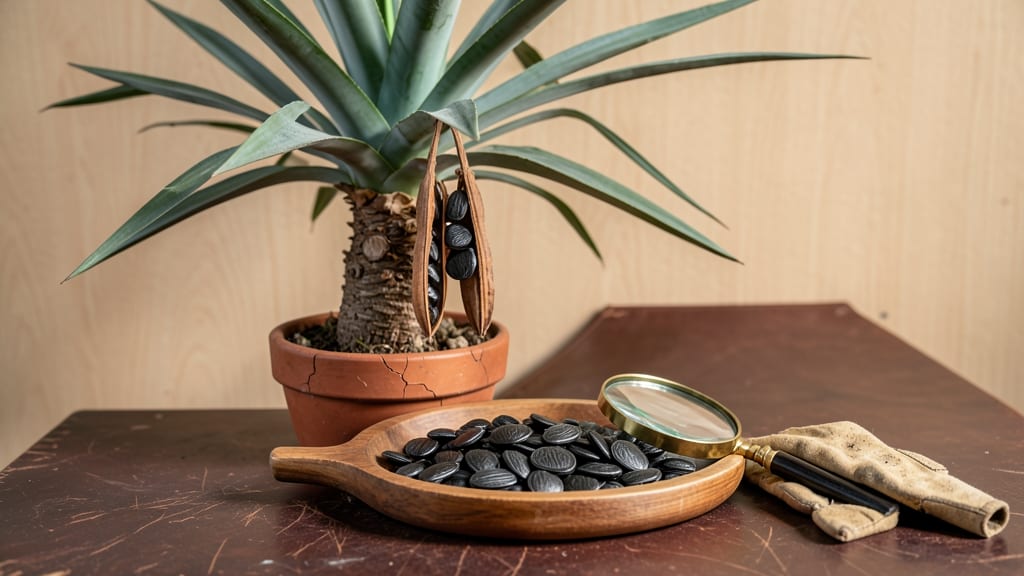
Yucca plant seed pods are nature’s way of growing new plants—but only if you harvest them right. 🌱 The moment those dry, brown pods appear, you’ve got a 3-4 week window to collect seeds before they scatter or rot.
I’ve learned the hard way that twisting pods off too early ruins the seeds inside, while waiting too long means they’ll just fall to the ground and disappear.
You’ll need just a few simple tools: sharp pruning shears, a paper bag for collecting pods, and a warm, sunny spot for drying seeds. Once you’ve got your pods, split them open carefully—never force them open, or you’ll crush the tiny black seeds inside.
These seeds are tough but need perfect conditions to germinate: bright light, warm soil, and patience (they can take 2-3 months to sprout).
What you’ll end up with are strong, slow-growing seedlings that’ll reward you with sword-like foliage in just a few years. Unlike offsets, which give you instant plants, seeds let you experiment with different yucca varieties.
The trade-off? Seeds take longer to mature, so if you want quick results, offsets are the way to go—but there’s something satisfying about growing a yucca from scratch.
Here’s the twist: yucca seeds don’t store well, so plant them fresh or risk losing viability. If you’re in a cooler climate, start them indoors under grow lights 8-10 weeks before your last frost.
For warmer areas, direct-sow in early spring. Either way, keep the soil barely moist—never soggy—and watch for those first tiny leaves pushing through the dirt.
📚 In This Guide
- What you need
- Instructions
- Tips and common mistakes
- Wrapping up and next steps
What you need
- ● Mature yucca plant (preferably 3+ years old, with fully developed seed pods—look for brown, dried pods!
- ● Pruning shears or sharp knife (sterilized with rubbing alcohol to prevent disease)
- ● Paper bags or breathable mesh sacks (1–2 per pod, labeled with the harvest date)
- ● Plastic gloves (to protect hands from sap and sharp edges)
- ● Small bowl or container (for rinsing seeds if needed)
- ● Water spray bottle (for gentle cleaning)
- ● Patience! (Seeds need time to dry—rushing can reduce viability.)
- ● Seed tray or shallow container (for stratifying seeds if cold-treatment is desired)
- ● Fine-mesh strainer (to separate seeds from pulp easily)
- ● Labeling tags (for tracking pod sources if experimenting with varieties)
- ● Humidity dome or plastic wrap (to create a mini greenhouse for germination later)
- ● Notebook (to log pod maturity, harvest dates, and seedling progress)
Twist-free harvesting of yucca plant seed pods for next year's growth
Here's how to collect and store yucca seeds without damaging the pods or future plants.
🌱 Step 1: Identify and Wait for Mature Seed Pods
Yucca seed pods mature in late summer or early fall, turning from green to a tan or brown color. Look for pods that feel firm to the touch and have dried out completely—this usually takes 4-6 weeks after flowering. If you harvest too early, the seeds won't be viable.
Gently twist the pod at its base to check for readiness. If it resists, wait a few more days. The pod should separate cleanly from the stem, revealing a dry, papery texture. This is your signal that the seeds inside are fully developed and ready for collection.
✂️ Step 2: Harvest and Open the Pods Carefully
Use clean, sharp pruning shears to snip the pod from the stem, leaving a small stem attachment. Avoid crushing the pod—this can damage the seeds inside. Place the pods in a paper bag to catch any seeds that might fall out during handling.
Once indoors, lay the pods on a clean surface and gently squeeze them to release the seeds. Yucca seeds are small and black, often surrounded by fibrous material. Don’t worry if some seeds stick to the pod—simply brush them off with your fingers or a soft brush. This step is best done outdoors or over a tray to minimize mess.
💧 Step 3: Clean and Dry the Seeds Thoroughly
Spread the seeds and fibrous material on a paper towel or clean sheet of newspaper. Let them air-dry in a warm, dry place for 3-5 days, stirring them occasionally to ensure even drying. Moisture trapped in the seeds can cause mold or rot, so thorough drying is critical.
Once fully dry, the seeds will feel light and brittle. Use a fine mesh strainer or sifter to separate them from the fibrous material. Store the clean seeds in a small, airtight container like a glass jar or envelope. Label it with the date and yucca variety if known.
🪴 Step 4: Store Seeds for Optimal Germination Next Year
Place the sealed container in a cool, dark place like a refrigerator or basement, where temperatures stay between 35-45°F. Yucca seeds can remain viable for 1-2 years under these conditions, but germination rates drop over time, so use the oldest seeds first.
When ready to plant, remove the seeds from storage and let them sit at room temperature for 24 hours before sowing. This adjustment helps prevent shock and encourages even germination. Yucca seeds germinate best in well-draining soil and warm conditions, so plan to plant them in spring after the last frost.
⏰ Step 5: Prepare for Spring Planting
In early spring, fill small pots with a mix of cactus or succulent soil and a little perlite for drainage. Plant the seeds ¼ inch deep and water lightly, keeping the soil moist but not soggy. Place the pots in a warm, sunny spot or under grow lights to encourage germination.
Yucca seedlings can take 2-4 weeks to sprout, so be patient. Once they emerge, reduce watering slightly and let the soil dry out between waterings. Harden off the seedlings before transplanting them outdoors in late spring, when temperatures consistently stay above 50°F.
Tips & tricks for perfect yucca seed pod harvesting
Here's what I learned after harvesting my first batch—these little details make all the difference between viable seeds and wasted effort.
Timing is Everything: The 4-6 week maturation period is non-negotiable for seed viability. I learned this the hard way—harvesting too early gave me shriveled seeds that wouldn't germinate. Mark your calendar when you spot flowers, then count those weeks precisely. A simple garden journal with dates can save you from this mistake.
Gentle Handling Matters: When you're ready to open the pods in Step 2, work outdoors or over a tray—those tiny black seeds fly everywhere! I lost about 20% of my first harvest to wind before I learned this. A paper bag works, but a shallow tray with sides catches every seed. And never squeeze too hard—the fibrous material protects the seeds, but over-pressing can crush them.
Drying Strategy: Those 3-5 days of drying aren't optional. I tried rushing the process once and ended up with moldy seeds. Place your drying tray near a fan on low setting to create gentle airflow without disturbing the seeds. Stir them twice daily to prevent clumping. Once fully dry, they should rattle in your container like tiny marbles.
Storage Wisdom: The 35-45°F temperature range is crucial for long-term viability. I keep my seed jars in the crisper drawer of my fridge—it's consistently around 38°F. Label each jar with the date and variety (if known) using a permanent marker. Trust me, you'll forget which seeds you stored when!
Pro Tips for Yucca Plant Seed Pods
- Here's what I learned after harvesting my first batch—these little details make all the difference between viable seeds and wasted effort.
- Timing is Everything: The 4-6 week maturation period is non-negotiable for seed viability.
- Gentle Handling Matters: When you're ready to open the pods in Step 2, work outdoors or over a tray—those tiny black seeds fly everywhere!
Frequently asked questions
Got questions about harvesting and handling yucca plant seed pods?
You’re not alone! Here are some of the most common queries—plus straightforward answers to help you avoid frustration and maximize success.
When do yucca seed pods mature enough to harvest?
Yucca seed pods typically mature in late summer to early fall (August–October, depending on your climate). Look for pods that are dry, brown, and slightly papery—they’ll split open naturally when fully ripe. Harvest them before they release seeds on their own to prevent waste.
How long do harvested yucca seed pods stay viable?
Once harvested, store seed pods in a cool, dry place (like a paper bag or envelope) for up to 6 months. Seeds lose viability quickly, so plant them as soon as possible for the best germination rates. Avoid refrigeration—humidity is the real enemy!
Can I propagate yucca plants from seed pods instead of offsets?
While offsets (pups) are faster, seeds offer genetic diversity. Scoop seeds from dried pods, rinse off the fibrous coating, and plant them 1/4-inch deep in well-draining soil. Germination can take 2–4 weeks—patience is key!
What do I do if my seed pods rot or mold before drying?
Overly humid conditions or rain can cause rot. If pods mold, discard them immediately—they won’t produce viable seeds. To prevent this, harvest pods early (when slightly greenish-brown) and let them dry indoors. Ensure good airflow around the plant to avoid future issues.
Are yucca seed pods edible or useful for anything else?
While the seeds themselves aren’t edible, some cultures use yucca roots (not pods) for soap or fiber. The pods are primarily for propagation. That said, their dried, twisted forms make unique art or dried floral arrangements—just remove seeds first!
Wrapping up and next steps
Harvesting yucca plant seed pods is a rewarding way to ensure a fresh batch of plants next season—without the hassle of twists or tangles! 🌱 With the right tools, timing, and care, you’ll unlock a sustainable source of new growth for your garden.
Whether you’re a seasoned gardener or just starting, these pods offer an easy and cost-effective way to expand your green space.
Ready to take the next step? Start by marking your calendar for late summer or early fall—when those pods are ripe and ready. Then, grab your gloves and get planting! Your future yucca plants will thank you. 🌟