
Lawn
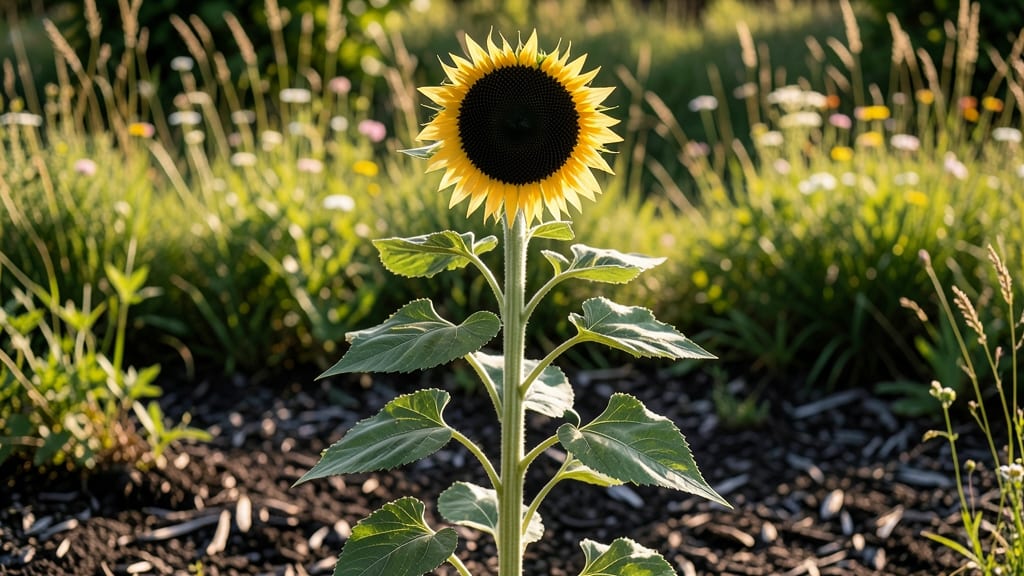
Growing black seed sunflowers means towering stems that reach 10 feet tall while attracting bees and butterflies like no other plant. 🌻 I planted mine last spring, and within weeks, the garden buzzed with pollinators—something my regular sunflowers never did.
These aren’t your average varieties; their deep black seeds are prized for both bird feed and human consumption, and their striking dark foliage makes them a garden showstopper.
The secret to their dramatic height and productivity starts with well-draining soil—think sandy loam mixed with compost—and a sunny spot where they’ll get at least 6-8 hours of direct light daily.
Unlike their shorter cousins, these sunflowers need space: give each plant 18-24 inches of room to sprawl without competing for nutrients. The key is patience; they germinate quickly but grow fast, so keep an eye on them as they shoot up.
What you’ll end up with is a pollinator magnet that thrives all summer long. The dark seeds ripen later than white varieties, so plan to harvest in late fall when they turn jet black and dry.
Snip the flower heads, hang them upside down, and watch birds flock to your feeder—or save them for roasting, which tastes like a nutty, earthy snack. The plants themselves add drama to any garden bed, their bold stems contrasting beautifully with lighter annuals.
Perfect for beginners and experienced gardeners alike, these sunflowers handle heat and drought once established, making them a low-maintenance choice. Just avoid overwatering—they hate soggy roots—and you’ll have a garden that’s both productive and stunning. Ready to grow yours?
📚 In This Guide
- What you need
- Instructions
- Tips and common mistakes
- Wrapping up and next steps
What you need
- ● Black seed sunflower seeds – Choose Helianthus annuus varieties like 'Black Oil' or 'Black Beauty' (10–50 seeds, depending on desired plant quantity).
- ● Well-draining potting mix or garden soil – A blend of 60% topsoil, 30% compost, and 10% perlite works wonders for seedlings.
- ● Containers or seed trays – 2–3 inch deep pots (for seedlings) or direct-sowing in garden beds (6–12 inches apart).
- ● Watering can or hose with a gentle nozzle – Sunflowers need consistent moisture, especially when young.
- ○ Fertilizer (optional but helpful) – A balanced 10-10-10 or organic compost tea to boost growth.
- ● Stakes or trellis (for tall varieties) – 4–6 ft stakes to support mature plants (especially 'Mammoth' types).
- ● Gloves and pruning shears – For handling seeds and trimming dead foliage.
- ● Seedling heat mat – Speeds up germination if starting indoors.
- ● Row covers or shade cloth – Protects seedlings from pests or harsh sun.
- ● Black seed oil or cold-pressed seeds – Harvest your own for culinary or health benefits!
- ● Pollinator-friendly companion plants – Marigolds or borage to attract bees and deter pests.
Step-by-Step instructions for growing black seed sunflowers
Here’s how to cultivate these striking giants—tall, dramatic, and irresistible to pollinators.
🌱 Step 1: Choose the Right Location and Prepare the Soil
Black seed sunflowers thrive in full sun—at least 6-8 hours daily—so pick a spot with no afternoon shade. I’ve found they tolerate a bit of morning shade in hot climates, but the stems weaken if light drops below 50% intensity. Amend the soil with 2-3 inches of compost mixed into the top 12 inches to improve drainage and fertility.
Test the soil pH—sunflowers prefer 6.0-7.0. If your soil is too acidic, add lime a few weeks before planting. I like to work in a handful of bone meal (about 1/2 cup per plant) for extra phosphorus, which boosts root and stem strength. Avoid fresh manure—it can lead to fungal issues.
🌱 Step 2: Plant Seeds at the Right Depth and Spacing
Direct-sow seeds 1/2 inch deep after the last frost when soil reaches 55°F. Space them 6-12 inches apart in rows 2-3 feet apart—closer spacing encourages competition, which weakens stems. I plant 4 seeds per hole and thin to the strongest seedling after germination to ensure no gaps.
Water gently after planting to settle the soil but avoid soaking—sunflower seeds rot if waterlogged. Mulch with 2-3 inches of straw to retain moisture and suppress weeds. The key here is patience: germination takes 7-14 days, depending on soil warmth.
☀️ Step 3: Provide Support and Monitor Growth
By 4-6 weeks, stems may need staking if they exceed 3 feet. I use bamboo stakes (6-8 feet tall) tied loosely with soft twine—tight ties can girdle stems as they thicken. Watch for powdery mildew on lower leaves; if you see white fuzzy patches, spray with neem oil at dusk to prevent spread.
Water at the base (not overhead) to keep foliage dry—this prevents fungal diseases. Sunflowers are drought-tolerant once established, but deep watering once a week ensures sturdy stems. You’ll know they’re thriving when leaves reach 6-12 inches wide and the central bud swells noticeably.
✂️ Step 4: Harvest and Prepare for Next Year
Cut stems when back seeds turn black and dry (usually late fall). Hang them upside down in a dry, dark space for 2-3 weeks to fully mature. Remove seeds by rubbing the dried heads over a tray—black seeds are non-GMO and prized for their bold color and pollinator appeal.
Save seeds for next year or share with fellow gardeners. If you’re growing for cut flowers, harvest when buds are fully open but petals haven’t faded. Replant in early spring—sunflowers self-seed readily, but saved seeds retain their striking black hue best.
Tips & tricks for growing dramatic black seed sunflowers
Here's what I've learned after watching these towering beauties transform my garden—tricks that make all the difference between average stems and showstopping giants.
Sunlight Strategy: While the instructions mention 6-8 hours of sun, I've found that in hot climates, morning sun with afternoon shade actually produces stronger stems. The key is avoiding the intense afternoon rays that can stress the plants. If you must plant in full sun all day, add shade cloth after the first 4-6 weeks to prevent leaf scorch, especially when leaves reach 6-12 inches wide as mentioned in Step 3.
Soil Prep Secret: The bone meal recommendation is fantastic, but here's what nobody tells you—mix it into the soil at least 4 weeks before planting. This gives the phosphorus time to fully integrate into the soil structure. I also add a handful of crushed eggshells to the planting hole for extra calcium, which prevents blossom-end rot in the developing seed heads. The 2-3 inches of compost should be well-aged—fresh compost can attract pests.
Germination Hack: Don't be tempted to water immediately after planting those 4 seeds per hole. Instead, let the soil settle for 24 hours, then water gently. This prevents seed rot during the critical 7-14 day germination period. I've found that covering the freshly planted area with clear plastic wrap for the first 48 hours creates a mini greenhouse effect that speeds up germination by 2-3 days without risking overwatering.
Staking System: The bamboo stakes work beautifully, but I've developed a more stable method: use 3 stakes per plant arranged in a triangle around the base. This creates a natural support system that prevents the plant from leaning. For extra stability in windy areas, bury the stakes at a 45-degree angle rather than straight up. The loose twine tip is crucial—use old t-shirts or fabric strips instead of wire, which can cut into the thickening stems as they grow.
Pro Tips for Black Seed Sunflowers
- Here's what I've learned after watching these towering beauties transform my garden—tricks that make all the difference between average stems and showstopping giants.
- Sunlight Strategy: While the instructions mention 6-8 hours of sun, I've found that in hot climates, morning sun with afternoon shade actually produces stronger stems.
- Soil Prep Secret: The bone meal recommendation is fantastic, but here's what nobody tells you—mix it into the soil at least 4 weeks before planting.
Frequently asked questions
Got questions about growing black seed sunflowers? You’re not alone! Here are answers to the most common queries to help you cultivate these striking beauties with confidence.
How tall do black seed sunflowers grow?
Black seed sunflowers typically reach 6 to 10 feet tall, making them a dramatic addition to gardens or pollinator-friendly landscapes. For shorter spaces, opt for dwarf varieties (3–5 ft) or provide sturdy support like stakes or cages. Their towering height also makes them ideal for privacy screens or windbreaks!
When is the best time to plant black seed sunflowers?
Plant seeds after the last frost when soil temperatures are at least 50°F (10°C). In warm climates, you can direct-sow as early as March–April, while cooler regions may wait until May–June. For extended blooms, succession plant every 2–3 weeks. Black seed sunflowers thrive in full sun (6+ hours daily) and well-drained soil.
Are black seed sunflowers good for pollinators?
Absolutely!
These sunflowers are a magnet for bees, butterflies, and birds, especially their dark, oil-rich seeds that attract finches and chickadees. Their long blooming season (summer to fall) provides continuous nectar. Pair them with native wildflowers to create a pollinator paradise.
What can I do if my black seed sunflowers aren’t flowering?
Non-flowering sunflowers often stem from overcrowding, poor nutrition, or stress. Thin seedlings to 12–18 inches apart, fertilize lightly with low-nitrogen, high-phosphorus (like 5-10-10), and ensure 6+ hours of sunlight. If plants are leggy, they may need staking or a move to sunnier ground. Patience helps—some varieties bloom 80–100 days after planting!
Can I grow black seed sunflowers in containers?
Yes! Choose large containers (10+ gallons) with drainage holes and use a lightweight potting mix. Dwarf varieties (like ‘Moulin Rouge’) work best, as they stay under 3–4 feet. Place pots in full sun and water consistently—containers dry out faster. For extra stability, add pebbles or a trellis to support heavy blooms.
Wrapping up and next steps
Black seed sunflowers are a showstopper in any garden—packed with drama, pollinator power, and easy-care charm! 🌻 From their striking black seeds to their towering height, these beauties bring both visual impact and ecological benefits to your outdoor space.
Whether you're a seasoned gardener or a beginner, their resilience and versatility make them a must-try.
Ready to plant your own? Start small—grab seeds, pick a sunny spot, and let nature do the rest! Your future pollinator paradise awaits. 🌱