
Vegetables
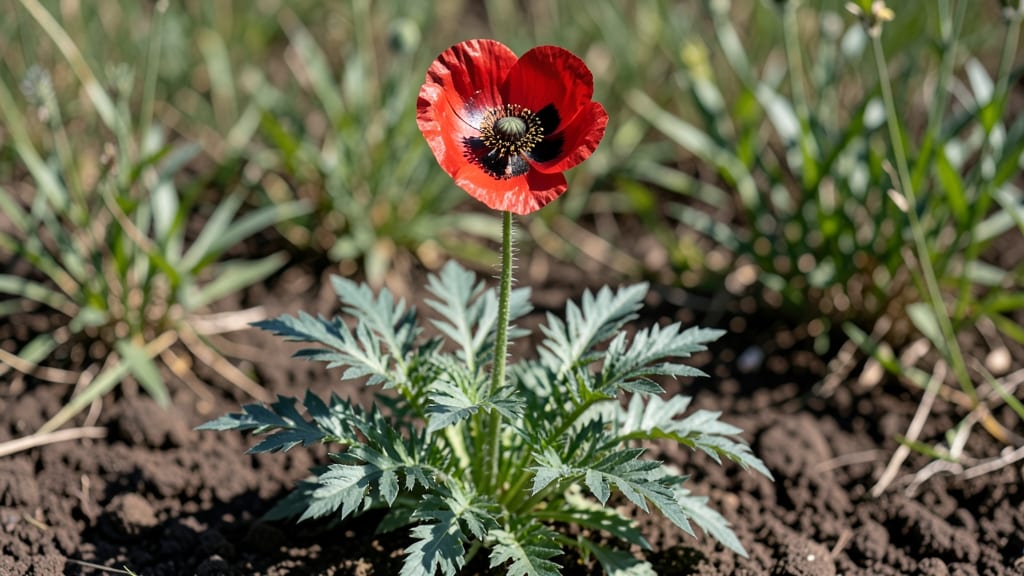
Harvesting breadseed poppy leaves gives you edible greens and seeds—no waste, just rewards. 🌱 I learned the hard way that skipping the leaves means missing out on tender, peppery greens perfect for salads or teas.
These plants thrive in poor soil and full sun, making them ideal for beginners or neglected corners of the garden.
The key is consistent harvesting: pinch back young leaves to encourage bushier growth, and let a few mature for seed saving. You’ll get two harvests—once for leaves, again for seeds—without sacrificing the plant. Just watch for aphids, which love the sap, and water deeply but infrequently to avoid rot.
📚 In This Guide
- What you need
- Instructions
- Tips and common mistakes
- Wrapping up and next steps
What you need
- ● Breadseed poppy plants (at least 10-20 mature plants for a bountiful harvest)
- ● Pruning shears or sharp scissors (sterilized with rubbing alcohol)
- ● Paper bags or breathable mesh bags (for drying leaves and seeds; 1-2 bags per plant)
- ● Labeling tags or masking tape (to mark plant varieties)
- ● Drying rack or clean, flat surface (out of direct sunlight)
- ● Fine-mesh sieve or colander (for separating seeds from chaff)
- ● Gloves (to protect hands from sap or prickly stems)
- ● Food dehydrator (for faster leaf drying)
- ● Small fan or ventilation setup (to speed up drying in humid climates)
- ● Seed storage jars with silica gel packets (for long-term seed preservation)
- ● Notebook or app (to track harvest dates and plant traits)
Step-by-step guide to harvesting breadseed poppy leaves
Here’s how to maximize your poppy harvest without wasting a single leaf.
🌿 Step 1: Identify and Select Healthy Leaves
Poppy leaves are best harvested in the morning after dew has dried but before the sun peaks. Look for leaves that are fully unfurled and deep green—avoid yellowed or wilted ones. The larger, lower leaves have the most robust flavor, but you can harvest younger leaves too. I like to pick just the outer leaves first, leaving the inner growth intact so the plant keeps producing.
Use clean, sharp scissors or fingers to pinch the leaves at their base. Avoid tearing—the cleaner the cut, the faster the plant recovers. You’ll get about 4-6 harvests per season from one plant if you’re gentle. Real talk: If you wait until leaves are fully mature, you’ll miss the peak flavor window.
✂️ Step 2: Harvest Leaves for Immediate Use or Preservation
For fresh use, rinse leaves gently under cool water and pat dry with a paper towel. Poppy leaves are delicate, so handle them like you would spinach—no rough rubbing or soaking. If you’re saving for later, spread them on a clean, dry towel in a single layer. Place them in a well-ventilated area for 1-2 hours to air-dry completely before storing.
I store dried leaves in small glass jars or paper bags, keeping them in a cool, dark place. They’ll stay fresh for up to 6 months if fully dried. Never store them in plastic—they’ll sweat and turn slimy. You’ll know they’re properly dried when they crumble easily between your fingers.
🌱 Step 3: Encourage Continuous Leaf Production
After harvesting, water the plant deeply to help it recover. Poppies are drought-tolerant, but they’ll reward you with more leaves if you keep the soil evenly moist—not soggy. I like to mulch around the base with a thin layer of straw to retain moisture and suppress weeds. Avoid fertilizing—poppies thrive in lean soil and will produce bitter leaves if overfed.
Watch for new growth within 7-10 days. If the plant starts putting all its energy into seed pods, pinch them off to redirect growth back to the leaves. You’ll see fresh leaves unfurling at the center—this is your signal to start the cycle again. Just don’t over-harvest, or you’ll stunt the plant’s ability to regrow.
🌱 Step 4: Save Seeds for Next Year’s Harvest
Once the poppy flowers fade, they’ll form seed pods. Let 2-3 pods per plant mature fully before harvesting—these will give you seeds for next season. The pods turn brown and papery when ready; they’ll often pop open on their own. Collect the seeds by tapping the pods over a bowl or paper, then store them in a cool, dry place.
Poppy seeds stay viable for 2-3 years if kept dry. I label my seed packets with the year and variety to avoid confusion. Here’s the thing—if you save seeds from hybrid poppies, the next generation might not look identical, but the flavor will still be rich. Plant them in early spring for a fresh batch of leaves by midsummer.
Tips & tricks for perfect breadseed poppy leaf harvesting
These practical pointers will help you get the most out of your poppy plants without sacrificing future harvests.
Timing is Everything: The morning window between dew evaporation and peak sun is your sweet spot for harvesting. I've found that leaves picked at this time have the most vibrant flavor and stay fresh longer. If you must harvest later in the day, do it in the late afternoon to avoid the harshest sun, which can cause wilting and reduce shelf life.
Harvesting Technique: When pinching leaves, use a clean cut just above the leaf base—this minimizes damage to the plant and encourages faster regrowth. I've ruined multiple harvests by tearing leaves, which creates open wounds that attract pests and slow recovery. For larger leaves, I use clean kitchen scissors, while smaller leaves come off easily with my fingers.
Drying Strategy: The 1-2 hour air-drying time in Step 2 is crucial—don't rush it! I've learned the hard way that partially dried leaves develop mold. Spread them in a single layer on a clean towel in a well-ventilated area (like a sunny windowsill with a fan nearby). Test for dryness by crushing a leaf between your fingers—it should crumble completely without any moisture.
Seasonal Planning: To maximize your 4-6 harvests per season, space them out every 2-3 weeks. I mark my calendar when I harvest to track regrowth patterns. In cooler climates, you might get fewer harvests, but the flavor tends to concentrate in later leaves. Always leave at least 2-3 inner leaves to keep the plant healthy—this is how you ensure continuous production.
Pro Tips for Breadseed Poppy Leaves
- These practical pointers will help you get the most out of your poppy plants without sacrificing future harvests.
- Timing is Everything: The morning window between dew evaporation and peak sun is your sweet spot for harvesting.
- Harvesting Technique: When pinching leaves, use a clean cut just above the leaf base—this minimizes damage to the plant and encourages faster regrowth.
Frequently asked questions
Got questions about harvesting and using breadseed poppy leaves? You’re not alone! Here are answers to the most common queries to help you make the most of your zero-waste garden.
When should I harvest breadseed poppy leaves for the best flavor?
Harvest young, tender leaves before the plant flowers for the mildest, most flavorful taste. Aim for leaves that are 2–4 inches long—older leaves can be bitter. For a continuous harvest, pinch off leaves regularly throughout the growing season (spring to early summer).
How long do freshly picked breadseed poppy leaves stay fresh?
Store leaves in the fridge in a sealed container with a damp paper towel for 3–5 days. For longer storage, blanch and freeze them for up to 3 months. Avoid washing until ready to use—they wilt faster when damp.
Can I substitute breadseed poppy leaves for other greens in recipes?
Use them like spinach or arugula in salads, sandwiches, or sautéed dishes. Their peppery, slightly sweet flavor pairs well with cheeses, nuts, and citrus. Start with a 1:1 ratio, but reduce if you prefer a milder taste.
Will harvesting leaves affect seed production?
No—harvesting leaves won’t harm seed production. The plant focuses energy on seeds, not leaves. Just avoid over-pruning the center stem where flowers emerge. For maximum seeds, let at least 20–30% of leaves remain.
What should I do if my poppy leaves turn yellow or wilt?
Yellowing often signals overwatering or nutrient deficiency. Let soil dry slightly between waterings and amend with compost. Wilting? Check for pests (like aphids) or adjust sunlight—poppies thrive in full sun (6+ hours/day). Trim damaged leaves to encourage new growth.
Wrapping up and next steps
Harvesting breadseed poppy leaves is a brilliant way to reduce food waste and enjoy fresh greens year-round—while still saving seeds for next season!
Whether you’re a gardener looking to maximize your plants or a culinary enthusiast eager to explore new flavors, these leaves offer nutrition, versatility, and sustainability all in one. 🌱
Ready to put your new skills to the test? Start by planting a few poppies this season and experiment with their leaves in salads, pestos, or teas. Every harvest is a step toward a greener, tastier garden—keep growing, keep savoring! 🌟