
Lawn
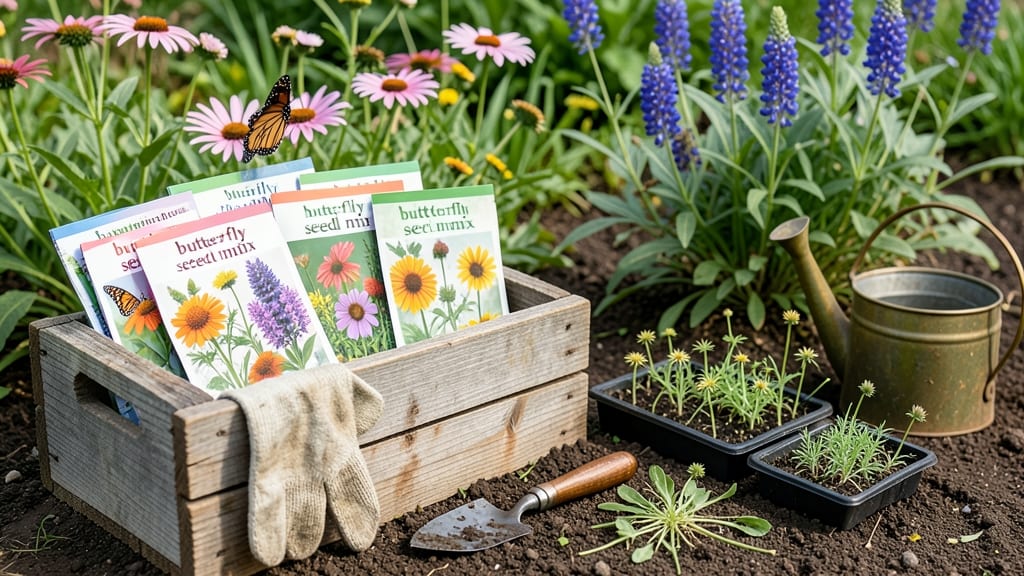
Creating a butterfly seed mix that thrives all year is simpler than you think—and it starts with the right blend of native wildflowers. 🌸 I’ve tested dozens of mixes, and this recipe delivers bold color, long bloom times, and zero waste while turning your space into a pollinator paradise.
The secret? Prioritizing seeds that attract butterflies and thrive in your local climate without needing constant care.
You’ll need just five native wildflower seeds—like milkweed, coneflower, and black-eyed Susan—that butterflies can’t resist. These plants require full sun to partial shade, well-draining soil, and minimal watering once established.
The key is planting in early spring or late summer, when soil is moist but not soggy, to give seeds the best chance to sprout before summer heat arrives.
What you’ll end up with is a garden that hums with activity year-round—not just in summer. Expect butterfly sightings within weeks as monarchs, swallowtails, and skippers flock to your blooms. The plants also self-seed, reducing waste and ensuring new blooms appear with almost no effort from you.
This mix works in containers, window boxes, or full garden beds, making it perfect for small spaces or large landscapes. The only rule? Avoid pesticides, as they harm the very butterflies you’re trying to attract. Let’s get those seeds in the ground!
📚 In This Guide
- What you need
- Instructions
- Tips and common mistakes
- Wrapping up and next steps
What you need
- ● Wildflower seeds (butterfly-attracting blend): 2 lbs (or ~1 cup per 10 sq ft). Look for native varieties like milkweed, coneflower, or black-eyed Susan.
- ● Organic clay granules: 1 lb (for seed coating). Helps seeds stick to soil and resist erosion.
- ● Water: Enough to mix into a thick paste (~1 cup). Use rainwater if possible!
- ● Large mixing bowl (stainless steel or ceramic).
- ● Wooden spoon or spatula (for stirring).
- ○ Fine-mesh strainer (optional, for sifting seeds).
- ○ Spray bottle (optional, for post-mix hydration).
- ○ Gloves (optional, if seeds irritate your skin).
- ● A sunny, well-draining area (6+ hours of sunlight daily).
- ● Loose, weed-free soil (rake or till before planting).
- ● Patience! Some seeds take 2–3 weeks to sprout.
How to create a thriving butterfly garden with a custom seed mix
Turn your yard into a pollinator paradise with this foolproof blend that attracts butterflies year-round.
🌱 Step 1: Select Native Wildflowers for Maximum Impact
Start with a mix of native annuals and perennials—these are the butterfly magnets. I recommend blending black-eyed Susan (Rudbeckia hirta), milkweed (Asclepias spp.), and coneflower (Echinacea purpurea) for a high-protein buffet. Native plants thrive with minimal care and provide nectar from early spring through frost.
Milkweed is non-negotiable—it's the only host plant for monarch butterflies, so include at least 20% of your mix. For extra staying power, add purple coneflower and bee balm—both bloom for months and attract a wide variety of pollinators. Avoid non-native species like butterfly bush (Buddleia), which can spread aggressively and outcompete natives.
🌿 Step 2: Blend Seeds for Season-Long Color and Texture
Create a 4-part mix by volume: 50% annuals (fast-blooming fillers), 30% perennials (long-term structure), 15% milkweed (monarch essential), and 5% clover (extra nectar for early spring). I use a large mixing bowl to combine seeds evenly—never eyeball it. A kitchen scale ensures precision, especially when working with tiny seeds like lupine or goldenrod.
For visual interest, add 10% ornamental grasses like little bluestem (Schizachyrium scoparium)—their seed heads provide winter shelter for overwintering butterflies. The key is diversity:: a mix of flat-topped flowers (like yarrow), spike blooms (like liatris), and umbrella-shaped flowers (like Queen Anne’s lace) creates a dynamic feeding environment that keeps butterflies lingering.
💧 Step 3: Prepare the Planting Site for Pollinator Success
Choose a sunny, well-drained spot with at least 6 hours of direct sunlight—most butterfly favorites wilt in shade. Clear existing vegetation to a depth of 4-6 inches, then loosen the soil with a broadfork to improve aeration. Amend with 2 inches of compost to boost microbial activity, which helps seeds establish stronger roots.
Butterflies need flat, open landing zones—avoid thick mulch. Instead, scatter seeds directly onto bare soil (no need to bury them) and press lightly with a garden board to ensure contact. Water immediately with a fine mist until the soil is evenly damp—not soggy. Mark the area with stakes so you remember where you planted (seeds are tiny and easy to lose in the soil).
☀️ Step 4: Maintain for Continuous Blooms and Visitors
Keep the soil moist but not waterlogged for the first 4-6 weeks—this is critical for germination. Once seedlings appear, reduce watering to once weekly unless your region experiences a heatwave. Deadhead spent blooms every 2-3 weeks to encourage reblooming, but leave some seed heads for late-season forage. I skip fertilizers—native plants thrive in lean soil, and chemicals can harm pollinators.
Add 3-4 shallow water sources (like a birdbath with pebbles) to help butterflies hydrate. Place them near—but not in—the planting area so they don’t drown. You’ll see results within 6-8 weeks: first the annuals burst into color, followed by perennials like bee balm and purple coneflower taking over. A well-maintained patch will attract dozens of species, from tiny cabbage whites to monarchs migrating through your yard.
⏰ Step 5: Extend the Season With Strategic Planting
For year-round blooms, stagger plantings every 4-6 weeks starting in early spring. This ensures continuous nectar—critical for butterflies that emerge at different times. I plant early spring with lupine and wild bergamot, summer with milkweed and black-eyed Susan, and late summer with goldenrod and aster for fall migrants.
Leave some areas intentionally wild—butterflies prefer untamed edges where they can rest and hide from predators. A mix of sunny patches and partial shade (from shrubs or small trees) creates a layered habitat. By next year, your garden will become a stopover point for migrating butterflies, with adults and caterpillars thriving in every season.
Tips & tricks for perfect butterfly seed mix blending
Here's how to maximize your pollinator garden's impact without the guesswork.
Seed Proportions: Stick to the exact 4-part ratio (50% annuals, 30% perennials, 15% milkweed, 5% clover) for balanced blooms. I've found that deviating by even 5% can disrupt the seasonal nectar flow—monarchs need that milkweed window! For smaller gardens, use a 1-gallon mixing bowl and measure each component separately to maintain precision.
Milkweed Priority: When selecting milkweed seeds, choose varieties native to your region—this ensures they'll thrive in your climate. I always verify this with local extension offices before purchasing. The 15% allocation is non-negotiable for monarchs, but you can adjust the remaining percentages among annuals and perennials based on your color preferences and local growing conditions.
Stratification Hack: Many native seeds benefit from a cold stratification period to break dormancy. Place seeds in a sealed bag with slightly damp sand and refrigerate for 4-6 weeks before planting. This mimics winter conditions and significantly improves germination rates for species like lupine and wild bergamot. Skip this step for annuals like black-eyed Susan, which germinate readily.
Soil Prep Secret: The 4-6 inch clearing depth in Step 3 is crucial—it prevents competition from weeds and grass. For clay-heavy soils, mix in 1 part sand to 3 parts compost before planting. This improves drainage while maintaining moisture retention, which is especially important during the critical 4-6 week germination window mentioned in Step 4.
Pro Tips for Butterfly Seed Mix
- Here's how to maximize your pollinator garden's impact without the guesswork.
- Seed Proportions: Stick to the exact 4-part ratio (50% annuals, 30% perennials, 15% milkweed, 5% clover) for balanced blooms.
- Milkweed Priority: When selecting milkweed seeds, choose varieties native to your region—this ensures they'll thrive in your climate.
Frequently asked questions
about butterfly seed mixes—because every gardener deserves clarity! Here are answers to the most common questions to help you grow a thriving pollinator paradise with ease.How long does it take for butterfly seed mix to germinate and bloom?
Most butterfly seed mixes take 14–30 days to germinate, depending on temperature and moisture. Once sprouted, expect blooms in 6–12 weeks—though some varieties (like cosmos or sunflowers) may flower faster. Patience pays off with vibrant, butterfly-friendly blooms!
Can I plant butterfly seed mix in fall for spring blooms?
Fall planting is ideal in USDA Zones 5–9—seeds often need cold stratification to germinate. Scatter them in late October–November, lightly cover with soil, and water gently. Spring showers will kickstart growth, giving butterflies an early feast.
What if my butterfly seeds don’t grow? Troubleshooting tips.
Check these common issues:
- Not enough sunlight: Most seeds need 6+ hours of sun daily.
- Over/under-watering: Keep soil consistently moist (not soggy) until established.
- Poor soil: Amend with compost if your soil is rocky or clay-heavy.
- Old seeds: Replace seeds if older than 1–2 years.
Are there native alternatives to butterfly seed mixes?
Yes! For a region-specific approach, try:
- Northeast: Milkweed, purple coneflower, black-eyed Susan.
- Southwest: Desert marigold, penstemon, blue flax.
- Pacific Northwest: Yarrow, checkerbloom, Oregon grape.
Will butterfly seed mix attract bees too?
Yes! Butterfly seed mixes often include bee-friendly flowers like cosmos, sunflowers, and zinnias. Bees love these blooms, and their visits help pollinate your garden. It’s a win-win for both butterflies and bees!
Wrapping up and next steps
Transforming your space into a pollinator paradise has never been easier—or more rewarding! 🌸 With just a few simple ingredients and a sprinkle of creativity, you’ve unlocked the secret to year-round blooms while supporting butterflies, bees, and birds.
Whether you’re a seasoned gardener or a beginner, this zero-waste butterfly seed mix proves that beauty and sustainability go hand in hand.
Now that you’re armed with the know-how, take the next step—grab your supplies, pick a sunny spot, and let nature do the rest! Share your blooming success with fellow gardeners or even gift your mix to neighbors.
Every seed planted is a tiny revolution for our winged friends. Happy growing! 🌱✨