
Lawn
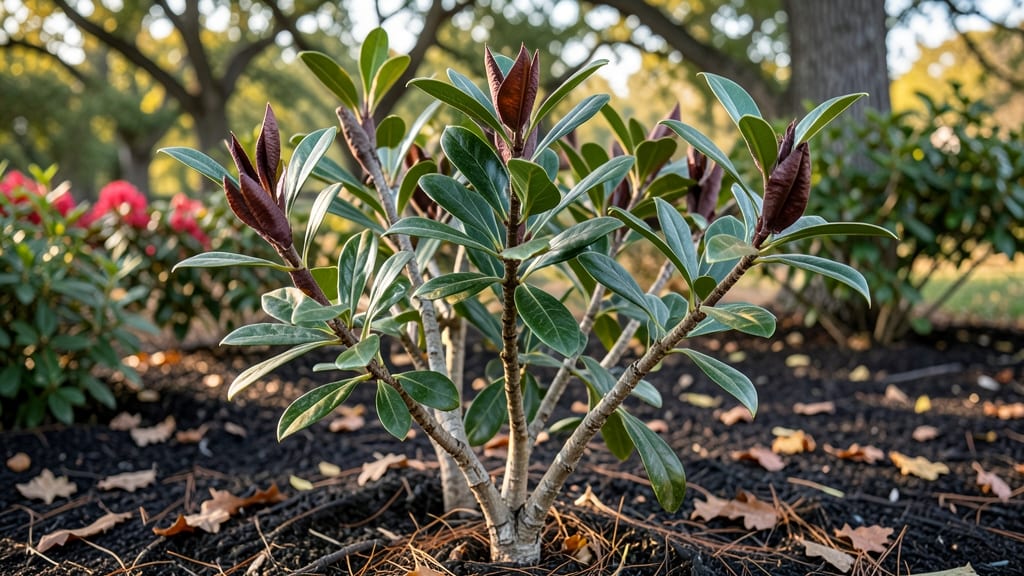
Harvesting Carolina allspice seed pods is the secret to growing more of these fragrant shrubs—without buying new plants. 🌿 These woody, twist-resistant pods hold seeds that can produce new plants, but timing and technique matter more than you'd think.
The pods turn from green to brown in late fall, usually around October or November, when they’re ready to harvest. Look for pods that feel dry and papery to the touch—these contain the best-quality seeds. If you wait too long, the pods will split open naturally, scattering seeds everywhere.
Once you’ve collected them, you’ll need to extract the seeds carefully. The pods resist twisting, so you’ll have to crack them open with pliers or a small hammer. Store the seeds in a cool, dry place until spring planting, when they’ll be ready to break dormancy and sprout.
This method works for zero-waste seed saving, and you’ll end up with hardy new plants that thrive in partial shade. Here’s how to do it right—no guesswork, just reliable results.
📚 In This Guide
- What you need
- Instructions
- Tips and common mistakes
- Wrapping up and next steps
What you need
- ● Carolina allspice plants – Healthy, mature plants (at least 2–3 years old) with ripe seed pods (typically fall).
- ● Sharp pruning shears or scissors – Bypass-style (clean cuts, 4–6" long blades) to avoid crushing pods.
- ● Large paper grocery bags or breathable mesh bags – Brown paper (for airflow) or 100% cotton mesh (to prevent moisture buildup).
- ● Newspaper or cardboard – For drying pods indoors (avoid plastic—it traps humidity!).
- ● Small wooden skewers or toothpicks – 3–4 inches long, for propping open stubborn pods.
- ● Fine-mesh sieve or colander – 1/8" mesh to separate seeds from chaff.
- ● Air-tight glass jars or seed envelopes – Opaque containers (e.g., amber glass or Mason jars) to store seeds in a cool, dark place.
- ● Permanent marker – For labeling jars/envelopes with harvest date and variety.
- ● Gloves – Nitrile or cotton to protect hands from prickly stems or sap.
- ● Hand lens or magnifying glass – For inspecting seed viability (look for plump, dark seeds).
- ● Food dehydrator – Speeds up drying if pods are damp (120°F for 4–6 hours).
- ● Humidity pack (silica gel) – For long-term seed storage (place 1 packet per jar).
- ● Digital scale – To monitor seed weight loss during drying (aim for 5–10% moisture).
Step-by-Step instructions for harvesting Carolina allspice seed pods
Here's how to collect seeds without damaging the pods or wasting a single bit of this versatile plant.
🌿 Step 1: Identify and Select Mature Seed Pods
Carolina allspice pods turn a deep, papery brown when ready—wait until they're completely dry and slightly brittle to the touch. I run my thumb along the pod's seam: if it opens easily with gentle pressure, it's harvest-ready. Never pick green pods; they won't store properly and may spoil.
Look for pods that have naturally split open along their seams—this is your signal the seeds are fully mature. If pods are still tightly closed, wait another week. The plant typically produces pods in late summer to early fall, so timing depends on your local climate.
✂️ Step 2: Harvest Without Twisting or Breaking
Use clean, sharp pruning shears to snip the entire pod from the stem, leaving about ½ inch of stem attached. Twisting pods off can damage the plant and cause the seeds to scatter prematurely. I always harvest on a dry morning when dew has evaporated—this prevents mold from forming on freshly cut stems.
Place harvested pods in a paper bag (not plastic) to allow airflow while transporting them home. The bag's breathability prevents excess moisture buildup, which could ruin seeds during storage. Handle pods gently; their papery texture makes them fragile once mature.
🪴 Step 3: Dry and Clean the Seed Pods
Spread the pods on a clean, dry towel in a single layer, away from direct sunlight. I place them in a well-ventilated area where they can dry for 3-5 days—until they feel completely dry and crisp to the touch. This thorough drying prevents mold during storage.
Once fully dry, gently open each pod by rubbing between your palms. The seeds will naturally spill out while the empty pod husks can be composted. Sift through the seeds to remove any chaff or debris using a fine-mesh strainer. Store only the clean, plump seeds for saving.
⏰ Step 4: Store Seeds for Long-Term Viability
Transfer the cleaned seeds into a small, airtight container like a glass jar or seed envelope. I label each container with the harvest date—Carolina allspice seeds remain viable for 2-3 years when stored properly. Keep the container in a cool, dark place like a pantry or seed refrigerator.
For extra protection, add a packet of silica gel or a few uncooked rice grains to absorb any residual moisture. Check the seeds annually: if they feel damp or develop an off odor, transfer them to a fresh container immediately. Properly stored seeds should maintain their dark brown color and firm texture.
Tips & tricks for perfect Carolina allspice seed pod harvesting
These little details make all the difference when preserving your allspice seeds without a single wasted pod.
Maturity Test: The thumb test is your best friend in Step 1. Run your thumb along the pod's seam—if it opens easily with gentle pressure, that's your cue. I've found pods that look dry but still feel slightly springy when pressed aren't ready yet. The natural split along the seams is your golden ticket to fully mature seeds that'll store properly.
Harvest Timing Secret: In Step 2, that ½ inch of stem attached might seem small, but it's crucial. The stem helps prevent seeds from scattering while you transport them. I harvest on dry mornings because dew can create moisture pockets that lead to mold—trust me, you don't want to deal with that after all your hard work. A paper bag is non-negotiable; plastic traps moisture and ruins seeds during transport.
Drying Wisdom: The 3-5 day drying period in Step 3 is where many people rush and regret it. Spread pods in a single layer—crowding creates uneven drying and mold risks. I place mine on a wire rack over a towel in my garage (out of direct sun) where airflow circulates naturally. The pods should feel completely dry and crisp—like they might shatter if you press too hard. If they still feel damp after 5 days, extend the drying time.
Storage Upgrade: For Step 4, I've found that adding a small packet of silica gel to your storage container works better than rice grains. The gel absorbs moisture more effectively and lasts longer. Labeling with the harvest date is non-negotiable—after 2-3 years, even properly stored seeds start losing viability. I also add a tiny piece of chalk to my containers as a natural moisture indicator; if it turns pink, it's time to transfer your seeds to a fresh container immediately.
Pro Tips for Carolina Allspice Seed Pods
- These little details make all the difference when preserving your allspice seeds without a single wasted pod.
- Maturity Test: The thumb test is your best friend in Step 1.
- Harvest Timing Secret: In Step 2, that ½ inch of stem attached might seem small, but it's crucial.
Frequently asked questions
When is the best time to harvest Carolina allspice seed pods?
The ideal time to harvest seed pods is in late fall to early winter (November–January), when the pods turn brown, dry, and split open naturally. Wait until they’re crispy—never harvest green pods—as they won’t contain viable seeds. If pods remain unopened, gently twist them to release seeds (this is why they’re called "twist-resistant"!).
What do I do if the seed pods won’t twist open?
If pods resist twisting, try these tricks:
- Dry them longer: Place pods in a paper bag for 1–2 weeks in a warm, dry spot (like a sunny windowsill).
- Freeze & thaw: Pop pods in the freezer for 24 hours, then let them thaw—this can loosen seeds.
- Use a nutcracker: Gently crack open stubborn pods (wear gloves—some seeds stain!).
Can I save seeds from store-bought Carolina allspice?
Unfortunately, no. Store-bought pods are often treated with preservatives or harvested from hybrid plants, which may not produce true-to-type seeds. For reliable seed saving, grow your own plants from open-pollinated seeds or source them from reputable seed libraries. Twist-resistant pods are a fun way to encourage zero-waste gardening!
How should I store harvested seeds for next year?
Store seeds in a cool, dry place (like a sealed jar in the fridge) for up to 2–3 years. For best results:
- Let seeds air-dry completely for 1–2 weeks before storing.
- Avoid plastic bags (they trap moisture). Use paper envelopes or airtight containers.
- Label seeds with the harvest date!
Are there alternatives if I can’t grow Carolina allspice?
If you love the twist-resistant challenge but can’t grow Carolina allspice, try these seed-saving plants with similar textures or flavors:
- Anise hyssop (similar aromatic seeds, great for pollinators).
- Fennel (dry, twisty seed heads, edible and fragrant).
- Dill (easy to harvest and save seeds from).
- Caraway (hardy, self-seeds readily).
Wrapping up and next steps
Harvesting Carolina allspice seed pods with a twist-resistant method isn’t just eco-friendly—it’s a game-changer for zero-waste gardening! 🌱 By mastering the right tools and techniques, you’ll preserve seeds efficiently while reducing food waste. Whether you’re a seasoned gardener or just starting, these tips make the process simple and rewarding.
Ready to put your new skills to work? Start small—try saving seeds from just one pod this season! Share your harvest with fellow gardeners or experiment with growing your own Carolina allspice plants. Every twist-resistant seed saved is a step toward a greener, more sustainable future. Happy harvesting! 🌿