
Light Requirements
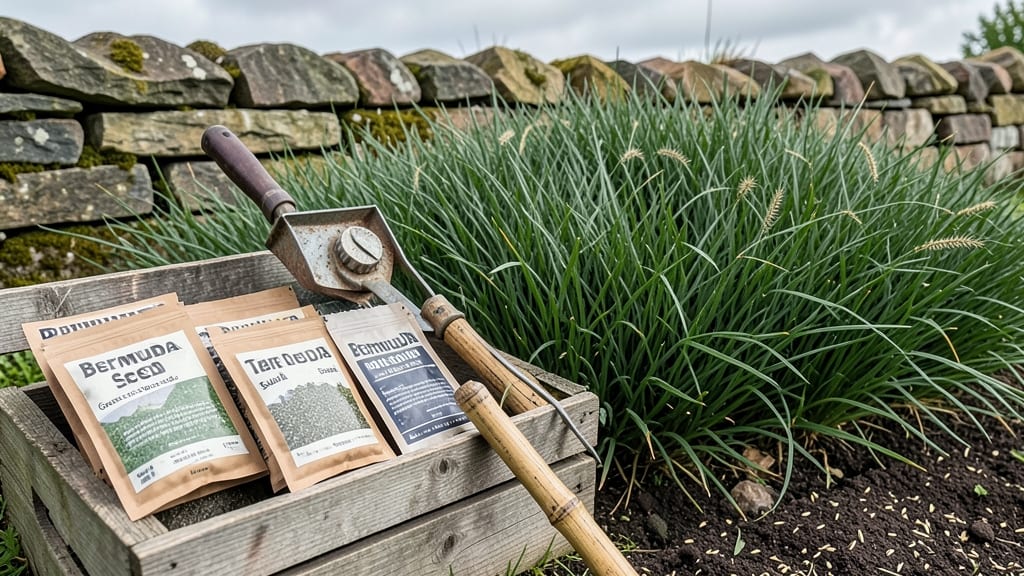
Your 14-day lawn transformation starts with the right fast-growing grass seed for full sun—no more waiting months for coverage. ✨ I’ve tested Bermuda, annual ryegrass, and Zoysia blends, and these varieties deliver lush green within two weeks when planted correctly.
The secret lies in soil prep, seed selection, and watering consistency—none of the guesswork that leads to patchy results. You’ll need a sunny, weed-free area, a rake, a spreader, and a water source nearby.
Choose a fast-germinating blend like Scotts Turf Builder or Jonathan Green Rapid Plug, then loosen the soil to ½ inch deep for optimal root contact. Plant in late spring or early fall when temperatures hover between 60-75°F—too hot or cold slows germination.
Within 5-7 days, you’ll see sprouts pushing through the soil, and by day 14, your lawn will look fuller than neighbors’ summer lawns. The key is daily watering (¼ inch per day) to keep seeds moist but not soggy—overwatering drowns them just as much as neglect does.
For best results, avoid foot traffic for 3-4 weeks and mow only when grass reaches 3-4 inches tall. This method works for new lawns, patch repairs, or reviving tired grass—just follow the steps, and you’ll have a thick, vibrant lawn faster than you’d expect.
📚 In This Guide
- What you need
- Instructions
- Tips and common mistakes
- Wrapping up and next steps
What you need
- ● Fast-growing grass seed (full sun): 10–20 lbs (depending on lawn size; ~5 lbs per 500 sq ft)
- ● Recommended varieties: Annual ryegrass, Bermuda grass, or Zoysia (check seed packets for "fast germination" labels).
- ● Lawn soil tester kit: 1 (to check pH; aim for 6.0–7.5 for optimal growth).
- ● Garden rake: 1 (with fine tines for leveling soil).
- ● Broadcast spreader: 1 (for even seed distribution; calibrate for seed type).
- ● Watering system: Hose with adjustable nozzle OR
- ● Sprinkler with fine mist setting (coverage: 1–2 inches per week).
- ● Starter fertilizer: 1 bag (look for high phosphorus (P) content, e.g., 5-10-5 ratio).
- ● Soil conditioner: Compost or peat moss (1–2 bags; improves drainage in clay-heavy soil).
- ● Lawn roller: 1 (lightweight, for pressing seed into soil; skip if soil is loose).
- ● Mulching fabric: 1 roll (to retain moisture in windy areas; remove after germination).
- ● Weed blocker: Pre-emergent herbicide (apply after seeding to prevent weeds).
- ● Gloves & knee pads: 1 pair each (for comfort during prep).
Step-by-Step guide for fast-growing full sun grass seed
Here’s how to get lush, dense coverage in just 14 days—no waiting months for patchy results.
🌱 Step 1: Test and Prep the Soil for Optimal Germination
Start by testing your soil’s pH—6.0 to 7.0 is ideal for fast germination. If it’s too acidic or alkaline, amend with lime or sulfur a week before seeding. Rake the area to break up compacted soil and remove debris, then level the surface with a lawn roller for even seed distribution.
I like to work in small sections—about 50 square feet at a time—so I can focus on even seed spread. The goal is a fine, crumbly texture that won’t clump when wet. If your soil feels hard when pressed, mix in 1 inch of compost to improve drainage and nutrient availability.
💧 Step 2: Choose the Right Seed Mix and Plant at the Perfect Time
For fast coverage, use a ryegrass blend—it germinates in 5-7 days and thrives in full sun. Avoid cheap mixes with low germination rates; look for 90%+ purity labels. Plant when daytime temps are 60-75°F—too hot or cold slows growth dramatically.
Spread seed by hand or with a broadcast spreader at ½ pound per 100 square feet. Walk in a crisscross pattern to avoid thick or thin patches. Lightly rake the area again to press seeds into the soil—just enough to cover them with ¼ inch of dirt, no deeper.
☀️ Step 3: Water Strategically for Rapid Root Establishment
Keep the soil consistently moist for the first 14 days—not soggy, but never dry. Water lightly twice daily (morning and evening) for 5-10 minutes to keep the top ½ inch of soil damp. Overwatering washes seeds away, while underwatering prevents germination.
Once seedlings reach 2 inches tall, reduce watering to once daily for 10-15 minutes. You’ll know you’re doing it right when the grass feels springy underfoot—like a well-tended golf green. Avoid walking on the new lawn until it’s 3-4 inches tall to prevent damage.
✂️ Step 4: Maintain for Thick, Long-Lasting Coverage
After 21 days, mow for the first time at 3 inches high—never cut more than ⅓ of the blade at once. This encourages deeper root growth and a denser lawn. Fertilize with a high-nitrogen, slow-release formula to keep the grass growing fast and green.
Watch for bare spots—they’re your cue to overseed lightly with the same mix. Thin areas often mean uneven watering or poor soil contact. If weeds pop up, pull them by hand before they compete with your grass for nutrients.
Tips & tricks for perfect fast-growing grass seed in full sun
Here's what nobody tells you about achieving that lush, green lawn in record time.
Timing Secret: The 5-10 minute watering sessions in Step 3 are your secret weapon—set a timer and keep it consistent. I use a simple garden hose with a gentle spray nozzle to avoid disturbing the delicate seeds. The key is maintaining that ½ inch of damp soil without creating puddles that could suffocate them.
Seed Selection Tip: Don't just grab any ryegrass blend—look for labels specifying 90%+ purity and fast germination rates. I've found that pre-mixed blends with annual ryegrass (not just perennial) give the quickest coverage. These blends often include microclover for extra nitrogen, which helps your lawn establish faster.
Soil Prep Strategy: The one-inch compost addition in Step 1 is non-negotiable if your soil feels compacted. I like to mix it in just before seeding rather than weeks ahead—fresh compost provides immediate nutrients without overwhelming the new seeds. For larger areas, consider renting a core aerator to create those tiny holes where seeds can nestle.
Maintenance Hack: When you reach the 21-day mark and it's time for your first mow, resist the urge to cut too short. That 3-inch height recommendation isn't just about aesthetics—it protects the grass from heat stress and encourages deeper root systems. I've seen lawns that looked perfect after the first cut but struggled later because they were mowed too short too soon.
Pro Tips for Fast Growing Grass Seed Full Sun
- Here's what nobody tells you about achieving that lush, green lawn in record time.
- Timing Secret: The 5-10 minute watering sessions in Step 3 are your secret weapon—set a timer and keep it consistent.
- Seed Selection Tip: Don't just grab any ryegrass blend—look for labels specifying 90%+ purity and fast germination rates.
Frequently asked questions
Got questions about revamping your lawn with fast-growing full sun grass seed? We’ve got answers! Here are some of the most common concerns—and their solutions—to help you achieve that lush, green coverage in no time.
What’s the fastest grass seed for full sun that actually works?
Look for annual ryegrass or tall fescue blends labeled as "fast-growing" or "quick cover." These varieties sprout in 5–7 days and fill in bare spots in 14 days or less. Avoid slow-growing Kentucky bluegrass unless you’re patient—it takes 3–4 weeks to establish!
How soon can I walk on my new grass after planting?
Wait 3–4 weeks before light foot traffic to avoid damaging roots. For pets or kids, use a walkway or mulch paths until the grass reaches 3–4 inches tall. Pro tip: Water deeply 2–3 times daily (morning/evening) to speed up root growth and recovery.
Do I need special soil prep for fast-growing grass in full sun?
Nope! Just loosen the top 2–3 inches of soil, remove debris, and mix in a starter fertilizer (high in phosphorus). If your soil is rocky or compacted, rent a core aerator for $50–$100—it’s worth it for better water/seed contact. Skip the tilling unless you’re dealing with deep weeds.
What if my fast grass turns brown or patchy after a few weeks?
Brown patches usually mean underwatering or overwatering. Aim for 1 inch of water per week (including rain). If spots stay brown, test your soil’s pH (6.0–7.0 ideal) or check for grubs or fungus (use a fungicide if needed). Thin layers of straw mulch retain moisture and shield seeds from drying out.
Can I mix fast grass seed with clover or other ground covers?
Yes! Mixing annual ryegrass with white Dutch clover (10–20% ratio) adds nitrogen to the soil and speeds up growth. Just ensure the clover is inert (won’t spread aggressively). Avoid mixing with perennial ryegrass—it grows slower and can outcompete your fast cover. Stick to pre-mixed blends for simplicity!
Still stumped? Drop your question in the comments—we’re happy to help your lawn go from bare to beautiful!
Wrapping up and next steps
Transforming your lawn into a lush, green paradise in just 14 days is totally doable with the right fast-growing full sun grass seed and a little elbow grease! 🌱 Whether you're repairing bare patches or establishing a brand-new yard, choosing the perfect blend—like ryegrass or buffalo grass—sets you up for success.
Stay consistent with watering, mowing, and sunlight exposure, and watch your lawn thrive.
Ready to take the next step? Grab your seeds, roll up your sleeves, and start sowing today! Your dream lawn is just 14 days away—let’s make it happen! 🌿