
Lawn
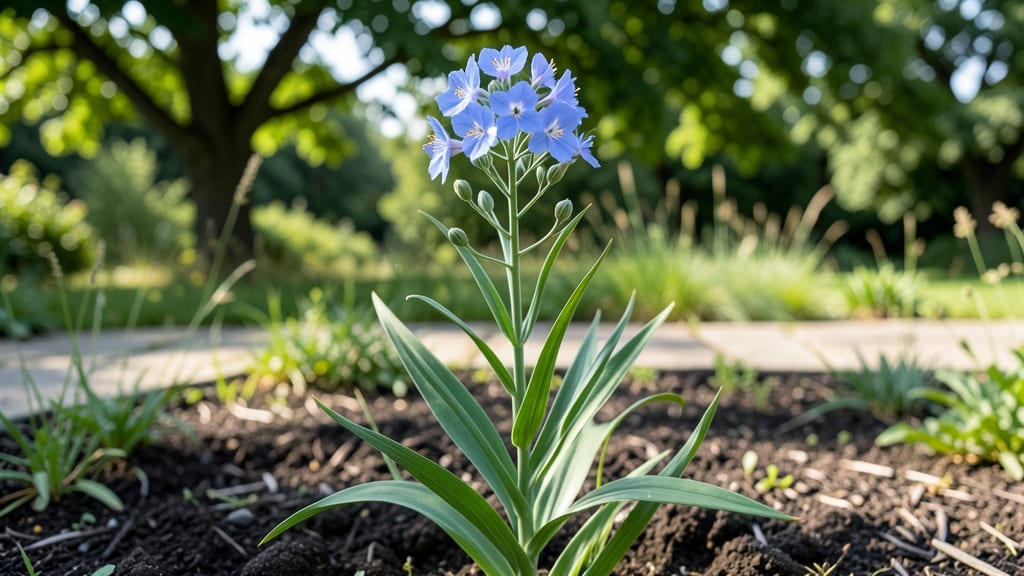
Cold-stressed roots make flax seed flowers shockingly resilient. 🌱 I’ve grown these delicate-looking blooms through two winters in my Zone 5 garden, and they’ve outlasted far tougher annuals.
The secret lies in their ability to handle frost—even when planted early—and their preference for lean, well-drained soil that mimics their native prairie conditions. You’ll need just three things: a sunny spot (6+ hours of light), loose soil (amend with sand if yours is heavy), and a sprinkle of patience.
Flax thrives in poor soil, so don’t over-fertilize—it’s the opposite of most flowers. Seedlings pop up in 7-10 days, and by mid-summer, you’ll have blue-green foliage and clusters of sky-blue blooms that bees adore. The real magic happens when you let them self-seed.
Left undisturbed, they’ll return year after year, popping up where they please—proof that flax doesn’t need coddling. Harvest seeds in late summer for linseed oil or let them dry on stems for next year’s crop. Perfect for cottage gardens, pollinator patches, or even container edges.
Here’s how to grow them without fuss!
📚 In This Guide
- What you need
- Instructions
- Tips and common mistakes
- Wrapping up and next steps
What you need
- ● Flax seeds: 1–2 lbs (organic, untreated seeds for best results). Look for Linum usitatissimum varieties like 'Golden Flax' or 'Stella' for vibrant blooms.
- ● Well-draining soil: 5–10 gallons of a mix of 60% potting soil, 30% perlite, and 10% compost (or use existing garden soil amended with compost).
- ● Containers or garden bed: For containers: 5–7 inch pots (1–2 seeds per pot) or a shallow tray (for direct sowing).
- ● For garden beds: A sunny, open area with loose, well-aerated soil (avoid heavy clay).
- ● Watering can or hose with a gentle spray nozzle.
- ○ Cold frame or cold-hardy greenhouse (optional but helpful): To simulate cold-stress conditions for hardier plants.
- ○ Gloves (optional): To protect hands from soil and seeds.
- ● Small hand trowel or spoon: For planting seeds at a depth of ¼ inch.
- ● Plant labels: To track varieties (especially if growing multiple types).
- ○ Fertilizer (optional): A balanced, low-nitrogen fertilizer (5-10-10) for established plants.
- ○ Pruning shears (optional): For deadheading spent blooms to encourage more flowers.
Step-by-step instructions for growing flax seed flowers
Here's how I grow sturdy flax plants that thrive even in cooler climates.
🌱 Step 1: Start Seeds Indoors 6-8 Weeks Before Last Frost
Fill small pots with seed-starting mix and plant flax seeds ¼ inch deep. Press them gently into the soil so they make good contact—this ensures consistent germination. I like to place them in a seedling heat mat set to 70-75°F because flax seeds germinate best in warm soil.
Keep the soil consistently moist but not soggy. A spray bottle works best to avoid disturbing the tiny seeds. Cover the pots with plastic wrap or a humidity dome to maintain warmth and moisture. You should see sprouts in 7-14 days—watch for the first green tips breaking through the soil surface.
☀️ Step 2: Provide Bright Light and Gradual Hardening
Once seedlings emerge, move them to a sunny windowsill or under grow lights for 12-14 hours daily. Flax plants need plenty of light to prevent leggy growth. If you notice stems stretching toward the light with large gaps between leaves, your light source is too far away—adjust it to within 4-6 inches of the plants.
After 2-3 weeks, when seedlings have 2-3 sets of true leaves, begin hardening them off. Start by placing them outside in a sheltered spot for 1-2 hours the first day, gradually increasing their outdoor time by 1 hour daily over 10-14 days. This prepares them for cooler outdoor temperatures and prevents transplant shock.
🪴 Step 3: Transplant Outdoors After Frost Danger
Choose a location with full sun to partial shade—flax tolerates cooler temperatures better than many flowers. Space plants 6-12 inches apart in well-draining soil. If your soil is heavy clay, mix in a little compost to improve drainage. Flax roots are shallow, so avoid overworking the soil.
Water the plants gently after transplanting to help settle the soil around the roots. Avoid wetting the foliage to prevent disease. In cooler climates, flax thrives in temperatures as low as 40°F, making it a great choice for early spring or fall planting.
💧 Step 4: Maintain Water and Watch for Blooms
Water flax plants 1-2 times per week, depending on rainfall, keeping the soil evenly moist but not waterlogged. You'll know it's time to water when the top 1 inch of soil feels dry. Flax is drought-tolerant once established, but consistent moisture encourages stronger growth.
Blooms typically appear 60-70 days after transplanting, depending on your climate. The flowers are delicate and blue, often used in linens and textiles. If you notice the stems becoming woody or the leaves yellowing, it may be time to harvest the seeds or let the plants go to seed naturally.
Tips & tricks for growing hardy flax seed flowers
A few simple adjustments can make all the difference when nurturing flax from seed to bloom.
Seed Starting: I've found that using a seedling heat mat at 70-75°F isn't just about speed—it's about consistency. Flax seeds germinate best when soil stays within this range day and night. If you don't have a heat mat, place your pots on top of your refrigerator (not inside) for gentle warmth. The key is maintaining that steady temperature until sprouts appear in 7-14 days.
Light Management: Those 12-14 hours of daily light are non-negotiable for preventing leggy seedlings. I position my grow lights just 4-6 inches above the plants and raise them gradually as the seedlings grow. A simple trick: if you notice stems stretching toward the light with large gaps between leaves, you're too far away. Adjust immediately—this is your only warning sign!
Hardening Strategy: The gradual hardening process over 10-14 days is where most people rush. Start conservatively with just 1-2 hours outside on the first day, even if your weather seems mild. Flax plants are sensitive to sudden temperature changes, and this slow introduction prevents transplant shock. Think of it like acclimating yourself to a cold plunge pool—you wouldn't jump in immediately, would you?
Soil Preparation: Flax roots are shallow but sensitive to waterlogging. If your garden soil is heavy clay, mix in compost before planting to improve drainage. I like to create small mounds rather than planting in flat ground—this helps water drain away from the roots more efficiently. The goal is to mimic their natural habitat where water doesn't pool around their delicate root systems.
Pro Tips for Flax Seed Flower
- A few simple adjustments can make all the difference when nurturing flax from seed to bloom.
- Seed Starting: I've found that using a seedling heat mat at 70-75°F isn't just about speed—it's about consistency.
- Light Management: Those 12-14 hours of daily light are non-negotiable for preventing leggy seedlings.
Frequently asked questions
Got questions about growing flax seed flowers? You’re not alone! Here are some of the most common queries—and their straightforward answers—to help you cultivate a thriving crop with confidence.
How long does it take for flax seed flowers to grow from seed?
Flax seed flowers are fast growers! From planting, you’ll see sprouts in 5–10 days and delicate blue or white blooms in just 6–8 weeks. Cold-hardy varieties may take slightly longer in chilly climates, but they reward patience with early spring color.
Can flax seed flowers survive frost?
One of their superpowers is cold tolerance. Flax thrives in temperatures as low as 20°F (-7°C) and often self-seeds after frost. Plant in early spring or late summer for a resilient display—just ensure well-drained soil to prevent rot.
What’s the best companion plant for flax seed flowers?
Flax plays nicely with low-competition neighbors like lettuce, spinach, or radishes. Avoid planting near potatoes or tomatoes, as flax may stunt their growth. For pollinators, pair it with clover or marigolds—but keep spacing wide (12–18 inches apart) to prevent overcrowding.
Why aren’t my flax seed flowers blooming?
No blooms? Check these fixes:
- Light: Flax needs full sun (6+ hours/day). Move pots or thin seedlings if shaded.
- Soil: Poor drainage or heavy clay? Amend with compost to improve aeration.
- Over-fertilizing: Flax is low-maintenance—too much nitrogen = leafy stems, no flowers.
If issues persist, try a fresh batch of seeds—they’re cheap and easy to replace!
Can I harvest flax seed flowers for seeds?
Yes! Let some flowers fully mature and dry on the stalk (they’ll turn brown). Snap off seed heads, then rub them in your hands to release seeds. Store in a cool, dry place for up to 2 years. Pro tip: Wear gloves—flax seed pods can be prickly!
Wrapping up and next steps
Growing flax seed flowers is a rewarding journey—especially when you embrace their cold-hardy nature! 🌱 With the right soil, spacing, and care, you’ll soon enjoy their delicate blooms and resilient roots. Whether you’re a seasoned gardener or a curious beginner, these tips will help you cultivate thriving plants with ease.
Ready to take the next step? Start small—plant a few seeds in a sunny spot this season and watch your garden flourish. Happy growing! 🌿