
Lawn
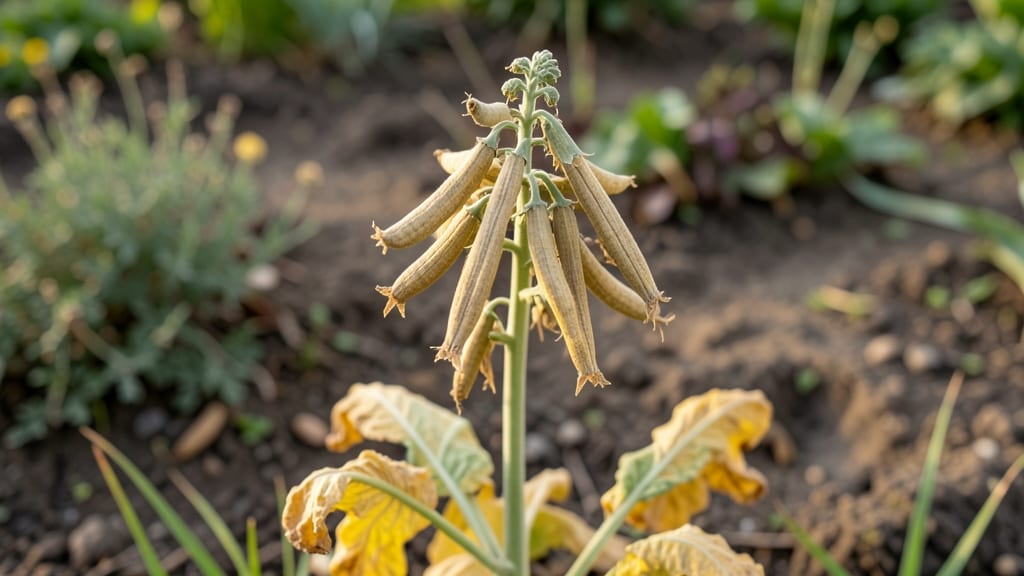
Harvesting lettuce seed pods turns your spring harvest into next year’s garden foundation. 🌱 The key is letting your plants bolt—yes, even those perfect salad leaves—because those bitter stems hold the future of your garden in tiny, golden pods.
Start by choosing bolt-resistant varieties like Romaine or Buttercrunch, which handle heat better than delicate leaf types. Once plants bolt, watch for seed heads to form: they’ll start as tight buds, then swell into dry, papery pods.
Timing matters—collect them when they turn golden brown and rattle with seeds inside, usually 6-8 weeks after bolting.
Drying and storing seeds is simple: twist open mature pods, shake seeds into a paper bag, then let them dry for 3-5 days in a warm, dry spot.
Store in an airtight container in the fridge for up to 3 years, and you’ll have a free, homegrown supply ready for next spring’s first sowings.
Common challenges include uneven bolting (too hot or too cold speeds it up) or seed pods shattering before you’re ready. To prevent this, harvest pods in the morning when humidity’s low, and use a mesh bag to catch stray seeds.
With practice, you’ll master the rhythm of seed saving—and your garden will thank you for it.
📚 In This Guide
- What you need
- Instructions
- Tips and common mistakes
- Wrapping up and next steps
What you need
- ● Mature lettuce plants: Choose loose-leaf or romaine varieties (avoid butterhead or iceberg—they bolt too quickly). Let them flower naturally in your garden.
- ● Seed pods: Harvest when pods turn brown and papery (usually 60–90 days after planting). Aim for 5–10 pods per variety for a reliable seed supply.
- ● Paper bags or brown lunch bags: 1–2 per plant (or use newspaper for drying). Avoid plastic—it traps moisture!
- ● Scissors or pruning shears: For cleanly snipping stem-attached pods (leave 1–2 inches of stem for drying).
- ● Labeling tags or masking tape + marker: To tag each bag with variety name and harvest date.
- ● Seed envelope or glass jar: For long-term storage (airtight preferred).
- ● Desiccant packets (silica gel): Place 1–2 in storage containers to absorb moisture.
- ○ Fine-mesh strainer or sieve: For cleaning seeds from dried pods (optional if pods are crispy).
- ● Humidity monitor: Ideal for storing seeds in cool (35–40°F), dry (.
- ● 🌿 Patience: Wait until pods are fully brown and dry (don’t rush—green pods won’t yield viable seeds!).
- ● ☀️ Dry weather: Harvest on a sunny, low-humidity day to prevent mold.
- ● 📅 Seasonal timing: Plant lettuce in early spring or late summer to avoid bolting in heat.
Step-by-step instructions for harvesting and storing lettuce seed pods
Here's how to save next year's lettuce seeds from your garden—simple, reliable, and perfect for beginners.
🌱 Step 1: Identify and Select Mature Lettuce Plants
Choose healthy lettuce plants that have bolted—this means they've sent up tall flower stalks instead of producing leaves. Look for stalks that are at least 12-18 inches tall with fully formed seed pods at the top. Avoid plants that look stressed or diseased, as their seeds may not grow true.
Let the seed pods mature fully on the plant. They'll start as tight green buds and gradually turn brown and papery as they dry. When pods feel crispy to the touch and open easily when squeezed, they're ready for harvest. This usually takes 4-6 weeks after bolting, depending on your climate.
🌿 Step 2: Harvest Seed Pods at Peak Ripeness
On a dry, sunny day, carefully cut the entire seed stalk with clean shears or scissors, leaving about 2 inches of stem attached. Hold the stalk upside down over a clean bucket or paper bag to catch any seeds that may fall out during handling. You'll know pods are perfectly ripe when they release seeds easily with a gentle touch.
I like to harvest in the morning when humidity is low. This prevents moisture from causing premature seed sprouting or mold growth. Avoid harvesting after rain, as wet pods can rot or attract pests during storage.
🪴 Step 3: Dry Seed Pods Properly for Storage
Hang the harvested stalks upside down in a dry, well-ventilated area. I use a clothesline or a hook in my garage where air circulates freely. The pods need 2-3 weeks to fully dry—you'll know they're ready when they're completely brittle and crumble easily between your fingers.
For faster drying, you can spread the pods in a single layer on a screen or paper towel in a warm, dry spot. Just be sure to stir them occasionally to prevent mold from forming on the undersides. Never use a microwave or oven—heat will kill the seeds' viability.
⏰ Step 4: Extract and Store Seeds Correctly
Once fully dry, gently rub the seed pods between your fingers or tap them lightly over a clean piece of paper. The seeds will fall out while the chaff remains behind. Use a fine-mesh strainer or breath of air to separate the seeds from any remaining debris. Store the clean seeds in a paper envelope or small glass jar.
Label each container with the lettuce variety and the harvest date. Store in a cool, dark place where temperatures stay between 35-50°F. Properly stored lettuce seeds remain viable for 2-4 years, though germination rates drop after the first year.
💧 Step 5: Test Seed Viability Before Next Season
Before planting next year, conduct a quick germination test. Moisten a paper towel, place 10 seeds on it, and fold it in half. Keep in a warm spot for 5-7 days. If at least 50% of seeds sprout, your stored seeds are still good to use. If germination is poor, you may need to source fresh seeds.
This simple test saves you from planting dozens of non-viable seeds. I always do this in early spring so I know exactly when to start my seedlings indoors. It's a small step that prevents a lot of frustration later.
Tips & tricks for perfect lettuce seed pod preservation
Saving lettuce seeds takes patience, but these little tricks make all the difference between viable seeds and wasted effort.
Timing is Everything: The 4-6 week window after bolting is critical—don't rush it! I've learned the hard way that harvesting too early means immature seeds that won't germinate. Test readiness by gently squeezing pods: if they crumble easily and release seeds, they're perfect. If they're still firm, wait another week. This simple check saves hours of frustration later.
Drying Secrets: For the 2-3 week drying period, I've found that a well-ventilated garage with natural airflow works best. If you're short on time, spread pods on a screen in a warm, dry spot (like a sunny windowsill) and stir them every few hours to prevent mold. Just remember: never use heat sources—even a warm oven will kill viability. Think of it like making tea leaves dry slowly for the best flavor.
Storage Wisdom: That 35-50°F temperature range isn't just arbitrary—it mimics the cool, dark conditions of a root cellar. I store my seeds in glass jars with silica gel packets to absorb any lingering moisture. For extra protection, add a small piece of unbleached paper towel to soak up any humidity that might develop. Labeling with the variety and date is non-negotiable—next year's you won't remember which seeds are which!
Pro Tips for Lettuce Seed Pods
- Saving lettuce seeds takes patience, but these little tricks make all the difference between viable seeds and wasted effort.
- Timing is Everything: The 4-6 week window after bolting is critical—don't rush it!
- Drying Secrets: For the 2-3 week drying period, I've found that a well-ventilated garage with natural airflow works best.
Frequently asked questions
Got questions about saving lettuce seed pods for next season? You’re in the right place! Here are answers to the most common queries—from timing to troubleshooting—to help you master the dry-and-store method with confidence.
How do I know when lettuce seed pods are ready to harvest?
Harvest seed pods when they turn tan or light brown and feel dry to the touch. If they’re still green or slightly moist, they need more time (usually 10–14 days after flowering). Avoid harvesting in damp conditions—wait for a dry, sunny day to prevent mold.
Can I save seeds from store-bought lettuce?
Unfortunately, no. Most commercial lettuce varieties are bred for flavor and texture, not seed viability. For reliable seeds, use heirloom or open-pollinated varieties labeled for seed saving. Check the seed packet or plant tag for "seed saved" designations.
What’s the best way to dry lettuce seed pods at home?
After harvesting, spread pods in a single layer on a paper towel or mesh screen in a cool, dry, well-ventilated area (like a garage or basement). Avoid direct sunlight or heat sources—aim for 1–2 weeks of drying time. Stir them gently every few days to speed up the process.
Why are my lettuce seed pods getting moldy or slimy?
Mold or sliminess usually means high humidity or moisture during drying. To fix it:
- Move pods to a drier location (e.g., a dehumidifier area or sealed container with silica gel).
- Discard any moldy pods immediately to prevent spread.
- Ensure pods are fully dry before storing—rub two together; if they make a rattling sound, they’re ready.
How long can I store lettuce seeds, and how should I keep them?
Properly dried seeds stay viable for 2–4 years if stored correctly. Use airtight containers (like glass jars or envelopes) with a desiccant packet to absorb moisture. Store in a dark, cold place (like a fridge or root cellar) for maximum longevity.
Wrapping up and next steps
Harvesting and drying lettuce seed pods is a rewarding way to ensure next year’s garden thrives with fresh, homegrown blooms!
By following the simple dry-and-store method, you’re not just saving money—you’re connecting with the cycle of nature and reducing waste. Now that you’re equipped with the know-how, why not gather those pods and start your seed-saving journey today?
🌱 Next step: Grab a pair of scissors, pick a sunny day, and begin harvesting! Share your progress with fellow gardeners—your success might inspire others to try it too.