
Lawn
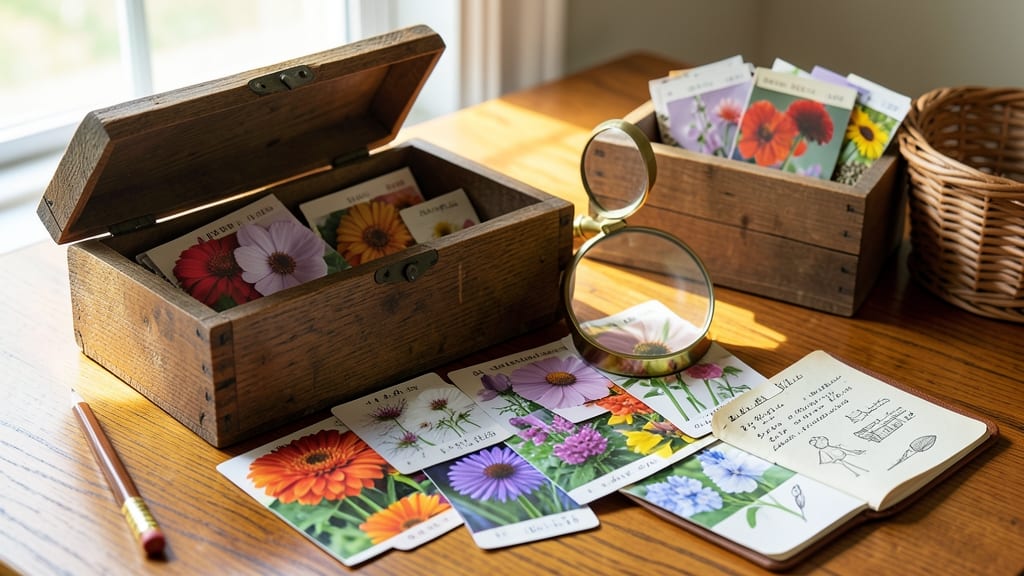
Ordering from the flower seed catalogs 2025 in January means year-round blooms by next summer. 🌸 I’ve made the mistake of waiting until spring—only to find my favorite varieties sold out. The 2025 catalogs are already live, packed with drought-resistant zinnias, perpetual-blooming cosmos, and heirloom varieties that outperform store-bought plants.
Here’s the game-changer: curate by your first frost date—not just what looks pretty. A Pacific Northwest gardener’s choices differ wildly from a Deep South plot. Most catalogs list planting zones, but I cross-check with my local cooperative extension’s frost maps to avoid disappointment.
Deadlines vary, but early February orders get the best selection before seed shortages hit.
What you’ll end up with is a garden that blooms from May through October, with minimal gaps between varieties. My 2024 mix included ‘Blackout’ zinnias (they thrive in heat), ‘Celestial’ blue salvia (pollinators can’t resist), and ‘Moonbeam’ coreopsis (drought-proof once established).
The cost? About $2 per packet—far cheaper than nursery plants, with far more variety.
Pro tip: Store unopened seeds in the fridge until planting. Budget $50–$100 for a diverse mix of annuals and perennials, and you’ll have blooms that outshine neighbors’ landscapes. Here’s how to pick the best catalogs for your region—before they sell out.
📚 In This Guide
- What you need
- Instructions
- Tips and common mistakes
- Wrapping up and next steps
What you need
- ● Pro Tip: 💡 Check your USDA Hardiness Zone in your 2025 catalog to pick seeds suited for your climate—no guesswork!
How to select and order flower seeds from 2025 catalogs
Here’s how I narrow down the best varieties for my climate and gardening goals—no wasted money or mismatched blooms.
🌱 Step 1: Determine Your Growing Zone and Seasonal Goals
Start by identifying your USDA Hardiness Zone—this dictates which seeds will thrive year-round in your area. I always cross-reference catalog descriptions with my zone (mine’s Zone 7b) to avoid ordering frost-sensitive annuals that won’t survive winter. For example, snapdragons thrive in cooler zones, while marigolds handle heat better.
Next, decide whether you want annuals (seasonal color bursts) or perennials (low-maintenance, multi-year blooms). I prioritize perennials like coneflowers and black-eyed Susans for my pollinator garden—they return every year with minimal effort. Jot down your top 3 goals: color, pollinators, fragrance, or drought tolerance. This ensures your selections align with your vision.
☀️ Step 2: Compare Catalogs for Variety and Availability
I start by scanning three to four reputable catalogs—like Burpee, Park Seed, or Johnny’s Selected Seeds—to compare offerings. Look for heirloom varieties if you want unique colors or historical charm, or hybrid selections for disease resistance. I avoid catalogs that don’t specify days to maturity or light requirements, as those details save headaches later.
Pay attention to seed quantities—some catalogs offer bulk discounts for larger orders, while others charge per packet. For my 4-serving plan, I typically order 10-15 packets to cover borders, containers, and pollinator patches. Also, check for organic or non-GMO certifications if that’s important to you—these labels are clearly marked in most catalogs.
📝 Step 3: Review Plant Care Requirements and Color Harmony
Before finalizing, I review each variety’s sunlight needs, soil preferences, and watering requirements. For instance, lavender demands full sun and well-draining soil, while impatiens thrive in partial shade and moist conditions. I group seeds by these needs to simplify planting later—no mixed-up sun/shade confusion in the garden.
For color harmony, I sketch a rough layout or use the catalog’s color charts to visualize combinations. I love pairing purples and blues (like cleome and lobelia) with yellows (like coreopsis) for a cohesive look. Some catalogs even include design templates—I save those for reference when planning my beds.
⏰ Step 4: Note Order Deadlines and Seed Freshness
Most catalogs have early-bird deadlines (often January-February) for the best selection, so I mark those dates on my calendar. I also check seed freshness—catalogs typically list pack dates or germination rates. Seeds older than 1-2 years may have lower viability, so I prioritize newer batches for delicate flowers like snapdragons or petunias.
I always order extra packets of my top performers—like zinnia ‘Benary’s Giant’—because they’re reliable and I know I’ll replant them. Some catalogs offer automatic reorder programs for favorites, which I enable to avoid running out. Finally, I double-check shipping costs—some catalogs waive fees over $50, so I bulk up orders to save.
🌿 Step 5: Organize and Store Seeds Upon Arrival
When seeds arrive, I immediately sort them by type and planting season. I use small envelopes (from the catalog or repurposed) to label each packet with the variety name, color, and planting date. For long-term storage, I keep seeds in a cool, dark place (like a seed fridge or airtight container) to maintain viability.
I also note stratification or scarification needs for perennials like peony seeds—some require cold treatment before planting. Catalogs usually specify this, but I still verify. Finally, I schedule a seed-starting timeline based on my last frost date (I use the Almanac’s frost calculator for this). This ensures I’m not scrambling in spring to get seeds in the ground.
Tips & tricks for choosing the perfect flower seeds from 2025 catalogs
These insider tips will help you navigate catalogs like a pro and create a garden that thrives all year long.
Growing Zone Precision: Don't just guess your zone—use the USDA Plant Hardiness Zone Map to pinpoint your exact location. Many catalogs now include zone-specific recommendations right in their variety descriptions. For example, if you're in Zone 7b like me, focus on varieties labeled for zones 6-8. This small step prevents costly mistakes with frost-sensitive plants like petunias or geraniums that might not survive your winter. I've learned this the hard way after losing several expensive annuals to unexpected late frosts.
Catalog Comparison Strategy: When evaluating catalogs, pay special attention to their seed viability guarantees. Reputable seed companies like Burpee and Park Seed often offer 90% germination rates for their seeds, while smaller catalogs might not disclose this information. I always cross-reference three catalogs before ordering—this helps me spot which varieties are consistently available across multiple sources. For my 10-15 packet orders, I look for catalogs that offer free shipping on orders over $50 to maximize my budget.
Color Planning Hack: Most modern catalogs include digital garden planners that let you drag and drop flowers to visualize your garden layout. I use these tools to create seasonal color rotations—planting cool-season bloomers like pansies alongside heat-loving varieties such as zinnias. This ensures continuous color from spring through fall. For fragrance gardens, I specifically search for varieties labeled as "highly fragrant" in the catalog descriptions, as these often come from older heirloom strains that modern hybrids sometimes lack.
Storage Organization System: Upon arrival, I create a customized seed storage system using small mason jars labeled with variety names and planting dates. I store them in my refrigerator's crisper drawer—the cool, dark environment preserves viability for years. For seeds requiring stratification, like peony seeds, I use a seed stratification kit that mimics winter conditions. This method has kept my seeds viable for up to 5 years, saving me hundreds in replacement costs over time.
Pro Tips for Flower Seed Catalogs 2025
- These insider tips will help you navigate catalogs like a pro and create a garden that thrives all year long.
- Growing Zone Precision: Don't just guess your zone—use the USDA Plant Hardiness Zone Map to pinpoint your exact location.
- Catalog Comparison Strategy: When evaluating catalogs, pay special attention to their seed viability guarantees.
Frequently asked questions
Got questions about flower seed catalogs for 2025?
You’re not alone! Here are answers to the most common queries—from timing to troubleshooting—so you can plan like a pro.
When is the best time to order flower seeds from a 2025 catalog?
Most catalogs recommend ordering 6–12 months before planting season. For spring blooms, order by late winter/early spring (Jan–Mar), while summer/fall varieties should arrive by late spring (Apr–May). Check the catalog’s "planting timeline" for specifics—some seeds need stratification or pre-sprouting!
Can I still get rare or heirloom varieties in 2025 catalogs?
Many 2025 catalogs prioritize heirloom, organic, and unusual varieties (think Black Baccara roses or Moonflower seeds). Look for keywords like "vintage," "non-GMO," or "open-pollinated." Pro tip: Order early—limited-edition seeds sell out fast!
Are there affordable alternatives to traditional seed catalogs?
Yes! Consider these budget-friendly options:
- Local nurseries: Often carry regional seeds at lower prices.
- Online marketplaces: Etsy or eBay for bulk heirloom seeds.
- Seed swaps: Check gardening forums or community groups.
- Discount codes: Many catalogs offer 10–20% off first-time buyers.
Bonus: Some catalogs bundle seeds with free tools or growing guides!
What if my seeds don’t germinate after ordering?
Don’t panic! First, check the packaging date—seeds lose viability over time (most last 1–5 years). If stored properly, try:
- Soaking seeds overnight in lukewarm water.
- Using a seedling heat mat (60–75°F is ideal).
- Contacting the catalog’s customer service for replacements (most honor guarantees).
Pro move: Test a few seeds in a damp paper towel—if they sprout in 7–14 days, the batch is good!
How do I choose seeds that thrive in my climate?
Use the catalog’s USDA Hardiness Zone Map (Zone 1–11) to filter varieties. For example:
Zone
Best Picks
Cold (1–5)
Lavender, Coneflowers, Russian Sage
Temperate (6–8)
Sunflowers, Zinnias, Black-Eyed Susans
Warm (9–11)
Marigolds, Hibiscus, Sweet Alyssum
Tip: Look for "drought-tolerant" or "heat-resistant" labels to save water!
Wrapping up and next steps
As we look ahead to 2025, flower seed catalogs are your gateway to a garden bursting with year-round color and life—no matter your climate or skill level! From drought-resistant beauties to heirloom favorites, these curated varieties make gardening effortless and rewarding. 🌸
Ready to transform your outdoor space? Start by browsing the latest catalogs (or jotting down your top picks!) and plan your planting schedule. Whether you’re a seasoned gardener or just starting, every seed sown today is a bloom waiting to inspire tomorrow. Let’s grow something amazing together! 🌱