
Propagation
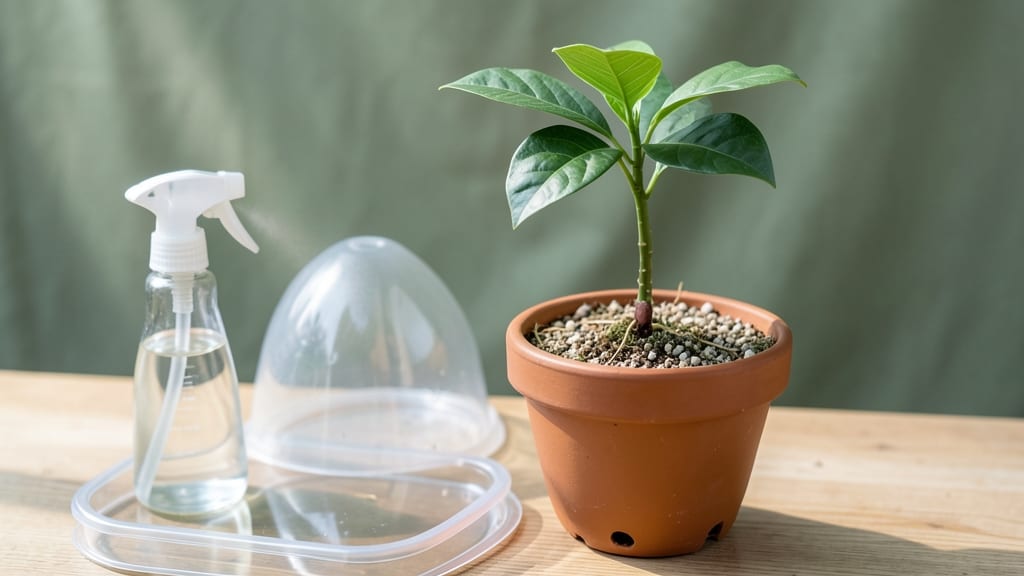
Growing a mango tree from seed indoors turns your kitchen counter into a tropical adventure. 🌱 The journey starts with a single pit from your favorite store-bought mango, and with the right care, you could be nurturing a tree that one day produces fruit—even if you live in a cold climate.
My first attempt sprouted within weeks, proving that patience and a sunny windowsill are all you truly need.
You'll need just a handful of supplies: a ripe mango, a small pot with drainage, well-draining soil mix, and a spray bottle for humidity. The real magic happens in the germination stage—keeping the seed moist and warm until those first leaves appear.
Most seeds sprout within 2-4 weeks, but some take longer, so don’t rush the process. Once the seedling is a few inches tall, it’s ready to transition into a larger pot and begin its indoor life.
The key to success lies in mimicking its tropical roots: bright, indirect light, consistent warmth (around 70-80°F), and occasional misting to maintain humidity. You’ll watch it grow from a tiny sprout into a lush, leafy tree over the years—though fruit may take 5-10 years or longer.
The reward? A living piece of the tropics, even in the heart of winter.
Troubleshooting is part of the fun—yellowing leaves often mean too much water, while slow growth might signal a need for more light. With each season, your tree will teach you patience and the joy of long-term gardening. Ready to start your tropical journey?
📚 In This Guide
- What you need
- Instructions
- Tips and common mistakes
- Wrapping up and next steps
What you need
- ● Mango seed: 1 fresh, viable seed (from a ripe, organic mango—avoid hybrid varieties if you want true mango fruit later).
- ● Small pots: 2-3 (4–6 inches in diameter) with drainage holes. Tip: Plastic or terracotta works—just ensure they’re clean!
- ● Well-draining potting mix: 1 bag (look for a blend labeled "seed starting" or "cactus/succulent mix" for extra airflow).
- ● Spray bottle: 1 (for gentle watering—no drowning your seedling!).
- ● Plastic wrap or clear lid: 1 (to create a mini greenhouse effect).
- ● Grow lights or sunny windowsill: Access to 6–8 hours of indirect light daily (south-facing windows are ideal).
- ● Fertilizer: Balanced, water-soluble fertilizer (e.g., 10-10-10) for later stages.
- ● Seedling heat mat: 1 (speeds up germination if your home is chilly).
- ● Humidity dome: 1 (keeps moisture levels perfect for sprouting).
- ● Larger pot (10–12 inches): 1 (for transplanting once roots fill the starter pot).
- ● Pruning shears: Small pair (for shaping the tree as it grows).
- ● Moisture meter: 1 (to check soil hydration without overwatering).
Step-by-step instructions for growing mango trees from seed indoors
Here's how to nurture your own tropical mango tree from a seed—no green thumb required.
🌱 Step 1: Select and Prepare the Seed
Choose a fresh mango with a seed that feels firm and heavy for its size. The riper the fruit, the better the germination odds. I like to pick seeds from varieties like 'Keitt' or 'Haden' for their sweetness and disease resistance. Once you've got your seed, rinse it gently under cool water to remove any fruit residue.
Here's the thing—mango seeds have a hard outer shell. To speed up germination, I soak the seed in warm water for 24 hours before planting. This softens the shell just enough for the root to break through. Place the seed in a small container with enough water to cover it completely, and let it sit in a warm spot like the top of your fridge.
🪴 Step 2: Plant the Seed in a Moist Growing Medium
Fill a 4-inch diameter pot with a well-draining mix of 50% potting soil and 50% perlite or coarse sand. This blend prevents the seed from rotting while still holding enough moisture for germination. Moisten the mix until it feels like a damp sponge—squeeze it gently, and just a few drops of water should come out.
Plant the seed 1 inch deep, with the wider end facing downward. The seed's natural shape gives it away—it's flat on one side and rounded on the other. Cover it lightly with the soil mix, pressing down just enough to secure it. Don't pack it down too firmly, or the seedling will struggle to push through later.
💧 Step 3: Provide Warmth and Humidity for Germination
Mango seeds need warmth to germinate, ideally between 75-85°F. I place the pot inside a clear plastic bag or under a glass cloche to trap humidity. This creates a mini greenhouse effect, which helps the seed stay moist and warm. Set the pot in a spot where the temperature stays consistent—like on top of your refrigerator or near a sunny window.
Keep the soil moist but not soggy. Check it every 2-3 days and mist lightly with water if the top inch feels dry. Germination can take anywhere from 2-6 weeks, so patience is key. You'll know it's working when you see a tiny white root appear first, followed by a sprout breaking through the soil.
☀️ Step 4: Move to Bright, Indirect Light
Once the seedling emerges, remove the plastic cover immediately to prevent mold. Place the pot in a spot with bright, indirect light—like a south or west-facing window. Direct sunlight can scorch the delicate young leaves, so avoid placing it in harsh midday rays. If your home doesn't get much natural light, supplement with a grow light kept 6-12 inches above the plant.
You'll notice the seedling's first leaves are large and glossy—these are called cotyledons. They're not true leaves but serve as the plant's first food source. Once the first set of true leaves appears (they'll look smaller and more complex), it's time to start thinking about repotting. This usually happens after 4-6 weeks of growth.
🪴 Step 5: Repot and Encourage Healthy Growth
When the seedling reaches 6-8 inches tall, it's time to move it to a 6-inch pot filled with a well-draining potting mix. Gently remove it from the old pot, being careful not to damage the roots. If the roots are tangled or circling, you can tease them apart lightly with your fingers. This step ensures the seedling has room to grow without becoming root-bound.
Water the seedling thoroughly after repotting, and place it back in bright, indirect light. Mango trees love humidity, so I like to mist the leaves occasionally or place the pot on a tray filled with pebbles and water. Just make sure the pot isn't sitting in standing water—mango trees hate soggy roots. With proper care, your seedling will grow into a lush, tropical-looking tree in no time!
Tips & tricks for growing mango trees indoors
Let me share the secrets I've learned from growing mango trees from seed—these little details make all the difference between a struggling plant and a thriving tropical beauty.
Seed Selection Matters: Don't just grab any mango seed! Choose seeds from ripe, organic fruit when possible—they're less likely to carry pesticides that could inhibit germination. I've found that seeds from varieties like 'Keitt' or 'Haden' germinate more reliably than others. If you're using store-bought mangoes, rinse the seed thoroughly to remove any fruit residue that could attract mold.
Germination Environment: The 24-hour soak is your first critical step—don't skip it! Use warm (not hot) water to prevent shocking the seed. For consistent warmth, I place my seed container on top of my fridge during the soaking period. This spot stays reliably warm without risking overheating. After planting, maintain that 75-85°F range by keeping the pot in a warm kitchen corner or near a south-facing window.
Light Transition Strategy: When your seedling emerges, resist the urge to rush it into direct sunlight. Start with bright, indirect light for at least 2 weeks after germination to harden those delicate leaves. I gradually move my seedlings closer to the window over time, watching for subtle color changes in the leaves. This slow transition prevents sunburn and helps the plant develop stronger cell walls.
Pro Tips for Grow A Mango Tree From Seed Indoors
- Let me share the secrets I've learned from growing mango trees from seed—these little details make all the difference between a struggling plant and a thriving tropical beauty.
- Seed Selection Matters: Don't just grab any mango seed!
- Germination Environment: The 24-hour soak is your first critical step—don't skip it!
Frequently asked questions
Got questions?
Growing a mango tree from seed indoors is exciting, but it’s natural to have doubts—especially when it comes to timing, care, and expectations. Below, we’ve tackled the most common queries to help you navigate this tropical adventure like a pro!
How long does it take for a mango seed to sprout indoors?
A mango seed typically sprouts in 2–4 weeks if kept warm (70–85°F) and moist. Patience is key—some seeds take up to 6 weeks! Use a heat mat or sunny windowsill to speed things up. Once the seedling emerges, it’ll grow slowly at first, so don’t rush it.
Will my indoor mango tree ever produce fruit?
Probably not—indoor-grown mango trees from seed rarely fruit because they need years of outdoor conditions, cross-pollination, and tropical climates. However, growing one indoors is still rewarding for its lush foliage and the joy of nurturing a tropical plant! For fruit, consider grafting or buying a young tree.
Can I grow a mango tree indoors year-round, or do I need to move it outside?
Mango trees thrive indoors as long as they get enough light and warmth (65°F+). In winter, supplement with grow lights if natural light is limited. If you live in a warm climate, you can move it outdoors in spring/summer for faster growth—but avoid frost! Most indoor growers keep them inside permanently.
Why is my mango seedling wilting or turning yellow?
Wilting or yellowing leaves usually mean overwatering, underwatering, or poor drainage. Let the top inch of soil dry out between waterings, and ensure the pot has drainage holes. If the soil feels soggy, repot in well-draining mix. Yellow leaves can also signal nutrient deficiency—try a balanced fertilizer once established.
Can I use store-bought mango seeds, or do I need organic ones?
Store-bought seeds work fine! No need for organic—just ensure they’re fresh (from a ripe mango). Avoid seeds treated with chemicals (like those from grocery-store mangoes), but most seeds are safe. Rinse them gently before planting to remove pulp residue. Freshness = higher germination rates!
Wrapping up and next steps
Growing a mango tree from seed indoors is a rewarding journey that brings a touch of the tropics to your home—even in small spaces! 🌱 With patience, the right care, and a little creativity, you’ve got the power to nurture a living piece of nature that could one day bear fruit.
Now that you’re equipped with the know-how, why not take the first step today? Grab that seed, find a sunny spot, and let your green thumb shine!
Remember, every expert was once a beginner. Your mango tree’s adventure starts now—happy growing! 🌟