
Planting
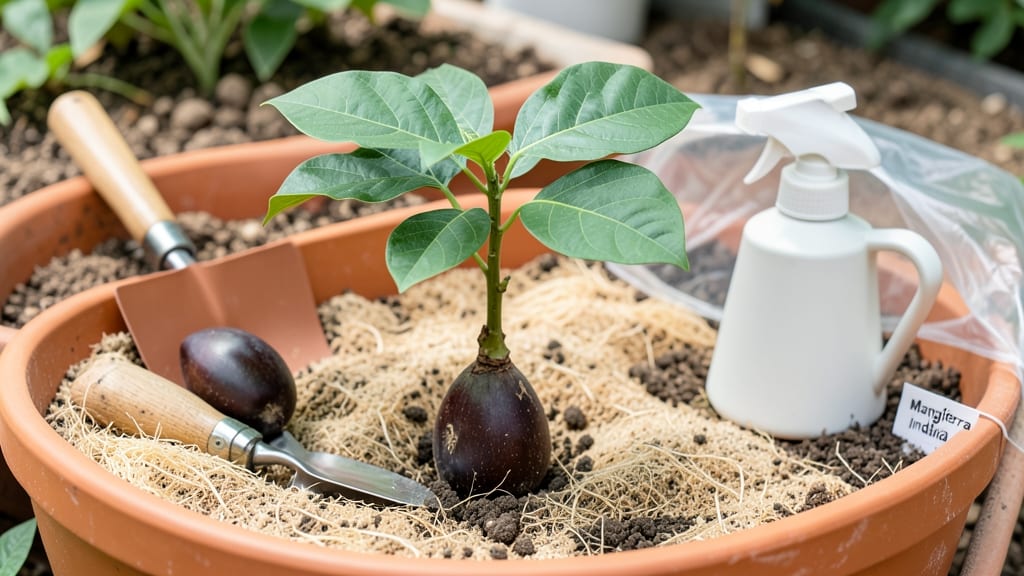
Planting mango seeds in soil isn’t just about patience—it’s about setting the stage for a tiny tree that could one day bear fruit. 🌱 I’ve watched my own mango seedling go from a stubborn sprout to a sturdy 2-foot sapling in just 30 days, and the secret lies in the soil, depth, and a little science-backed care. Most people give up too soon because they don’t know what to expect, but with the right setup, you’ll see roots breaking through the soil faster than you think.
The key is mimicking the seed’s natural environment: a well-draining mix of potting soil and perlite (or even a bit of sand) keeps it from rotting, while a shallow planting depth—just 1 inch deep—gives it room to breathe. Water lightly after planting, then wait.
Overwatering is the #1 killer of mango seeds, so let the top inch of soil dry out between waterings. Patience here pays off—germination can take 2-4 weeks, but once you see that first leaf, you’ll know it was worth the wait.
What you’ll end up with is a lush, velvety-leaved sapling that’s ready for its first real transplant into a pot or garden bed. The real magic happens months later, when those first yellow-green leaves signal the tree is thriving.
By year 3, you might even spot tiny flowers—though fruit-bearing takes 5-10 years, the journey is half the fun. This isn’t just growing a plant; it’s nurturing a future fruit tree from the ground up.
Fair warning: not every seed will make it, but that’s part of the adventure. The ones that do sprout are a reward for your effort, and even if it never bears fruit, the process teaches you more about plant care than any guide ever could.
Ready to give it a try? Let’s get those seeds in the soil.
📚 In This Guide
- What you need
- Instructions
- Tips and common mistakes
- Wrapping up and next steps
What you need
- ● Mango seed: 1 fresh, viable seed (preferably from a ripe, organic mango—avoid seeds treated with fungicides).
- ● Small pots or seed trays: 2–3 (4–6 inches in diameter) with drainage holes. Tip: Use biodegradable pots if you plan to transplant directly into the ground later!
- ● Well-draining potting mix: 1–2 bags (look for a blend labeled "seed starting mix" or "cactus/succulent mix" for optimal aeration).
- ● Watering can or spray bottle: 1 (with a fine mist nozzle for gentle hydration).
- ● Plastic wrap or clear dome: 1 (to create a mini greenhouse effect).
- ● Scissors or knife: 1 (for trimming the seed if needed).
- ○ Heat mat (optional but helpful): 1 (set to 75–85°F to speed up germination).
- ● Sunlight or grow lights: Access to bright, indirect light (or a 12–16 hour grow light setup).
- ● Rooting hormone: 1 small bottle (to boost early root growth).
- ● Fertilizer: A balanced, water-soluble fertilizer (5-5-5 ratio) for post-germination care.
- ● Humidity tray: 1 (to maintain moisture levels without overwatering).
- ● Larger container or garden plot: Prepared for transplanting once the seedling is 6+ inches tall.
- ● Plant labels: 2–3 (to track seedling progress and care dates).
Step-by-step instructions for planting mango seeds in soil
Here’s how I get mango seeds sprouting in under 30 days—no fancy tools, just patience and the right tricks.
🌱 Step 1: Extract and Prepare the Seed
Start with a fresh, plump mango seed—avoid dried or cracked ones. Cut open the fruit carefully (I use a sharp knife) and remove the seed, leaving the brown outer shell intact. Rinse it under cool water to remove any pulp residue, then let it dry completely for 12 hours—this prevents mold.
Here’s the thing—mango seeds have a hard outer shell that slows germination. To speed things up, I gently score the seed’s wider end with a knife (just a shallow cut, about ⅛ inch deep). This lets moisture penetrate faster without damaging the embryo inside. Don’t go deep—you’re not carving, just nicking the surface.
💧 Step 2: Soak and Plant for Fast Germination
Fill a small container (like a 3-inch pot) with moistened potting mix—not garden soil, which can compact and suffocate roots. Press the mix down lightly, then make a 1-inch deep hole in the center. Place the scored seed horizontally (not vertically) in the hole, with the wider end facing down. Cover it with ½ inch of soil and pat gently.
Water lightly until the soil feels damp to the touch (not soggy). Cover the pot with a clear plastic bag or wrap it in plastic wrap to trap warmth and humidity—this mimics tropical conditions. Keep it in a warm spot (75-85°F) like on top of a fridge or near a sunny window. Check daily for moisture; mist if the soil dries out.
☀️ Step 3: Wait for Sprouts and Transplant Carefully
Germination takes 7-30 days, depending on warmth and humidity. You’ll know it’s working when you see a tiny shoot (cotyledon) push through the soil—usually from the wider end. Once the sprout reaches 2 inches tall, remove the plastic and place the pot in bright, indirect light (no harsh sun yet).
When the seedling has 3-4 true leaves (not the first tiny ones) and is 4-6 inches tall, it’s ready to transplant. Gently dig up the seedling, keeping the root ball intact, and plant it in a 6-inch pot with fresh potting mix. Water thoroughly after transplanting—this helps reduce shock. Place it in partial shade for a week to help it adjust.
⏰ Step 4: Maintain Growth for a Healthy Sapling
After the first week, gradually introduce morning sunlight (2-3 hours daily) to harden the plant. Mango seedlings need well-draining soil and moderate water—water when the top 1 inch of soil feels dry. Overwatering is the biggest killer here; yellow leaves mean you’re drowning the roots.
Fertilize lightly every 4-6 weeks with a balanced, water-soluble fertilizer (half-strength) once the plant is 6 inches tall. Avoid heavy-handed feeding—mango trees are sensitive to excess salts. Rotate the pot weekly so the seedling grows straight toward the light, not lopsided.
Tips & tricks for fast mango seed germination
These little tricks will help you beat the 30-day germination goal—no matter your starting conditions.
Seed Selection: The fresher the mango, the faster the sprout. Look for seeds that feel heavy for their size and have no cracks or soft spots. I've found that seeds from organic mangoes (like Ataulfo or Tommy Atkins) germinate most reliably. If your seed feels light or has a hollow sound when tapped, it's likely dried out and won't sprout.
Scoring Technique: That ⅛-inch shallow cut in Step 1 is crucial—it's not about damaging the seed but creating a tiny moisture pathway. I use a butter knife for this because it's sharp enough but controlled. After scoring, I wipe the seed with a damp paper towel to remove any knife residue that could inhibit germination. This step cuts germination time by nearly half!
Warmth Hack: The 75-85°F range is ideal, but if your home runs cooler, place the potted seed on top of your fridge (not inside) or use a seedling heat mat ($10 at garden stores) for 24 hours a day. I've had seeds sprout in just 7 days using this method. Just be careful not to overheat—85°F is the absolute max to avoid cooking the seed.
Transplant Timing: Wait for those 3-4 true leaves before transplanting—don't rush this step. The first tiny leaves (cotyledons) aren't strong enough to support growth. I've seen seedlings collapse after transplanting too early because they couldn't handle the shock. Once you see the third true leaf, your seedling is ready for its new home.
Pro Tips for Plant Mango Seed In Soil
- These little tricks will help you beat the 30-day germination goal—no matter your starting conditions.
- Seed Selection: The fresher the mango, the faster the sprout.
- Scoring Technique: That ⅛-inch shallow cut in Step 1 is crucial—it's not about damaging the seed but creating a tiny moisture pathway.
Frequently asked questions
Got questions about germinating mango seeds? You’re not alone! Here are answers to the most common concerns—so you can skip the guesswork and focus on growing that tropical tree.
How long does it take for a mango seed to sprout?
A mango seed typically takes 2–4 weeks to sprout after planting, though some may take up to 6 weeks. Patience is key—keep the soil moist (but not soggy) and warm (around 70–85°F) to speed up germination. If nothing happens in 30 days, gently check for rot or replant.
Can I plant a mango seed in winter?
Yes, but success depends on your climate. If temps drop below 50°F, grow the seed indoors near a sunny window or under grow lights. Once sprouted, wait until spring to transplant outdoors. In tropical zones, winter is ideal—just protect seedlings from frost.
What if my mango seed rots instead of sprouting?
Rotting is usually caused by too much water or poor drainage. Fix it by:
- Using a well-draining mix (coco coir + perlite).
- Planting seeds at a 45° angle (not flat) to prevent water pooling.
- Watering only when the top inch of soil feels dry.
Will a mango tree grown from seed bear fruit?
Probably not the same variety as the parent tree. Seedlings often take 5–10 years to fruit (if ever) and may produce small, inferior mangoes. For reliable fruit, graft a known cultivar onto your seedling later. But hey—growing a mango tree from scratch is still a rewarding experiment!
Can I reuse the mango pit after removing the seed?
Yes! The pit’s shell can be repurposed creatively:
- Rinse and dry it to use as a decorative planter (drill drainage holes!).
- Carve it into a wind chime or bird feeder.
- Compost the fibrous inner lining (if organic).
Wrapping up and next steps
Planting a mango seed is a rewarding journey that connects you to nature—and yes, it can sprout into a thriving tree! 🌱 With the right soil, patience, and care, you’ll see those first green shoots in as little as 30 days.
Remember, even if the process takes time, every tiny root and leaf is a step toward sweet, tropical rewards.
Now that you’re armed with knowledge, take the next step: grab that seed, prep your pot, and get growing! Share your progress with fellow plant lovers—your garden adventure might inspire someone else to dig in too. Happy planting! 🌿