
Propagation
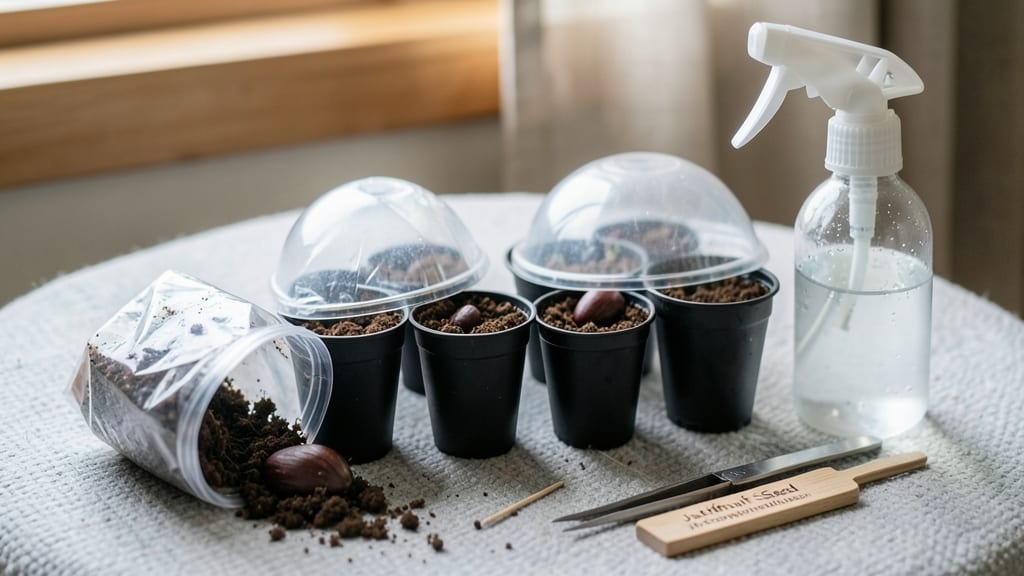
Jackfruit seed germination starts with the right moisture—too dry and they sleep forever, too wet and they rot before sprouting. 🌱 I’ve learned the hard way that these tropical seeds demand patience and a precise balance of dampness, warmth, and air.
The key isn’t just planting them; it’s creating the perfect microclimate where they’ll finally break dormancy after weeks of waiting.
You’ll need a well-draining soil mix (equal parts peat moss and perlite works best), a clear plastic bag to maintain humidity, and a warm spot—think 70-85°F. Plant the seeds just below the surface (about ½ inch deep) and keep the soil consistently moist, not soggy.
Most seeds take 2-4 weeks to sprout, but some stubborn ones may take months—don’t give up too soon.
The moment you see that first tiny shoot, you’ll know it was worth the wait. Those delicate seedlings need bright, indirect light to prevent stretching, and you’ll want to mist them daily to keep humidity high.
Within 3-4 weeks, they’ll have their first true leaves—proof you’ve cracked the code on jackfruit germination.
This method works for both fresh seeds and those stored for a few months, though older seeds may germinate more slowly. The biggest mistake? Letting the soil dry out or overwatering. Stick with this routine, and you’ll have strong, healthy seedlings ready for transplanting in 6-8 weeks.
📚 In This Guide
- What you need
- Instructions
- Tips and common mistakes
- Wrapping up and next steps
What you need
- ● Fresh jackfruit seeds: 5–10 healthy, plump seeds (harvested from ripe fruit). Tip: Soak seeds in warm water for 24 hours before planting to soften the outer shell.
- ● Germination medium: Option 1: Coconut coir (sterilized, 1–2 inches deep in a tray or pot).
- ● Option 2: Potting mix (well-draining, 60% peat/40% perlite or vermiculite).
- ● Option 3: Paper towels (for pre-germination, moistened but not soggy).
- ● Container: Small seedling tray (with drainage holes, 6–8 inches wide).
- ● OR Plastic bag with ventilation holes (for paper towel method).
- ● Spray bottle (for gentle misting; avoid overwatering).
- ● Plastic wrap or humidity dome (to retain moisture during early stages).
- ○ Heating mat (optional but helpful): 70–85°F (21–29°C) range for faster germination.
- ● Grow lights or sunny windowsill: Indirect light (direct sun can scorch young sprouts).
- ● Seedling heat mat (speeds up germination by 2–3 days).
- ● Humidity tray (elevated tray with water + pebbles to boost moisture).
- ● Fungicide spray (prevents mold if seeds sit too wet).
- ● Label markers (to track planting dates and seed varieties).
- ● Transplant pots (3–4 inch pots for seedlings once sprouts emerge).
Step-by-step instructions for germinating jackfruit seeds
Here's how I've cracked the code for reliable jackfruit sprouts—moisture balance is everything.
🌱 Step 1: Select and Prepare the Seeds
Choose large, plump jackfruit seeds with smooth, unblemished shells—they hold the highest germination potential. I like to soak them for 12-24 hours in lukewarm water to soften the tough outer coating. This step is crucial because the seed's natural dormancy makes it stubborn without preparation. You'll know they're ready when they feel slightly lighter and the water stays cloudy from released oils.
After soaking, gently rub the seeds between two towels to remove any remaining pulp. This prevents mold and ensures clean contact with the soil. I always handle them with damp hands to avoid drying out the seed's outer layer—jackfruit seeds are sensitive to moisture loss at this stage.
💧 Step 2: Set Up the Germination Medium
Fill a shallow container with a mix of 50% peat moss and 50% perlite—this combination drains well while retaining enough moisture for germination. I use a 4-inch deep tray because jackfruit seeds need room to develop their initial root system without becoming waterlogged. Moisten the mix until it feels like a damp sponge, squeezing gently to check consistency.
Create small indentations about ½ inch deep and place one seed in each. Cover them lightly with an additional sprinkle of the mix—just enough to obscure the seed but not bury it completely. The goal is to keep the seed in darkness while maintaining consistent moisture. I place a clear plastic dome over the tray to create a humid microclimate, which jackfruit seeds crave during germination.
☀️ Step 3: Provide Warmth and Monitor Moisture
Jackfruit seeds germinate best in warmth between 75-85°F, so I place the tray on a seedling heat mat. This consistent warmth mimics tropical conditions and speeds up germination, which typically takes 14-30 days. You'll see the first signs of life when tiny white roots emerge from the seed—this is your cue that everything is on track.
Check moisture daily by lifting the dome and pressing a finger into the mix. It should feel damp but not soggy—jackfruit seeds rot quickly if overwatered. I mist the dome's interior occasionally to maintain humidity without disturbing the seeds. Once the first sprouts appear, remove the dome immediately to prevent fungal growth, which thrives in high humidity once the seedling is exposed.
🌿 Step 4: Transplant Sprouted Seeds
When the sprout reaches 2-3 inches tall and the first true leaves appear, it's time to transplant. I use 3-inch pots filled with a lighter mix of 60% potting soil and 40% coconut coir for better aeration. Gently remove the sprout from the germination tray, being careful not to damage the delicate root system—jackfruit seedlings are fragile at this stage.
Plant each seedling at the same depth it grew in the germination tray. Water lightly after transplanting to settle the soil around the roots, but avoid soaking the mix. Place the pots in bright, indirect light for the first week to help the seedlings acclimate. You'll notice new growth within 7-10 days if the conditions are right—this is when the seedling starts to resemble a miniature jackfruit tree.
Tips & tricks for perfect jackfruit seed germination
Moisture balance is the secret weapon for jackfruit germination—here's how to nail it every time.
Soaking Strategy: The 12-24 hour soak is non-negotiable for breaking dormancy, but don't rush it. I've learned the hard way that cutting this short leads to seeds that won't sprout. Test readiness by feeling for weight reduction and cloudy water—these are your cues the seed's outer layer is properly softened. For extra insurance, soak in a glass container so you can see sediment settle at the bottom, indicating released oils.
Medium Consistency Check: That "damp sponge" texture in Step 2 is critical—too wet and roots rot, too dry and seeds won't activate. I press my finger into the mix: if water beads form but no moisture drips out, you've got it right. Pro tip: Use a spray bottle to add moisture gradually rather than pouring, which can displace seeds and disrupt the delicate balance we're maintaining.
Temperature Troubleshooting: Your 75-85°F range is ideal, but most homes don't maintain consistent warmth. If your kitchen runs cooler, place the tray on top of your refrigerator (not inside) for gentle radiant heat. For warmer climates, move the tray to a shaded windowsill during the day and bring it back to the heat mat at night. A simple laser thermometer ($15) lets you monitor without disturbing the seeds.
Transplant Timing: Waiting for 2-3 inches isn't arbitrary—those first leaves signal the seedling has developed enough energy reserves to handle the stress of transplanting. I check by gently tugging: if the sprout resists slightly but comes out cleanly, it's ready. Don't rush this step—seedlings transplanted too early often wilt within hours from root damage.
Pro Tips for Jackfruit Seed Germination
- Moisture balance is the secret weapon for jackfruit germination—here's how to nail it every time.
- Soaking Strategy: The 12-24 hour soak is non-negotiable for breaking dormancy, but don't rush it.
- Medium Consistency Check: That "damp sponge" texture in Step 2 is critical—too wet and roots rot, too dry and seeds won't activate.
Frequently asked questions
Got questions about germinating jackfruit seeds?
You’re not alone! Here are answers to the most common queries—from timing to troubleshooting—so you can grow confidently.
How long does it take for jackfruit seeds to germinate?
Jackfruit seeds typically sprout in 14–30 days, depending on temperature (ideal: 75–85°F) and moisture. Some seeds germinate faster with a paper towel method (check for tiny roots in 7–10 days), while soil-grown seeds may take longer. Patience is key—consistent moisture helps!
Why aren’t my jackfruit seeds sprouting?
Common culprits include dry soil (keep it damp, not soggy), low temperatures (use warmth like a heat mat), or old/damaged seeds (test viability by scratching the seed coat—if it’s hard, it’s likely good). Try soaking seeds overnight before planting or pre-sprouting them.
Can I grow jackfruit from seeds in cold climates?
Jackfruit thrives in tropical/subtropical zones (10–11), but you can still try! Start seeds indoors under grow lights (12+ hours/day) or use a greenhouse. Young plants are frost-sensitive—move them outdoors only after the last frost and bring them inside if temps drop below 50°F.
What’s the best soil mix for jackfruit seed germination?
Use a light, well-draining mix like 50% peat moss + 50% perlite/sand to prevent rot. Avoid heavy clay soil—jackfruit roots need air! Add a fungicide (like mycorrhizal powder) to protect tender seedlings from mold in humid conditions.
Can I eat the jackfruit seed if germination fails?
Yes! If your seeds don’t sprout, roast or boil them first—they’re edible and packed with protein/fiber. Toast them like nuts or grind into flour for a nutty, earthy flavor. Just avoid bitter or moldy seeds!
Wrapping up and next steps
Germinating jackfruit seeds is a rewarding journey that combines patience with science—especially when it comes to soil moisture. By mastering the balance between hydration and aeration, you’ve unlocked the potential to grow vibrant, healthy seedlings.
Whether you’re a hobbyist or an aspiring orchardist, every sprouted seed is a step toward a bountiful harvest!
Ready to take the next step? Experiment with different soil mixes or track moisture levels to refine your method. Share your progress with fellow gardeners—your success could inspire others to grow jackfruit too! 🌱✨