
Lawn
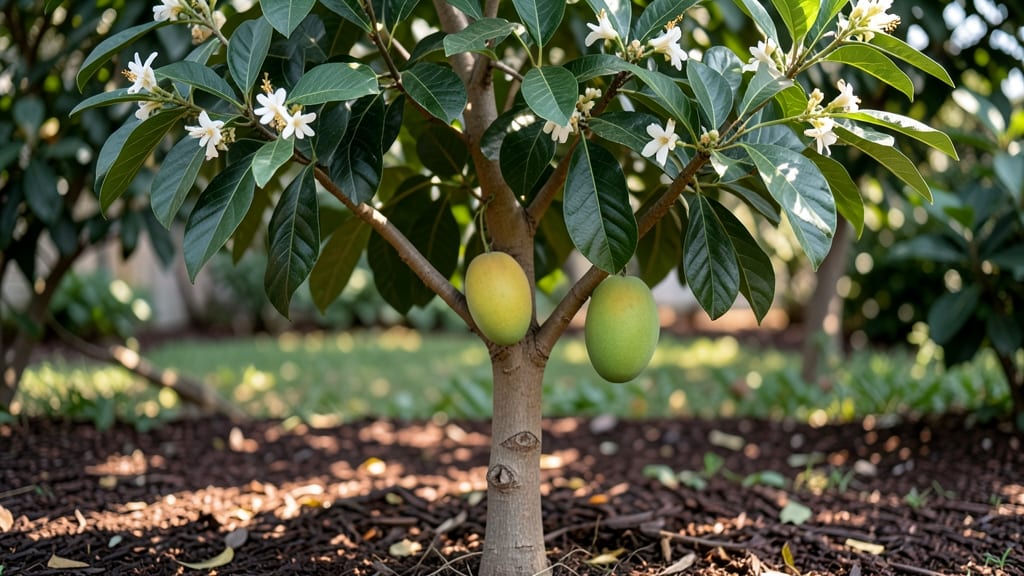
That jelly seed from your favorite mango isn't trash—it's a free tree with potential. 🌱 I've grown mango trees from grocery store seeds, and while they won't produce prize-winning fruit, they make fascinating houseplants that can eventually bear small, tart mangoes if you're patient.
The key to success starts with proper seed preparation: soak the seed overnight, then plant it in a well-draining mix of potting soil and perlite. Keep the soil consistently moist but never soggy, and place the pot in a warm, bright spot—like a south-facing window or under grow lights.
Germination can take 4-8 weeks, so patience is key here.
Once sprouted, your seedling will grow slowly at first, reaching about 6-12 inches in its first year. That's normal—mango trees are notoriously slow starters. The real payoff comes when you transplant it outdoors after the last frost, where it can eventually reach 15-30 feet tall with proper care.
Here's the twist: while seed-grown mangoes are rarely as sweet or abundant as grafted varieties, they're a fun project for kids, urban gardeners, or anyone who loves a challenge. For better fruit quality, consider grafting later—but even without that, your tree will add tropical flair to any yard.
📚 In This Guide
- What you need
- Instructions
- Tips and common mistakes
- Wrapping up and next steps
What you need
- ● 1 ripe jelly seed mango (choose one with a thick, gel-like seed—ideal for propagation!)
- ● 1 small pot (4-6 inches in diameter) with drainage holes (or a seedling tray)
- ● Well-draining potting mix (cactus/succulent mix works well—avoid heavy garden soil)
- ● Spray bottle (for gentle hydration)
- ● Clear plastic bag or humidity dome (to retain moisture)
- ● Rubbing alcohol (70% or higher) (for sterilizing tools)
- ● Sharp knife or scissors (for seed extraction)
- ○ Rooting hormone (speeds up germination—optional but recommended)
- ● Heat mat (keeps soil warm for faster sprouting)
- ● Grow lights (if natural light is limited)
- ● Larger nursery pot (8+ inches) (for transplanting once roots establish)
- ● pH testing kit (to monitor soil acidity, ideal: 5.5–7.0)
How to grow a jelly seed mango tree without the twist-and-pull struggle
This is the method I use to grow mango trees from jelly seeds—no stubborn twisting required.
🌱 Step 1: Extract and Prepare the Seed
Start with a fresh jelly seed mango—look for the classic oval seed nestled in the fruit's center. Gently pry it loose with a butter knife, scraping away any remaining jelly with your fingers. Rinse the seed under cool water to remove all traces of fruit pulp, which can rot during germination.
Here's the thing—don't rush to plant it immediately. Place the seed between two paper towels and roll it up, then secure it with a rubber band. Soak this bundle in a shallow dish of lukewarm water for 24 hours. You'll see the seed soften slightly and develop a tiny crack along one side—that's your signal it's ready to sprout.
🪴 Step 2: Plant in a Moist, Well-Draining Medium
Fill a 4-inch diameter biodegradable pot with a mix of 50% potting soil and 50% perlite—this ensures drainage while retaining enough moisture. The seed's pointed end should face downward, while the cracked side (where the sprout will emerge) points upward. Press the seed 1 inch deep into the soil, then water gently until the surface feels damp but not soggy.
Cover the pot with a clear plastic bag secured with a rubber band to create a greenhouse effect. Place it in a warm spot (75-85°F) away from direct sunlight—think of it like a cozy incubation chamber. Check daily for condensation on the plastic; if it disappears, mist the soil lightly to maintain humidity.
☀️ Step 3: Wait for Germination and Transition to Light
Germination can take 2-4 weeks, depending on your climate. You'll know it's happening when a tiny sprout pushes through the soil, followed by the first true leaves (not the initial seed leaves). Once the sprout reaches 2 inches tall, remove the plastic bag gradually over 3-5 days to acclimate the seedling to air.
Move the pot to a bright, indirect light spot—like an east-facing window. Direct sunlight at this stage can scorch the delicate leaves. Rotate the pot a quarter turn weekly so the seedling grows straight rather than leaning toward the light. You'll see stronger stems and darker green leaves within 2-3 weeks of proper light exposure.
🌿 Step 4: Transplant and Encourage Root Growth
After 6-8 weeks, when the seedling has 4-6 true leaves and a 3-4 inch stem, it's time to transplant. Choose a 6-inch pot with fresh potting mix amended with compost for nutrients. Dig a hole twice as wide as the seedling's root ball and place it at the same depth it was growing before.
Water deeply after transplanting to settle the soil around the roots. Reduce watering slightly—let the top 1 inch of soil dry out between waterings. This prevents root rot while encouraging the seedling to develop a strong root system. You'll notice new leaves emerging from the lower stem, signaling healthy growth.
⏰ Step 5: Harden Off and Prepare for Outdoor Life
Two weeks before your last frost date, begin hardening off the seedling. Place it outside in a shaded, sheltered spot for 1 hour the first day, gradually increasing exposure by 1 hour daily until it can tolerate full sun for 6+ hours. Watch for wilting—if leaves droop, it's not ready for longer outdoor time yet.
Once hardened off, transplant to the ground or a 10-gallon container with well-draining soil. Mango trees thrive in full sun and warm climates, but young trees need protection from frost. Mulch around the base to retain moisture and regulate soil temperature. With patience, your jelly seed mango will grow into a productive tree in 3-5 years—no twisting required!
Tips & tricks for growing jelly seed mango trees
Between us, these little details make all the difference with your mango seedling—especially when you're working with such delicate tropical plants.
Seed Preparation Precision: That 24-hour soak isn't just arbitrary—it's when the seed's natural inhibitors break down enough to allow germination. I've found that using lukewarm (not hot) water prevents shocking the seed while still softening the outer shell. Pro tip: If your kitchen runs cool (below 70°F), extend the soak to 36 hours to compensate. The crack you're waiting for should be about 1/8-inch wide when ready to plant.
Medium Mix Matters: The 50/50 potting soil to perlite ratio is non-negotiable for drainage, but here's what nobody tells you—the perlite should be the "coarse" variety, not fine horticultural perlite. Fine perlite compacts and reduces drainage over time. Also, tap the pot gently after planting to eliminate air pockets around the seed, ensuring consistent soil contact. This small step prevents uneven moisture distribution that could stall germination.
Germination Environment: That 75-85°F range is crucial, but most people mess up the humidity part. The plastic bag should feel slightly damp to the touch when you check daily—not condensation dripping down the sides. If you notice mold forming on the soil surface, that's your cue to remove the bag immediately and let it air out for 24 hours before resealing. Mold means too much moisture, which can rot the seed before it even sprouts.
Light Transition Strategy: When you're ready to remove the plastic bag over 3-5 days, do it in stages: Day 1 remove for 30 minutes, Day 2 for 1 hour, then full removal on Day 3. This gradual exposure prevents transplant shock from the humidity change. And that weekly quarter-turn rotation? It's not just about straight growth—it's also how you spot nutrient deficiencies early. Yellowing on one side indicates light exposure imbalance before it becomes a full-blown problem.
Pro Tips for Jelly Seed Mango
- Between us, these little details make all the difference with your mango seedling—especially when you're working with such delicate tropical plants.
- Seed Preparation Precision: That 24-hour soak isn't just arbitrary—it's when the seed's natural inhibitors break down enough to allow germination.
- Medium Mix Matters: The 50/50 potting soil to perlite ratio is non-negotiable for drainage, but here's what nobody tells you—the perlite should be the "coarse" variety, not fine horticultural perlite.
Frequently asked questions
Got questions about growing jelly seed mangoes or harvesting their twist-free pods?
Here are the most common ones—and answers to help you succeed!
What’s the best way to germinate jelly seed mango seeds?
Soak the seed in warm water for 24–48 hours to soften the shell, then plant it halfway in moist potting mix (pointy end up). Keep the soil warm (70–85°F) and humid—germination takes 2–6 weeks. Pro tip: Use a seedling heat mat for faster sprouting!
How long does it take for a jelly seed mango tree to bear fruit?
Patience is key! Jelly seed mangoes (like ‘Ice Cream’ or ‘Keitt’) typically take 3–5 years to bear fruit from seed. Dwarf grafted varieties may fruit sooner (1–3 years), but seed-grown trees prioritize root development first. Fun fact: Fruit quality varies—save seeds from your favorite mangoes for consistent flavors!
Can I grow jelly seed mangoes indoors?
Yes, but with caveats! Start seeds indoors in a sunny window or under grow lights (12+ hours/day). Once sprouted, transplant outdoors after the last frost when the tree is 1–2 feet tall. Warning: Mangoes need full sun (6+ hours/day) and warm climates (USDA Zones 10–11). Use a large pot if growing in containers.
Why is my jelly seed mango seed not germinating?
Check these common issues:
- Cold soil: Mango seeds need warmth—try a heated propagator or sunny windowsill.
- Dry soil: Keep the mix consistently moist (not soggy).
- Old seeds: Fresh seeds germinate best; store them in a cool, dry place if not planting immediately.
- Rot: If mold appears, repot in fresh, sterile soil.
Still stuck? Try scratching the seed’s hard shell lightly with sandpaper to encourage water absorption.
Are jelly seed mango trees cold-hardy?
No—jelly seed mangoes (like most mango varieties) are tropical and cannot survive freezing temps. In colder climates (Zones 9 or below), grow them in containers and move them indoors during winter. Young trees are especially vulnerable; protect them with frost cloth if temps dip below 30°F.
Wrapping up and next steps
Growing a jelly seed mango from a twist-free pod isn’t just rewarding—it’s a sustainable way to turn kitchen scraps into a thriving fruit tree! 🌱 With the right tools, patience, and care, you can nurture a seed into a lush plant that may one day bear delicious, tropical fruit.
Whether you’re a gardening newbie or a green thumb, this zero-waste journey is worth every step.
Ready to take the next leap? Start small:
- Plant your first pod today—your future mango tree is waiting!
- Share your progress with fellow gardeners for tips and inspiration.
- Explore other tropical seeds to expand your eco-friendly garden.