
Propagation
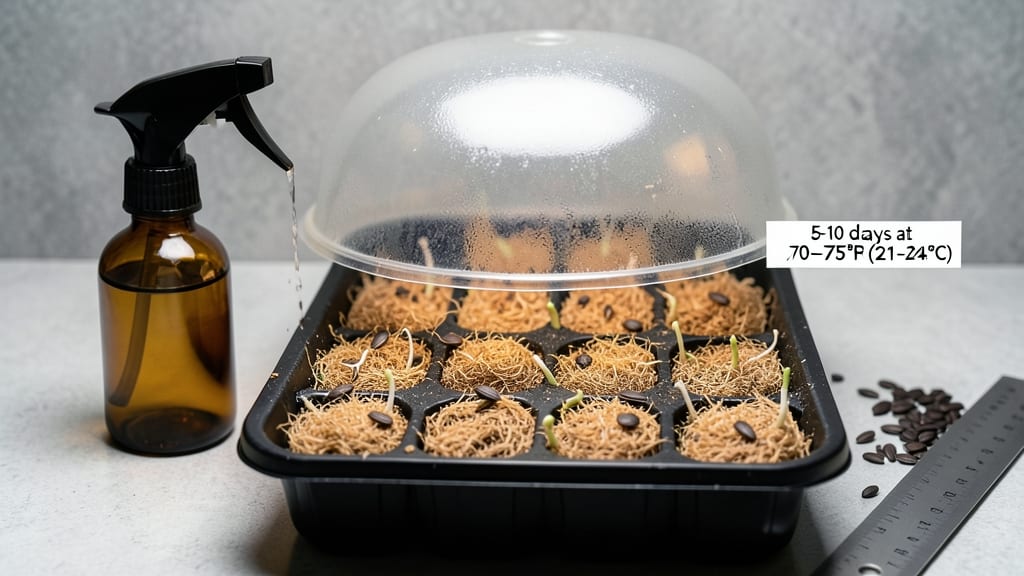
Marigold seed germination happens in just 5-10 days when you nail these three tricks—warm soil, perfect moisture, and shallow planting. 🌱 I’ve watched trays of marigolds take three weeks to germinate, then discovered the simple fixes that cut that time in half. The difference between a thriving flat and a moldy mess often comes down to these early steps.
Start with fresh seeds in a light, seed-starting mix—no heavy garden soil. Press them ¼-inch deep (marigolds hate deep planting) and keep the soil consistently moist but never soggy.
A humidity dome or plastic wrap speeds things up, but check daily for condensation. Too much moisture breeds mold; too little leaves seeds dry and dead.
Place your tray in a warm spot (70-75°F) with bright, indirect light—no direct sun yet. A heating mat under the tray can shave days off germination time.
Once sprouts appear, move them to a sunny window or grow light. You’ll see those first tiny leaves in less than two weeks if everything’s right.
Troubleshooting is simple: if seeds rot, you’re overwatering; if they stay dry, the soil’s too coarse. Marigolds are tough once they sprout, but those first few days decide everything. With these tricks, you’ll go from seed to blooming plants in under 8 weeks—no more waiting months for color.
📚 In This Guide
- What you need
- Instructions
- Tips and common mistakes
- Wrapping up and next steps
What you need
- ● Marigold seeds: Choose Tagetes varieties (e.g., French, African, or Signet). Start with 10–20 seeds for a small batch or 50+ seeds for larger plantings.
- ● Seed-starting mix: A sterile, well-draining blend (e.g., 50% peat moss + 50% perlite). Avoid garden soil—it’s too dense!
- ● Containers: Small cell trays (72–200 cells) or biodegradable pots (2–3" deep).
- ○ Optional: A seedling heat mat (70–75°F) for faster germination.
- ● Watering can or spray bottle: With a fine mist nozzle to avoid displacing seeds.
- ● Clear plastic dome or plastic wrap: To retain humidity (or a humidity tent kit).
- ● Grow lights or sunny windowsill: A full-spectrum LED grow light (12–16 hrs/day) or a south-facing window (60+°F).
- ● Plant labels: To track varieties (e.g., French Marigold – Planted 3/15).
- ● Fertilizer: A balanced, water-soluble option (5-5-5 NPK) after true leaves appear.
- ○ Tweezers: For delicate seed placement (optional but helpful!).
- ○ Thermometer (optional): To monitor soil temp (70–85°F ideal for germination).
Step-by-step instructions for marigold seed germination
Here’s how I get marigolds sprouting in just 5-7 days—no waiting months for stubborn seeds.
🌱 Step 1: Prep Seeds for Faster Germination
Marigold seeds have a hard outer coating that slows sprouting. To speed things up, soak them in lukewarm water for 12-24 hours before planting. Place the seeds in a small bowl, cover them with water, and let them sit. You’ll see the coating soften—this is your cue they’re ready.
After soaking, gently blot the seeds dry with a paper towel. This prevents mold while keeping them hydrated for quick germination. I like to do this the night before planting so they’re ready to go in the morning.
💧 Step 2: Plant in Warm, Moist Soil
Fill small seed trays or individual pots with sterile seed-starting mix—never garden soil, as it can introduce pathogens. Press the mix down lightly to remove air pockets, then create tiny furrows about ¼ inch deep with your finger. Place the soaked seeds ½ inch apart in the furrows.
Cover them with a thin layer of soil, no deeper than ⅛ inch. Water gently with a spray bottle until the soil is evenly damp but not soggy. The key here is warmth—marigolds germinate best in soil that stays 75-85°F. A seedling heat mat helps if your home runs cooler.
☀️ Step 3: Provide Humidity and Light
Cover the tray with a clear plastic dome or plastic wrap to trap moisture and warmth. Place it in a bright, indirect light spot—like a south-facing windowsill—but avoid direct sun, which can overheat the soil. Check daily for condensation; if the dome fogs up, lift it briefly to let excess moisture escape.
Germination happens fastest when the soil stays consistently moist. You’ll see tiny sprouts in 5-7 days, but if your home is dry, mist the soil lightly every 2-3 days to maintain humidity. Once the first true leaves appear, remove the dome immediately to prevent damping-off disease.
✂️ Step 4: Thin and Harden Off Seedlings
When seedlings reach 1-2 inches tall and have 2-3 true leaves, thin them to 1 plant per cell if using trays. Use scissors to snip unwanted seedlings at soil level—this avoids disturbing roots. Keep the strongest, most vigorous seedling in each spot.
To prepare for outdoor planting, start hardening off seedlings 1-2 weeks before your last frost date. Place them outside in a sheltered spot for 1-2 hours the first day, gradually increasing exposure over 7-10 days. Watch for wilting or yellowing leaves—a sign they’re not ready yet.
🪴 Step 5: Transplant to Final Location
Choose a sunny spot with 6-8 hours of direct sun and well-draining soil. Dig holes twice as wide as the root ball but the same depth. Gently remove seedlings from their containers, loosen the roots if they’re root-bound, and place them in the holes.
Fill the holes with soil, firm gently, and water deeply. Space marigolds 8-12 inches apart for bush varieties or 12-18 inches apart for tall types. Mulch with 1-2 inches of organic mulch to retain moisture and suppress weeds. Your marigolds will bloom in 6-8 weeks—fast enough to enjoy summer color!
Tips & tricks for perfect marigold seed germination
Fast germination isn't luck—it's science. Here's how to hack the process for reliable, speedy sprouts every time.
Seed Prep Secret: The 12-24 hour soak isn't just about softening—it's about breaking dormancy. I add a drop of hydrogen peroxide (3%) to the soaking water to prevent bacterial growth while keeping the seeds sterile. This extra step cuts down on mold risks while maintaining the perfect hydration balance. The coating should look slightly translucent when ready—this visual cue tells you it's time to plant.
Heat Hack for Stubborn Seeds: While 75-85°F is ideal, I've found marigolds respond even better to a bottom heat source. Place your seed tray on a seedling heat mat set to 80°F for the first 48 hours—this mimics greenhouse conditions and can shave 1-2 days off your germination timeline. Just be careful not to exceed 90°F, which can cook the seeds.
Humidity Troubleshooting: If condensation forms on your dome within 24 hours, you've got perfect humidity—but if it takes longer than 48 hours, your environment is too dry. I keep a small humidifier running near my seed trays during germination. For extra insurance, place the tray on a bed of damp pebbles (covered with a towel) to create a microclimate that maintains consistent moisture without waterlogging the soil.
Pro Tips for Marigold Seed Germination
- Fast germination isn't luck—it's science. Here's how to hack the process for reliable, speedy sprouts every time.
- Seed Prep Secret: The 12-24 hour soak isn't just about softening—it's about breaking dormancy.
- Heat Hack for Stubborn Seeds: While 75-85°F is ideal, I've found marigolds respond even better to a bottom heat source.
Frequently asked questions
about marigold seed germination—here’s what you need to know before planting!How long does it take for marigold seeds to germinate?
Marigold seeds typically sprout in 5–14 days under ideal conditions (warm soil, 70–85°F, and consistent moisture). French marigolds may germinate faster (5–7 days), while African varieties can take up to 2 weeks. Patience is key—don’t overwater or disturb the soil while waiting!
Why aren’t my marigold seeds sprouting?
Common culprits include cold soil (below 60°F), too much water (which causes rot), or old seeds (store-bought seeds lose viability after 1–2 years). Try pressing seeds lightly into soil (they need light to germinate) or pre-soaking them in warm water for 4–6 hours to speed things up.
Can I plant marigold seeds too early in spring?
Yes! Marigolds are heat-loving but can handle light frost. Start seeds indoors 4–6 weeks before last frost or direct-sow after soil warms to 60°F (usually 2–3 weeks after your area’s last frost date). Use a heat mat if your home is chilly—germination slows dramatically below 65°F.
Do marigold seeds need light to germinate?
Unlike some plants, marigold seeds do not need darkness—they germinate best with bright, indirect light (like a sunny windowsill). After sprouting, provide 6+ hours of sunlight daily to prevent leggy seedlings. A grow light can help if natural light is limited.
What’s the best way to thin marigold seedlings?
Thin seedlings to 12–18 inches apart (check your variety’s spacing) once they have 2–3 true leaves. Use clean scissors to snip at soil level (avoid pulling to prevent disturbing roots). Replant thinned seedlings in a separate container or share with fellow gardeners—waste not!
Can I grow marigolds from store-bought flowers?
Unfortunately, no—most commercial marigold flowers are sterile hybrids and won’t produce viable seeds. For germination, stick to fresh, untreated seeds from a nursery or saved from heirloom plants. If you want to try, collect seeds from open-pollinated varieties (like ‘Bonanza’ or ‘Tangerine’).
Wrapping up and next steps
Mastering marigold seed germination is all about patience, the right conditions, and a little know-how! With these fast-sprouting tricks—like pre-soaking seeds, maintaining warmth, and keeping soil consistently moist—you’ll be well on your way to vibrant blooms in no time. 🌱✨
Now that you’re armed with the best practices, it’s time to roll up your sleeves and get planting. Try experimenting with different germination methods to see what works best for your space. Happy growing—and enjoy those cheerful marigolds brightening up your garden! 🌞