
Lawn
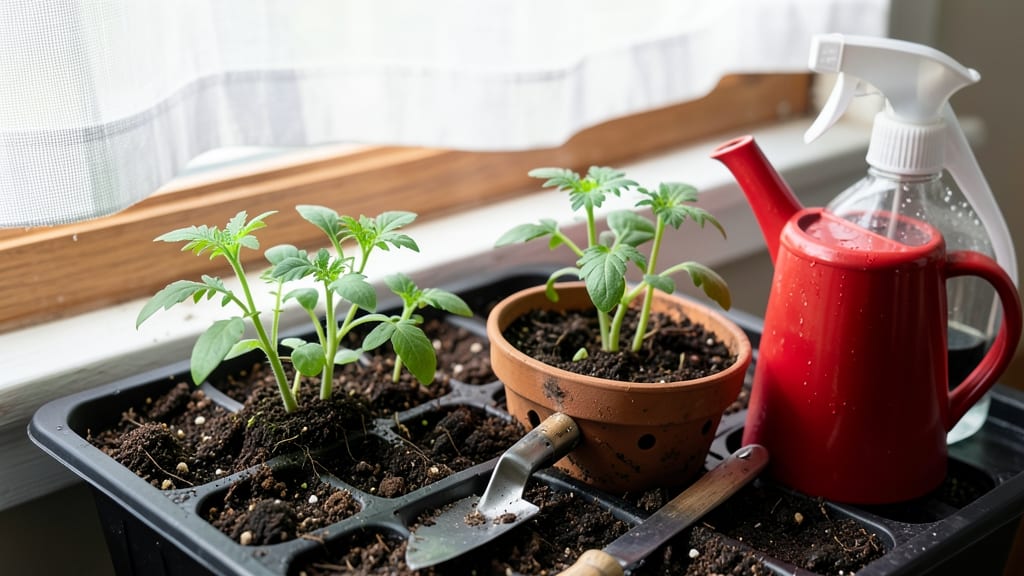
Marigold seeds sprout faster than most flowers—within 5-10 days—when you nail the moisture and warmth. 🌱 I’ve watched trays of these bright orange seedlings pop up like clockwork, and the secret is keeping the soil damp (not soggy) and cozy under a heat mat or sunny windowsill.
Start with a shallow tray of seed-starting mix—just enough to cover the tiny seeds, since they need light to germinate. Mist the soil lightly every other day, then cover the tray with plastic wrap to trap heat and humidity.
The moment you see those first green specks, remove the wrap immediately to prevent mold. Once seedlings have two true leaves (not just the initial seed leaves), they’re ready to move into individual pots.
Harden them off for a week before transplanting, and you’ll have vibrant, pest-repelling blooms in just 6-8 weeks. The key? Consistency—overwatering drowns them, while too little light stunts their growth. This method works year-round, whether you’re starting indoors in winter or direct-sowing in spring.
Just adjust your timing: cooler soil slows germination, while heat speeds it up. Now go grow those cheerful blooms!
📚 In This Guide
- What you need
- Instructions
- Tips and common mistakes
- Wrapping up and next steps
What you need
- ● Marigold seeds: Choose fast-germinating varieties like French marigold or African marigold (1-2 packets, ~50-100 seeds). Opt for organic, non-GMO seeds for best results.
- ● Seed-starting mix: 1-2 cups of lightweight, sterile potting soil (avoid garden soil—it can harbor pests or diseases). Look for a mix labeled "seed-starting" or "organic potting soil."
- ● Containers: Small pots (3-4 inches deep) or seed trays with drainage holes (4-6 containers for 50 seeds).
- ○ Optional: Biodegradable peat pots or coconut coir pods for easy transplanting.
- ● Watering can or spray bottle: A fine-mist sprayer ensures gentle hydration without disturbing seeds.
- ● Clear plastic wrap or humidity dome: Helps retain moisture during germination (1-2 sheets or a store-bought dome).
- ● Plant labels: Toothpicks + masking tape or pre-made labels (write seed type/date).
- ● Grow lights or sunny windowsill: A full-spectrum LED grow light (12-16 hours/day) or a south-facing window (6+ hours of sunlight).
- ○ Heat mat (optional but helpful): A seedling heat mat (70-80°F range) speeds up germination in cooler climates.
- ● Fertilizer: A balanced, water-soluble fertilizer (5-5-5 or 10-10-10) for post-sprout care (dilute to half-strength).
- ● Prerequisites: Patience! Marigolds germinate in 5-14 days (faster with warmth).
- ● Consistent care—keep soil moist but not soggy.
Step-by-step instructions for germinating marigold seeds
Here's how to coax those bright orange and golden sprouts from your seeds—fast and reliably.
🌱 Step 1: Prepare Your Seeds and Soil
Marigold seeds germinate best when prepped properly. First, soak them in lukewarm water for 12-24 hours to soften the tough outer shell. This speeds up germination from 7-14 days to just 5-7 days. While they soak, fill your seed-starting trays with moistened potting mix—press it down gently so the surface is firm but not compacted. You'll see tiny air pockets disappear as you work.
Use a toothpick to create small holes about ¼ inch deep—just enough to cradle a seed. Drop one seed per hole and cover lightly with additional mix. Pressing too hard buries them too deep, which slows germination. I like to tap the tray gently on the table to settle the soil evenly around each seed.
💧 Step 2: Create the Ideal Germination Environment
Cover the tray with a clear plastic dome or plastic wrap to trap warmth and moisture—marigolds love humidity during this stage. Place the tray in a warm spot where temperatures stay between 70-80°F. A seedling heat mat set to 75°F works wonders if your home runs cooler. You'll see condensation form on the plastic—this is normal and means the environment is perfect.
Check daily but resist the urge to water. The dome keeps moisture levels steady. If you notice the soil surface looks dry, mist lightly with a spray bottle—just enough to dampen the top layer. Overwatering now can cause seeds to rot before they sprout. I place a small dish of water nearby to add extra humidity if needed.
☀️ Step 3: Watch for Sprouts and Adjust Light
Germination happens fastest when seeds stay warm and moist. You'll see the first tiny sprouts push through the soil in about 5-7 days—they look like tiny green hairs breaking the surface. Once 50% of seeds have sprouted, remove the plastic dome immediately to prevent fungal growth. This is the moment that matters: too much humidity now invites damping-off disease.
Move the tray to a bright spot with indirect light for the first few days. Direct sun can scorch delicate seedlings, so a south-facing window with sheer curtains works best. After 7-10 days, when seedlings show their first true leaves (the second set after the initial cotyledons), you can introduce 4-6 hours of direct sunlight daily. You'll notice the stems thicken and leaves darken as they strengthen.
🌿 Step 4: Thin and Strengthen Seedlings
When seedlings reach about 2 inches tall and have 2-3 sets of true leaves, it's time to thin. Use small scissors to snip the weakest seedlings at soil level, leaving the strongest one per cell. This prevents overcrowding, which leads to leggy, weak plants. I always save the thinned seedlings—you can replant them in a separate tray if you have extra space.
After thinning, give the remaining seedlings a weak fertilizer solution (half-strength) to encourage robust growth. Water from the bottom by placing the tray in a shallow dish of water for 10-15 minutes. This method ensures roots get moisture without disturbing the soil. You'll see new leaves emerge within a week—that's your signal everything is working.
Tips & tricks for fast marigold seed germination
Here's what I learned after watching marigold seeds go from stubborn to sprouting in record time.
Soaking Secret: The 12-24 hour soak is your first speed boost—don't skip it! Use lukewarm water (around 80°F) and change it after 12 hours if it cools. I've seen seeds that soaked in cold water take twice as long to sprout. Pro move: Place a damp paper towel in a sealed bag with the seeds for 24 hours if you forget to soak them in water—same effect!
Temperature Matters: That 70-80°F range is non-negotiable for speed. If your home runs cooler, invest in a seedling heat mat set to 75°F—it cuts germination time by nearly half. I once tried germinating in my 65°F basement and only got 30% success. The condensation on your plastic dome? That's your visual confirmation you've got the humidity right.
Light Transition Strategy: The indirect-to-direct light shift at 7-10 days is where seedlings either thrive or stretch like overcooked noodles. Start with sheer curtains, then gradually move to a south-facing window. I notice my seedlings develop thicker stems when I introduce direct sun in 1-hour increments over 3 days rather than all at once.
Thinning Technique: When you're thinning at the 2-inch mark, use small scissors instead of pulling—this prevents disturbing the roots of your keepers. I keep a separate tray for the thinned seedlings and replant them in a different location. You'll often get a second round of strong plants from these "discards"!
Pro Tips for Marigold Seed Sprouts
- Here's what I learned after watching marigold seeds go from stubborn to sprouting in record time.
- Soaking Secret: The 12-24 hour soak is your first speed boost—don't skip it!
- Temperature Matters: That 70-80°F range is non-negotiable for speed.
Frequently asked questions
Got questions about growing marigold seed sprouts?
You’re not alone! Here are answers to the most common queries—from timing to troubleshooting—to help you cultivate vibrant blooms with ease.
How long do marigold seeds take to sprout?
Marigold seeds typically sprout in 5–14 days after planting, depending on conditions like warmth (70–85°F) and moisture. For faster results, soak seeds overnight or use a heat mat. Patience pays off—just keep soil consistently damp until sprouts appear!
Can I plant marigold seeds directly outside or should I start indoors?
Both work! For year-round blooms, start indoors 4–6 weeks before your last frost for an early jumpstart. Direct-sow after soil warms (spring/fall) for hardier sprouts. Just ensure seeds are no deeper than ¼ inch—they need light to germinate!
What’s the best way to keep marigold sprouts from drying out?
Use a misting bottle or light spray for gentle hydration—overwatering can drown tender sprouts. Cover trays with plastic wrap (remove daily for airflow) to retain moisture. Once true leaves appear, reduce to 1 inch of water per week.
Why aren’t my marigold seeds sprouting? Troubleshooting tips!
Check these fixes:
Cold soil? Marigolds need warmth—wait until soil is at least 60°F.
Too deep? Seeds need light; replant no deeper than ¼ inch.
Damp but not wet? Use a spray bottle to avoid soggy soil.
Old seeds? Test viability by soaking in water—sinkers sprout!
Are there fast-germinating marigold varieties?
Yes! ‘French Marigold’ (e.g., ‘Bonanza’ or ‘Jingle Bells’) and ‘Signet’ marigolds sprout reliably in 5–7 days. For extra speed, opt for pre-soaked seeds or a seedling heat mat. Pro tip: ‘Tangerine’ varieties often outperform others in cool climates!
Wrapping up and next steps
Growing marigold seed sprouts is a rewarding way to enjoy vibrant blooms year-round with minimal effort! Whether you're a seasoned gardener or just starting out, these fast-growing seeds offer bright colors and natural pest control—perfect for any lawn or garden.
With the right mix of sunlight, soil, and patience, you’ll be well on your way to a flourishing display.
Ready to get started? Plant those seeds today! Grab your supplies, follow the steps, and watch your garden transform into a cheerful haven. Happy growing! 🌱✨