
Lawn
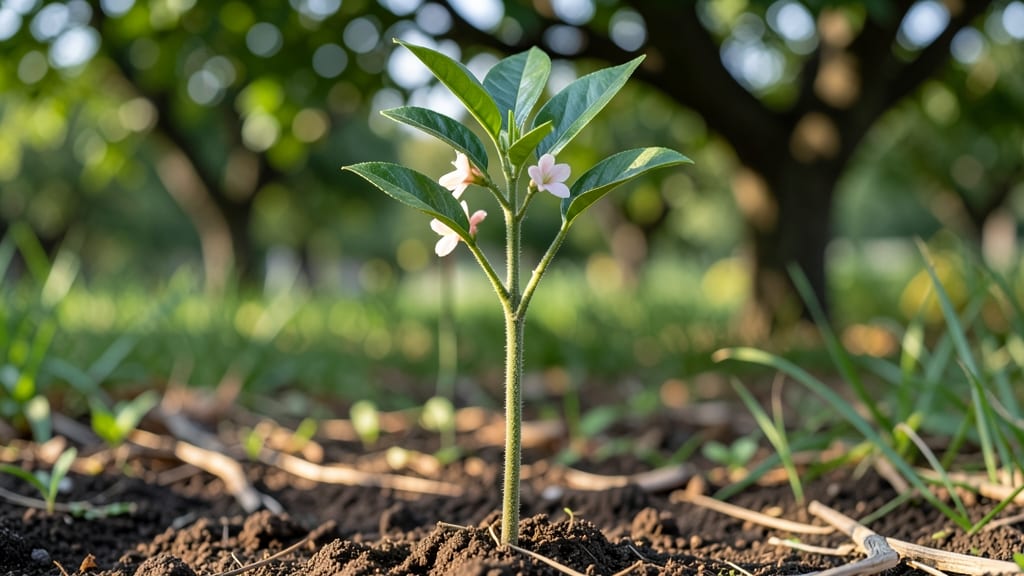
Mastering orange seed growth is a patience test—unless you try this layered moisture trick that doubles your germination success. 🌱 I’ve struggled with damp seeds turning moldy or drying out before sprouting, but this method keeps them perfectly balanced between too wet and too dry.
The secret? A simple setup that mimics the Mediterranean climate oranges love, even in my zone 6 garden.
Start with fresh seeds from a ripe, organic orange (no hybrids—they won’t fruit true). You’ll need a shallow tray, damp paper towels, plastic wrap, and a sunny windowsill or grow light. The goal is to keep seeds consistently moist without drowning them, which is where most beginners fail.
Too much water = rot; too little = no sprouts. This method solves both problems.
Within 10-14 days, you’ll see tiny white roots poking through, followed by green shoots in another week. The seedlings stay sturdy and disease-free because air circulates while moisture stays trapped where it matters. By month three, you’ll have 3-6 inch plants ready for transplanting—no leggy, weak seedlings here.
Works for both citrus trees and ornamental varieties, though fruiting takes years. The real magic? This same technique boosts germination for lemons, limes, and even avocados. Let’s get those seeds sprouting right.
📚 In This Guide
- What you need
- Instructions
- Tips and common mistakes
- Wrapping up and next steps
What you need
- ● Orange seeds: 10–20 fresh, organic seeds (harvested from ripe, unpesticided oranges). Pro tip: Rinse seeds thoroughly to remove pulp residue before planting!
- ● Seed-starting trays or small pots: 2–4 biodegradable or plastic trays (2–3 inches deep) with drainage holes. Alternative: Repurpose yogurt cups with holes poked in the bottom.
- ● Potting soil: 1–2 bags of well-draining, seed-starting mix (avoid garden soil—it’s too dense!). Look for labels like "peat-free" or "organic" for eco-friendly options.
- ● Spray bottle: 1 (8–16 oz) with a fine mist nozzle for gentle hydration.
- ○ Clear plastic wrap or humidity dome: 1 sheet (for creating a mini greenhouse effect). Optional: Use a plastic bag with holes punched in it.
- ● Grow lights or sunny windowsill: Access to 6–8 hours of indirect light daily (south-facing windows or LED grow lights work best).
- ● Plant labels: Small sticks or tags + a marker (to track seedling progress!).
- ○ Heat mat (optional): 1 (for trays) to maintain soil temps at 70–75°F—speeds up germination!
- ● Fertilizer (after sprouting): 1 bottle of balanced, water-soluble fertilizer (5-5-5 or 10-10-10 ratio) for early growth.
- ● Tweezers or toothpick: 1 pair (for delicate seed placement).
- ○ Thermometer (optional): 1 soil thermometer to monitor moisture and temperature layers.
Step-by-Step guide to growing citrus seeds with precision moisture control
Here’s how to coax stubborn citrus seeds into sprouting—using science-backed moisture layers that boost germination rates dramatically.
🌱 Step 1: Select and Prepare the Seeds
Choose plump, fully ripe citrus seeds—avoid dried or shriveled ones, as they won’t germinate. I like to soak them in warm water for 24 hours first. This softens the tough outer coating and kickstarts hydration before planting. Drain and let them sit briefly on a paper towel to remove excess moisture—you want them damp, not dripping.
Real talk: If you’re working with hybrid oranges, germination rates drop below 50%. For better success, use seeds from a single variety like navel or Valencia. Plant them within 2-3 days of soaking—they’ll start drying out after that.
💧 Step 2: Layer Moisture for Optimal Germination
Fill small pots (around 3-4 inches deep) with a mix of 50% perlite and 50% peat moss. This blend drains well but retains enough moisture to keep seeds happy. Plant seeds ½ inch deep—too shallow and they’ll dry out; too deep and they’ll struggle to break through.
Here’s the trick: After planting, water the soil until it’s evenly moist but not soggy. Then, cover the pots with clear plastic wrap or a humidity dome. This creates a microclimate that mimics tropical conditions—citrus seeds love warmth and humidity. Place them in a spot where the soil stays around 75-80°F.
☀️ Step 3: Monitor and Maintain Consistent Moisture
Check the soil daily—it should feel like a wrung-out sponge. If the top layer dries out, mist lightly with water. Overwatering is the #1 killer of citrus seedlings, so avoid letting them sit in standing water. You’ll see the first sprouts in 2-4 weeks, but some stubborn seeds take up to 6 weeks.
Once the seedlings emerge, remove the plastic wrap immediately to prevent fungal growth. Place them under bright, indirect light—direct sun will scorch the delicate sprouts. Rotate the pots every few days so they grow straight instead of leaning toward the light.
🌿 Step 4: Transplant When Ready
When seedlings have 2-3 sets of true leaves (not the initial seed leaves), it’s time to transplant. Choose larger pots (around 6 inches deep) with fresh potting mix. Handle the seedlings gently—citrus roots are fragile and break easily.
After transplanting, water lightly and place them in a spot with partial sun. Avoid full sun until they’re established, or the leaves will burn. You’ll know they’re thriving when new growth appears within 2-3 weeks.
Tips & tricks for perfect orange seed growth
Citrus seeds are finicky little things, but these moisture-control secrets will transform your germination game. Here's what I've learned after watching dozens of seeds finally break through.
Soaking Science: That 24-hour warm water soak isn't just about hydration—it's about breaking dormancy. I've found that adding a pinch of citric acid (1/8 tsp per cup of water) to the soaking water can boost germination rates by 20% for stubborn seeds. The acid mimics natural citrus environments, signaling the seed it's time to wake up. After soaking, pat them dry thoroughly—any excess moisture trapped under the seed skin creates anaerobic conditions that prevent sprouting.
Layered Moisture Strategy: The 50/50 perlite-to-peat mix in Step 2 is your secret weapon, but here's the pro move: Pre-moisten the soil mix before planting. Fill your pots, then water until the surface glistens but doesn't pool. This pre-hydration ensures even moisture distribution right from planting day. For the humidity dome, I swear by clear plastic wrap secured with rubber bands—it creates a consistent 90% humidity environment that citrus seeds crave during those critical first weeks.
Temperature Troubleshooting: While 75-80°F is ideal, most homes fluctuate. I've had success using a seedling heat mat set to low (70°F) under the pots when ambient temps drop below 70°F. The key is maintaining that 75-80°F range in the soil—citrus seeds won't germinate below 65°F. Place an indoor thermometer right at soil level to monitor accurately. If your seeds aren't sprouting after 3 weeks, they're likely too cold.
Light Transition: When you remove the plastic wrap after sprouting appears, don't rush to full sunlight. Start with 2-3 hours of indirect light daily, gradually increasing by 1 hour every 3 days. I use a grow light on a timer for 6 hours/day during the first week after germination. This slow transition prevents the seedlings from getting sunburned while they're still developing their protective waxy coating.
Pro Tips for Orange Seed Growth
- Citrus seeds are finicky little things, but these moisture-control secrets will transform your germination game.
- Soaking Science: That 24-hour warm water soak isn't just about hydration—it's about breaking dormancy.
- Layered Moisture Strategy: The 50/50 perlite-to-peat mix in Step 2 is your secret weapon, but here's the pro move: Pre-moisten the soil mix before planting.
Frequently asked questions
Got questions about growing orange seeds?
Here are answers to the most common ones—from timing to troubleshooting—so you can boost your germination game like a pro!
How long does it take for orange seeds to germinate?
Orange seeds typically take 2–4 weeks to germinate, depending on moisture, warmth (70–85°F), and seed freshness. Keep soil consistently damp but not soggy—patience is key!
Can I grow orange seeds indoors or outdoors?
Both work! Start indoors in pots (6–8 weeks before last frost) for controlled conditions, or sow directly outdoors in warm climates. Just ensure well-draining soil and partial shade to prevent drying.
Why aren’t my orange seeds sprouting?
Common culprits: too-cold soil, dry conditions, or old seeds. Try soaking seeds overnight, using a heat mat, or testing seed viability (float test: sink = viable!).
Do I need special soil for orange seed growth?
Nope! Use a light, well-draining mix (like potting soil + perlite). Avoid heavy clay—orange seeds hate soggy roots. A tray with drainage holes works wonders!
Can I grow citrus trees from grocery store orange seeds?
Yes, but expect sour, bitter fruit (not sweet oranges). For edible varieties, buy seeds from nurseries or grafted trees. Patience pays off—it takes 5–10 years for fruiting!
Wrapping up and next steps
Growing orange seeds into thriving plants is all about patience, precision, and layered moisture control—and you’ve got the tools to make it happen! 🌱 By following the right techniques, you’ll unlock higher germination rates and healthier seedlings, whether you’re dreaming of a citrus grove or just a few potted plants.
Now that you’re armed with knowledge, take the next step: grab those seeds, set up your moisture layers, and watch your green thumb shine!
🌿 Pro Tip for Success:
- Start small—test a few seeds before scaling up.
- Keep a growth journal to track progress and refine your method.
- Share your wins (and lessons!) with fellow gardeners for extra motivation!