
Planting
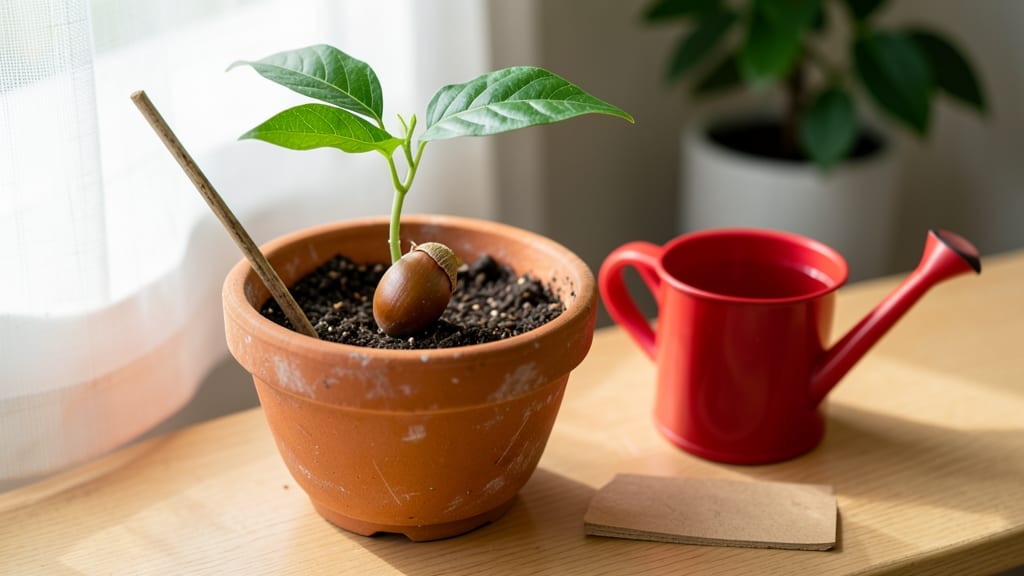
That pit from your last mango could grow into a tree with proper care—start by planting a mango seed in a pot. 🌱 Starting a mango seed in a pot is simpler than you think—just the right soil, a sunny spot, and patience.
My first attempt sprouted in just under a month, proving even beginners can nurture this tropical treasure.
You’ll need a small pot with drainage, well-draining soil mix (cactus/succulent blend works), and a seed that’s been prepped to break dormancy. The key is keeping the soil moist but never soggy—overwatering kills more mango seedlings than anything else.
A sunny windowsill or grow light is your best friend during the early stages.
Within weeks, you’ll see a tiny shoot emerge, followed by broad leaves that look nothing like the tree you imagine. By the time it’s a foot tall, you’ll be dreaming of fruit—but that takes years, so enjoy the journey.
The real magic happens when roots fill the pot and you know you’ve created something from scratch.
Indoor challenges include slow growth and limited sunlight, but with proper care, your mango tree can thrive. Troubleshoot rot by letting the soil dry slightly between waterings, and boost light with a simple grow bulb. The first real leaves mean you’re on the right track!
📚 In This Guide
- What you need
- Instructions
- Tips and common mistakes
- Wrapping up and next steps
What you need
- ● Mango seed: 1 fresh, plump seed (preferably from a ripe, organic mango). Pro tip: The seed should be slightly moist but not mushy!
- ○ Pot: 1 small pot (4–6 inches in diameter) with drainage holes. Optional: Use a biodegradable pot if you plan to transplant later.
- ● Potting mix: 1 bag of well-draining, seed-starting mix or a blend of 50% coco coir and 50% perlite.
- ● Watering can or spray bottle: For gentle hydration without over-saturating the soil.
- ● Plastic wrap or humidity dome: To create a mini greenhouse effect while germinating.
- ● Scissors or knife: For carefully slicing the seed’s hard outer shell (if needed).
- ● Fertilizer (balanced, water-soluble): A tiny pinch (¼ tsp) after the first true leaves appear.
- ● Grow lights or sunny windowsill: A south-facing window or LED grow light for 6+ hours of light daily.
- ● Plant labels: To track your mango seedling’s progress (because who doesn’t love a little organization?).
Step-by-step instructions for growing a mango tree from a seed in a pot
Here's how to turn that grocery store pit into a thriving little tree—with just a few weeks of patience.
🌱 Step 1: Prepare the Mango Pit for Planting
Start by cleaning the pit thoroughly under running water to remove any remaining fruit flesh. Scrub gently with a soft brush if needed—you want a completely clean surface. The key here is to avoid damaging the seed inside, so no soaking or harsh scrubbing.
Next, place the clean pit between two paper towels. Fold the towels so the pit is snug but not crushed, then dampen them lightly with water. The towels should feel moist but not dripping. Store the wrapped pit in a plastic bag and place it in a warm spot—ideally 70-80°F. Check daily and mist with water if the towels dry out.
You'll see the first signs of sprouting in about 2-3 weeks. Look for a tiny white root emerging from one end and a small shoot from the other. Once both are about ½ inch long, it's time to plant.
🪴 Step 2: Choose the Right Pot and Soil Mix
Select a pot that's at least 6 inches deep and wide—mango seedlings need room to grow their roots. Make sure it has drainage holes at the bottom to prevent waterlogging, which can rot the delicate roots. I like terracotta pots because they breathe well and help regulate moisture.
Use a lightweight, well-draining potting mix designed for seedlings. Avoid garden soil—it's too dense and can suffocate young roots. Mix in a handful of perlite or coarse sand to improve drainage further. Fill the pot about ⅓ full with this mix, leaving space for the seedling.
Make a small hole in the center of the soil, about 1 inch deep. This is where the seedling will go, so keep it centered in the pot for balanced growth. Water the soil lightly before planting to help it settle.
💧 Step 3: Plant the Sprouted Seed and Provide Care
Gently place the sprouted pit into the hole, root-side down and shoot-side up. Cover the pit with soil, pressing lightly to secure it but not too firmly—you don't want to crush the delicate shoot. Water the soil until it's evenly moist, but avoid overwatering. The top inch should feel damp, not soggy.
Place the pot in a warm, bright spot with indirect light—like a south-facing window with sheer curtains. Mango seedlings need warmth to thrive, so keep the pot in a spot where the temperature stays above 65°F. If your home runs cooler, a seedling heat mat can give it that extra boost.
Water the seedling whenever the top inch of soil feels dry to the touch. Stick your finger in the soil to check—this helps you avoid overwatering, which is the biggest killer of young seedlings. Mist the leaves occasionally to increase humidity, especially if your home is dry.
☀️ Step 4: Gradually Introduce Sunlight and Fertilizer
After about 2 weeks, when the seedling has grown its first set of true leaves (the second set after the initial sprouts), you can start introducing it to more sunlight. Begin with 2-3 hours of morning sun daily, then gradually increase the time over the next week or two.
Once the seedling has 4-6 true leaves and is about 6 inches tall, it's time to fertilize. Use a balanced, water-soluble fertilizer diluted to half-strength. Apply it every 4-6 weeks during the growing season to encourage strong, healthy growth. Avoid fertilizing in winter when the plant is dormant.
Keep an eye out for pests like aphids or spider mites, which can attack young, tender leaves. If you spot any, wipe the leaves gently with a damp cloth or spray with a mild insecticidal soap. A healthy seedling should grow about 1-2 inches per month under the right conditions.
⏰ Step 5: Prune and Repot as Needed
When the seedling reaches about 12 inches tall, it's time to prune. Pinch off the top set of leaves just above a leaf node to encourage bushier growth. This might seem counterintuitive, but it helps the plant develop a stronger structure. Choose a healthy day to do this—avoid pruning if the weather is too hot or cold.
Repot the seedling into a slightly larger pot (about 8-10 inches wide) when it outgrows its current container. This usually happens after about 6-12 months, depending on how fast it grows. Use the same well-draining potting mix and handle the roots gently to avoid damaging them. Water thoroughly after repotting to help the plant settle in.
With patience and care, your mango seedling will grow into a small tree over the next few years. Keep it in a pot for at least 3-5 years before considering planting it outdoors in a warm climate. Even if it never fruits, the journey of watching it grow is incredibly rewarding!
Tips & tricks for growing a mango tree from a seed
Here's what I learned after watching my first mango seedling grow from a grocery store pit—these tricks make all the difference.
Germination Check: The 2-3 weeks for sprouting can feel like forever, but consistency is key. Place a small piece of clear tape on the plastic bag near the pit—condensation will form there, showing you when the towels need misting. This keeps the environment just right without overwatering.
Pot Selection Wisdom: While the instructions call for a 6-inch pot, I've found that adding a few small pebbles at the bottom before the soil creates extra drainage space. This prevents water from pooling around the roots, which is especially helpful if your home has dry air or you tend to overwater.
Light Transition Strategy: When introducing sunlight in Step 4, I start with just 1-2 hours on the first day and increase by 30 minutes each subsequent day. This gradual approach prevents sunburn on tender leaves. A sheer curtain over a south-facing window works perfectly for this transition period.
Fertilizer Timing: The 4-6 week fertilizer schedule is ideal, but I've noticed that seedlings in cooler environments (below 65°F) benefit from a slightly longer interval—every 6-8 weeks. The key is to fertilize only when you see new growth, not on a strict calendar. Always dilute that fertilizer to half-strength to avoid burning delicate roots.
Pro Tips for Plant Mango Seed In Pot
- Here's what I learned after watching my first mango seedling grow from a grocery store pit—these tricks make all the difference.
- Germination Check: The 2-3 weeks for sprouting can feel like forever, but consistency is key.
- Pot Selection Wisdom: While the instructions call for a 6-inch pot, I've found that adding a few small pebbles at the bottom before the soil creates extra drainage space.
Frequently asked questions
Got questions about growing a mango tree from a seed in a pot? You’re not alone! Here are some of the most common queries—plus straightforward answers to help you succeed.
How long does it take for a mango seed to sprout in a pot?
A mango seed typically sprouts within 2–4 weeks if kept in warm, moist conditions. Place the pot in a sunny spot (or under a grow light) and maintain soil moisture—patience is key! If nothing happens after 6 weeks, gently check for rot or adjust humidity.
Can I plant a mango seed directly in the ground instead of a pot?
While possible, pots are ideal for beginners because they give you control over soil, water, and temperature. If planting outdoors, wait until the seedling is 6+ inches tall and hardy enough to handle your climate (mangoes thrive in USDA Zones 10–11). Use a large container first to protect it from frost.
Why is my mango seedling turning yellow or wilting?
Yellowing leaves or wilting often mean overwatering or poor drainage. Let the top inch of soil dry out between waterings, and ensure the pot has drainage holes. Yellow leaves can also signal nutrient deficiency—try a balanced fertilizer (like 10-10-10) diluted to half-strength every 2 months.
Do mango trees grown from seeds produce edible fruit?
Yes, but it takes 3–5 years for a seed-grown tree to bear fruit—and the quality may vary! Seedlings often produce smaller, less sweet mangoes than grafted trees. For better results, choose a seed from a ripe, organic mango (avoid hybrid varieties, which may not reproduce true to type).
How often should I repot my mango seedling?
Repot your seedling once a year or when roots outgrow the pot (check by gently tugging the plant—if roots circle the bottom, it’s time). Use a well-draining mix (like cactus soil + perlite) and a pot 2–4 inches larger in diameter each time. Avoid repotting during flowering or fruiting.
Wrapping up and next steps
Growing a mango tree from a seed is a rewarding journey that turns your kitchen scraps into a thriving tropical plant!
With the right pot, soil, and care, you’ll nurture a seedling that could one day bear fruit—even if it takes years. Don’t let patience hold you back: start small, stay consistent, and enjoy the process of watching life grow from something as simple as a pit.
Ready to take the next step? Expand your green thumb by exploring advanced mango care tips or trying your hand at grafting for faster fruiting. Your future mango tree is waiting—go plant that seed! 🌱✨