
Lawn
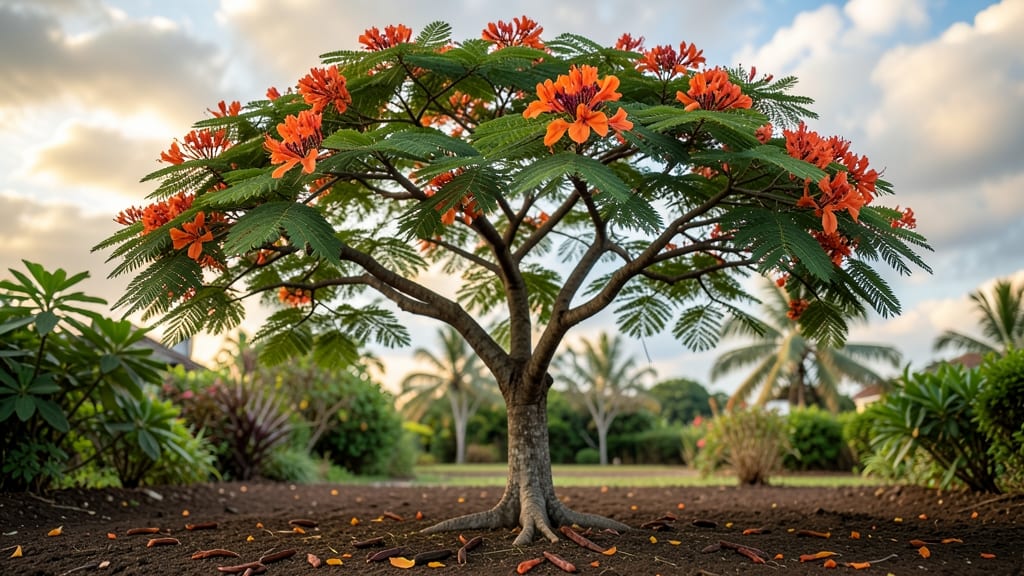
Those fiery red royal poinciana tree seed pods are nature’s way of growing a royal poinciana—if you know how to crack the code. 🌟 The key to success lies in proper drying, scarification, and patience, because these seeds don’t rush germination like impatient annuals.
I’ve nursed dozens from scratch, and the ones that follow these steps thrive while others rot in damp soil.
Start by harvesting fully dried pods in late fall—they should rattle when shaken and split open easily. Once you’ve extracted the flat, brown seeds, soak them for 24 hours to soften the tough outer shell, then rub them with sandpaper or nick the edges with a knife.
This mimics natural weathering and tricks the seeds into breaking dormancy.
Plant them in well-draining cactus mix under bright light (a sunny windowsill or grow light works), keeping soil barely moist. Germination takes 4-8 weeks, and seedlings grow slowly at first—don’t expect jungle-speed growth. The first true leaves signal it’s time to transplant into individual pots.
Perfect for warm climates (Zones 10-11), but with a heat lamp and winter dormancy, you can coax them along indoors. Just brace for challenges: slow growth, potential rot if overwatered, and the fact that these seeds will test your patience.
But when that first bright yellow bloom appears? Worth every wait.
📚 In This Guide
- What you need
- Instructions
- Tips and common mistakes
- Wrapping up and next steps
What you need
- ● Mature Royal Poinciana seed pods – Collect only fully brown, dry pods (avoid green or partially open ones). Aim for at least 10-15 pods for a reliable germination batch.
- ● Pruning shears or sharp scissors – For safely harvesting pods from branches (ensure blades are sterilized with rubbing alcohol to prevent disease transfer).
- ● Thick gloves (garden or work gloves) – Royal Poinciana pods can be sharp and irritating—protect your hands!
- ● Large paper bags or breathable mesh sacks – Use 2-3 bags to collect pods without crushing them.
- ● Newspaper or cardboard – For a single-layer drying surface (avoid plastic to prevent moisture buildup).
- ○ Fan or dehumidifier (optional but helpful) – Speeds up drying in humid climates (place on low setting).
- ● Small paintbrush or soft cloth – For gently removing chaff or debris from dried pods before storage.
- ● Air-tight glass jars or seed envelopes – For long-term storage (label with date to track freshness).
- ● Seed germination kit – Includes a moist paper towel and clear plastic bag for pre-germination testing.
- ● Digital scale – Weigh pods to monitor moisture loss (ideal dry weight is ~30% lighter than fresh).
- ● Safety goggles – If working near tall trees or using ladders.
- ● Notebook & pen – Track pod sources, drying dates, and germination success rates.
Step-by-Step guide to harvesting and drying royal poinciana tree seed pods
Here's how to collect, prepare, and store these iconic seed pods for successful germination whenever you're ready.
🌿 Step 1: Identify and Harvest Mature Pods
Royal poinciana pods turn from green to tan or brown when fully mature, typically in late fall or winter after flowering. Look for pods that open slightly on their own—they'll reveal bright red seeds inside. Use clean, sharp pruning shears to cut entire pods from the tree rather than trying to remove individual seeds. This preserves seed viability and prevents damage to the tree.
Harvest on a dry, sunny day when humidity is low. Collect pods in a breathable mesh bag or open cardboard box to allow airflow. Avoid plastic containers, which trap moisture and promote mold. I always wear gloves—these pods can stain hands and contain fine fibers that irritate skin. Handle pods gently; even minor bruising reduces germination rates.
🪴 Step 2: Clean and Prepare Pods for Drying
Spread the harvested pods in a single layer on a clean, dry surface like a screened drying rack or paper towels. Avoid direct sunlight, which can overheat and crack the pods prematurely. Instead, place them in a well-ventilated area with indirect light and 60-70°F temperatures. This slow, even drying process prevents mold while preserving seed quality.
Remove any debris or damaged pods immediately. If you find pods with blackened or soft spots, discard them—they're already spoiling. Healthy pods should feel firm to the touch with no give. Stir the pods every 2-3 days to ensure even drying. Complete drying takes 2-4 weeks, depending on humidity levels. You'll know they're ready when the pods feel lightweight and the seeds rattle inside when shaken.
☀️ Step 3: Store Dried Pods for Long-Term Germination
Once fully dried, transfer the pods to airtight containers like glass jars or sealed plastic bags with silica gel packets to absorb moisture. Label each container with the harvest date—properly stored seeds remain viable for 2-3 years. Store containers in a cool, dark place like a pantry or basement where temperatures stay 50-60°F. Avoid refrigeration, as temperature fluctuations can damage the seeds.
For immediate planting, you can also store pods in their natural state in a paper bag hung in a dry location. This mimics their natural environment and keeps them fresh longer. When ready to plant, simply open a dried pod and extract the seeds. The bright red color fades to brown as they dry, but healthy seeds will still be plump and firm. Never store pods in the refrigerator or freezer—extreme cold reduces germination rates.
⏰ Step 4: Germinate Seeds When Ready to Plant
Royal poinciana seeds require stratification to break dormancy. Place seeds in a paper towel or moistened vermiculite, then refrigerate in a sealed plastic bag for 4-6 weeks at 35-40°F. Check weekly—seeds should feel slightly damp but not soggy. After stratification, sow seeds ¼ inch deep in a well-draining potting mix and keep soil consistently moist at 70-75°F.
Germination takes 4-8 weeks, so be patient. Use a seedling heat mat to maintain consistent warmth if your home runs cooler. Once seedlings emerge, provide bright, indirect light until they develop true leaves, then gradually introduce full sun. Transplant outdoors after the last frost when soil temperatures reach 65°F—these tropical trees thrive in heat but won't tolerate cold snaps.
Tips & tricks for perfect royal poinciana seed pod preservation
These practical insights will help you maximize seed viability and avoid common pitfalls during every stage of the process.
Harvest Timing: The 2-4 week drying window in Step 2 is critical—don't rush it! Humidity plays a huge role, so if your climate stays damp, extend drying to 5-6 weeks. I've seen pods develop mold when rushed in humid conditions. Use a small fan on low setting near your drying area to maintain airflow without disturbing the pods.
Quality Control: In Step 1, when harvesting, focus on pods that naturally open slightly—they're the ripest. Discard any pods with cracks, holes, or blackened areas immediately, even if they look mostly intact. These flaws can spread to healthy pods during drying. I've lost entire batches because I ignored a few compromised pods that infected the rest.
Storage Environment: For Step 3, that 50-60°F range is non-negotiable for long-term viability. I keep my seed storage containers in a basement closet with a small thermometer to monitor temperature fluctuations. Extreme heat or cold (like refrigeration) can trigger premature aging. Place containers on a shelf rather than the floor to prevent moisture absorption from concrete or damp surfaces.
Stratification Secrets: During Step 4's 4-6 week cold treatment, I place a small piece of chalk in the sealed bag with the seeds. This helps track moisture levels—if the chalk stays dry, your seeds are at the perfect dampness. Too much moisture can cause rot, while too little prevents proper dormancy breaking. Check weekly to ensure seeds remain just slightly damp, not wet.
Pro Tips for Royal Poinciana Tree Seed Pods
- These practical insights will help you maximize seed viability and avoid common pitfalls during every stage of the process.
- Harvest Timing: The 2-4 week drying window in Step 2 is critical—don't rush it!
- Quality Control: In Step 1, when harvesting, focus on pods that naturally open slightly—they're the ripest.
Frequently asked questions
Got questions about royal poinciana tree seed pods? You’re not alone! Here are some common queries—and straightforward answers—to help you navigate harvesting, drying, and germinating these striking seeds with ease.
When is the best time to harvest royal poinciana seed pods?
The ideal time to harvest is when the pods turn a deep brown and begin to split open naturally (usually late summer to early fall). Avoid harvesting green pods—they won’t dry properly, and seeds inside may not be viable. If pods stay closed, gently tap them to check for loose seeds inside.
How long does it take to dry royal poinciana seed pods?
Drying time varies, but most pods are ready in 2–4 weeks if kept in a well-ventilated, dry area (like a mesh bag or paper bag). Turn them occasionally for even airflow. If humidity is high, use a dehumidifier or spread them on a screen. Pro tip: Test for dryness by snapping a pod—it should crackle like a dry twig!
Can I plant royal poinciana seeds directly after drying?
Not quite! Royal poinciana seeds often need a stratification period (mimicking winter) to break dormancy. After drying, soak the seeds in warm water for 24–48 hours, then plant them 1/4 inch deep in a sandy, well-draining mix. Keep soil moist (not soggy) and warm (70–80°F). Germination can take 2–6 months—patience is key!
What if my royal poinciana seeds won’t germinate?
Try these troubleshooting steps:
- Check seed viability: Cut open a pod—seeds should be plump and firm. Shriveled seeds are likely non-viable.
- Adjust moisture: Overwatering can rot seeds; underwatering stalls growth. Aim for consistently damp (not wet) soil.
- Warmth matters: Use a heat mat (75–85°F) to speed up germination.
- Patience: These seeds are slow! Some take up to a year—don’t give up too soon.
Are there alternatives to growing royal poinciana trees from seed?
Yes! If you’re eager for faster results, consider:
- Buying a young sapling: Nurseries often carry 1–3 year-old royal poincianas (look for USDA Zone 10–11 hardiness).
- Grafting: Advanced gardeners can graft royal poinciana branches onto rootstock (though this requires skill).
- Hybrids: Some ornamental poincianas (like Delonix regia hybrids) offer similar foliage with easier germination.
Warning: Royal poincianas are not cold-hardy—they thrive only in tropical/subtropical climates.
Wrapping up and next steps
The royal poinciana tree’s striking seed pods are a gardener’s treasure—packed with potential for vibrant, drought-resistant foliage that thrives in warm climates. 🌱 By mastering the art of harvesting, drying, and storing these pods, you’ve unlocked a year-round supply of seeds ready to sprout into stunning trees.
Whether you’re a seasoned green thumb or just starting, your efforts will bring bold color and resilience to your landscape.
Ready to turn those pods into a thriving garden? Start small: plant a few seeds in pots this season and watch your royal poinciana grow! For extra flair, share your progress with fellow plant enthusiasts—inspiration spreads like wildfire (and so do these gorgeous trees).