
Lawn
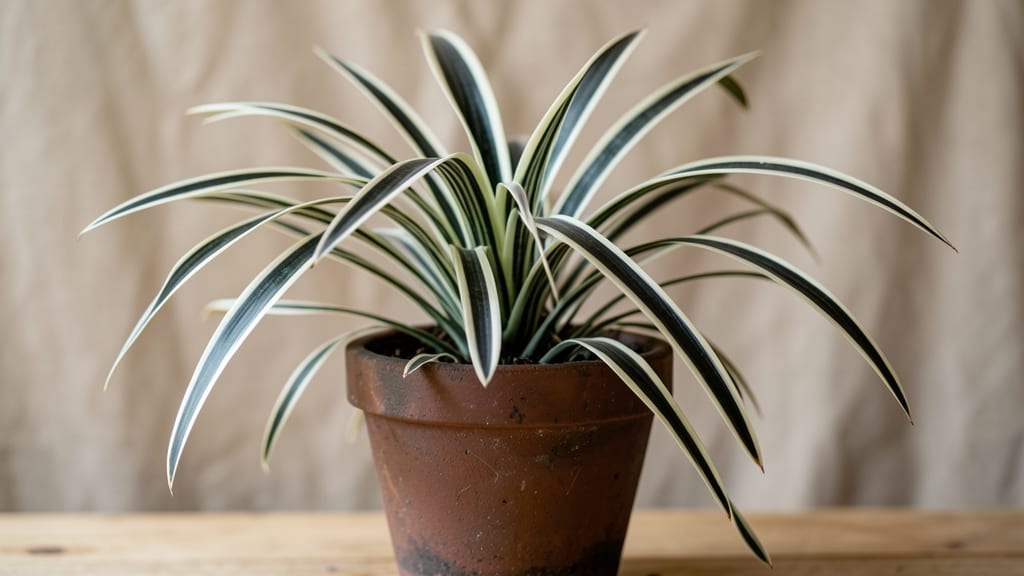
Creating a black-and-white seed recipe transforms your garden into a striking monochrome masterpiece. ✨ These high-contrast seeds—like okra, certain flowers, or decorative varieties—offer bold visual drama while maintaining natural elegance. The key lies in pairing them thoughtfully with complementary foliage and textures to amplify their ornamental value.
Start with seeds like black okra and white cosmos for instant drama, or experiment with black-eyed Susan and white snapdragons for height variation. These combinations create focal points that stand out against green foliage, making them ideal for themed gardens, seed art projects, or high-contrast planting schemes.
The contrast isn’t just eye-catching—it’s a conversation starter.
Beyond traditional cultivation, these seeds can be used for seed art, such as pressed arrangements or shadow-box displays. Plant them in geometric patterns for a modern look or scatter them loosely for a wild, organic feel.
The result is a garden that feels both sophisticated and effortlessly natural—perfect for photographers or anyone who loves bold design.
For best results, prioritize well-draining soil and full sun exposure. Pair with silver or gray foliage plants (like lamb’s ear or dusty miller) to deepen the monochrome effect.
Whether you’re designing a full garden or a small container display, this technique guarantees a striking, timeless look that works year after year.
📚 In This Guide
- What you need
- Instructions
- Tips and common mistakes
- Wrapping up and next steps
What you need
- ● Black seeds: 1 lb Nigella sativa (Love-in-a-Mist) – for deep, velvety black blooms
- ● 1 lb Celosia argentea (Cockscomb) – 'Black Cherry' variety for dramatic contrast
- ● White seeds: 1 lb Zinnia elegans (Zinnia) – 'Crystal White' variety for bright pops
- ● 1 lb Cosmos bipinnatus – 'White Sensation' for airy, feathery texture
- ● 1 lb Dianthus barbatus (Sweet William) – 'White Swan' for classic charm
- ● Soil: 10 lbs high-quality potting mix (or garden soil amended with compost)
- ● Fertilizer: 5-10-10 balanced fertilizer (follow package instructions for dilution)
- ● Hand trowel or garden spade
- ○ Gloves (optional but recommended 😉)
- ● Watering can or hose with gentle spray nozzle
- ● Measuring tape or ruler (for spacing)
- ● Plant markers (small sticks or labels)
- ● Mulch (straw or shredded bark) to retain moisture
- ● Slow-release fertilizer tabs for long-lasting nutrients
- ● Black or white garden stakes for support (if needed)
- ● Pruning shears for shaping and maintenance
Step-by-Step instructions for creating a striking black-and-white seed garden
Here's how to design a bold monochrome garden using seed varieties that contrast beautifully.
🌱 Step 1: Select High-Contrast Seed Varieties
Choose seeds with pure white flowers (like 'White Swan' thistle or 'White Queen' cosmos) and deep black foliage (such as 'Black Lace' elderberry or 'Black Scallop' heuchera). I recommend pairing silver foliage (like lamb's ear or dusty miller) with dark purple-black blooms (such as 'Black Baccara' petunia) for maximum impact. Avoid variegated or mixed-color varieties—they dilute the monochrome effect.
For texture contrast, include fine-textured white flowers (like 'White Cloud' gypsophila) alongside bold, velvety black foliage (such as 'Black Mondo' grass). This creates visual depth while maintaining the black-and-white theme. I always sketch a small layout first to ensure balanced proportions between light and dark elements.
🪴 Step 2: Prepare Containers or Garden Beds
Use black containers (like terra-cotta pots or dark plastic planters) to amplify the white flowers' brightness and create a striking contrast. For garden beds, outline the planting area with black landscape fabric to define the space and suppress weeds. Fill containers with well-draining potting mix (avoid garden soil—it compacts and can cause rot in black-foliage plants).
Add a 1-inch layer of coarse sand to the bottom of containers to improve drainage, especially for black-foliage plants that often prefer drier conditions. Moisten the soil until it's evenly damp but not soggy. I like to work in small batches—preparing one container at a time ensures consistent moisture levels and prevents soil from drying out before planting.
☀️ Step 3: Plant for Optimal Light and Spacing
Position your black-and-white garden in full sun (6+ hours daily) to enhance the contrast between dark foliage and white blooms. Most black-foliage plants thrive in bright, direct light, while white flowers often need at least 4-6 hours of sun to maintain their purity. Space plants according to their mature size—black-foliage varieties (like heuchera) should have 12-18 inches between them, while white-flowering annuals (like cosmos) can be planted 6-12 inches apart.
Plant taller varieties (like 'Black Baccara' petunias) at the back or center of containers or beds, with shorter white blooms (like 'White Swan' thistle) in the front. This creates a natural layered effect that draws the eye. I always plant in odd-numbered groupings (3, 5, or 7 plants per cluster) for a more dynamic, natural look.
💧 Step 4: Water and Maintain Monochrome Harmony
Water deeply once a week (or when the top inch of soil feels dry), focusing on the base of plants to avoid wetting foliage—this prevents fungal issues in black-foliage varieties. Use gray water (from showers or rinsing produce) to maintain the monochrome aesthetic while conserving resources. Mulch with black landscape fabric or dark bark to keep soil cool and suppress weeds, reinforcing the theme.
Fertilize every 4-6 weeks with a balanced, slow-release fertilizer (like 10-10-10) to encourage vibrant white blooms and deep black foliage. Avoid over-fertilizing—black-foliage plants often prefer lower nitrogen to prevent yellowing. I prune spent white blooms immediately to encourage continuous flowering, while I trim black foliage only to shape (never to encourage new growth, as it can dilute the color).
✂️ Step 5: Seasonal Adjustments for Long-Term Drama
In spring, add white annuals (like sweet alyssum or statice) to refresh the garden after winter dormancy. In fall, replace fading white blooms with black kale or ornamental grasses for a bold, seasonal contrast. I always take photographs every 2 weeks to track the garden's evolution—this helps me adjust spacing or add new varieties for better balance.
For winter interest, incorporate silver-and-black evergreens (like 'Black Mondo' grass or 'Silver Queen' dusty miller). These plants maintain their contrast even in colder months. If any black foliage fades to brown or white flowers yellow, it’s often a sign of overwatering or nutrient deficiency—adjust care immediately to preserve the monochrome effect.
Tips & tricks for perfect black-and-white garden contrasts
Creating a dramatic monochrome garden requires precision in plant selection and arrangement—here's how to elevate your design beyond basic contrasts.
Plant Selection Strategy: When choosing varieties in Step 1, prioritize plants with true black foliage (like 'Black Mondo' grass) over dark purple-black options, as these maintain their intensity year-round. For white flowers, select those with creamy centers (like 'White Swan' thistle) rather than pure white edges that can appear washed out in direct sunlight. I've found that pairing velvety black foliage with silver-blue foliage (like dusty miller) creates a third tonal layer that adds depth without breaking the monochrome theme.
Container Preparation Insight: The 1-inch layer of coarse sand in Step 2 isn't just for drainage—it also creates a subtle textural contrast when viewed from above. For garden beds, consider using black plastic mulch instead of fabric, as it warms the soil faster in spring and provides a more dramatic visual boundary. Always pre-moisten your potting mix before planting; black-foliage plants are particularly sensitive to soggy conditions, which can cause them to develop brown edges rather than maintaining their deep color.
Light Management Technique: The 6+ hours of full sun requirement in Step 3 is non-negotiable for maintaining color intensity, but you can strategically place your garden to maximize contrast. Position black-foliage plants on the west side of containers or beds, where they'll receive intense afternoon sunlight that deepens their color. White flowers should face east or south to avoid bleaching. I've noticed that plants receiving morning sun maintain their vibrancy longer, so adjust your layout accordingly if your garden has limited sun exposure.
Seasonal Maintenance Hack: The 2-week photography tip in Step 5 is invaluable for tracking color shifts. Use your phone's camera in grayscale mode to evaluate tonal balance—this helps you spot inconsistencies before they become permanent. In fall, replace fading white blooms with black mondo grass or black mondo creeping jenna for instant winter interest. These varieties maintain their dramatic color even in colder months, creating a seamless seasonal transition.
Pro Tips for Seed Black And White
- Creating a dramatic monochrome garden requires precision in plant selection and arrangement—here's how to elevate your design beyond basic contrasts.
- Plant Selection Strategy: When choosing varieties in Step 1, prioritize plants with true black foliage (like 'Black Mondo' grass) over dark purple-black options, as these maintain their intensity year-round.
- Container Preparation Insight: The 1-inch layer of coarse sand in Step 2 isn't just for drainage—it also creates a subtle textural contrast when viewed from above.
Frequently asked questions
Got questions about growing a striking black-and-white seed garden?
You’re not alone! Below are answers to the most common queries—from planning to troubleshooting—so you can create your own monochrome masterpiece with confidence.
What seeds should I use for a true black-and-white contrast?
Avoid pure white seeds (like some annuals) as they often lack depth. Opt for black seeds like black chia, black sesame, or black mustard paired with silvery-white options such as lamb’s ear, dusty miller, or white cosmos. For foliage, purple basil (deep black-purple) with white impatiens works beautifully. Pro tip: Mix textures—feathery, rounded, or spiky leaves add dimension!
How long does it take for black-and-white seeds to germinate?
Germination times vary by seed type:
- Fast growers (7–14 days): Chia, cosmos, or sunflower seeds.
- Moderate (14–21 days): Dusty miller, black mustard, or impatiens.
- Slow (21+ days): Lamb’s ear or some herbs (like basil).
Keep soil consistently moist (not soggy) and warm (65–75°F) for best results. Use a heat mat if your climate is cool!
Can I grow a black-and-white seed garden in partial shade?
While black seeds (e.g., chia, sesame) thrive in full sun, white foliage plants like lamb’s ear or dusty miller tolerate partial shade (4–6 hours of sunlight). For shade gardens, try:
- Black: Purple basil, black mondo grass.
- White: White heuchera, variegated ferns.
Just avoid deep-black seeds (like some annual flowers) in low light—they may not germinate well.
What if my seeds don’t sprout evenly? How can I fix it?
Uneven germination is common! Try these fixes:
- Check moisture: Overwatering can drown seeds; underwatering halts growth. Aim for consistently damp (not wet) soil.
- Test temperature: Some seeds (like chia) need warmth. Move trays to a sunny windowsill or use a seedling heat mat.
- Re-sow sparse areas: Thin out crowded seedlings and scatter fresh seeds in bare spots.
- Patience: Some seeds (e.g., lamb’s ear) take longer—wait 3–4 weeks before replacing.
Light exposure matters too: Place trays near a window or under grow lights after sprouting!
Are there alternatives to seeds for a black-and-white garden?
Yes! If seeds feel tricky, consider:
- Plug plants: Buy black mondo grass or white heuchera starter plants for instant drama.
- Dyes or paints: Use food-safe dyes (like activated charcoal or titanium dioxide) to tint soil or mulch for contrast (great for containers!).
- Mulch contrast: Pair black gravel with white pebbles in pathways or borders.
For a low-maintenance look, try black-purple foliage (e.g., Ophiopogon) with white flowers (e.g., gypsophila).
Wrapping up and next steps
Embrace the bold beauty of black and white seed gardens—they’re not just eye-catching, they’re a statement! This striking contrast transforms any lawn into a dramatic, low-maintenance masterpiece, perfect for adding personality to your outdoor space. 🌱✨
Ready to dive in? Start small with a test patch to refine your design, then expand as your confidence grows. Whether you’re a seasoned gardener or a curious beginner, this monochrome magic is just a seed away—let your creativity bloom!
Next step: Sketch your layout, gather your seeds, and get planting—your future garden awaits!