
Lawn
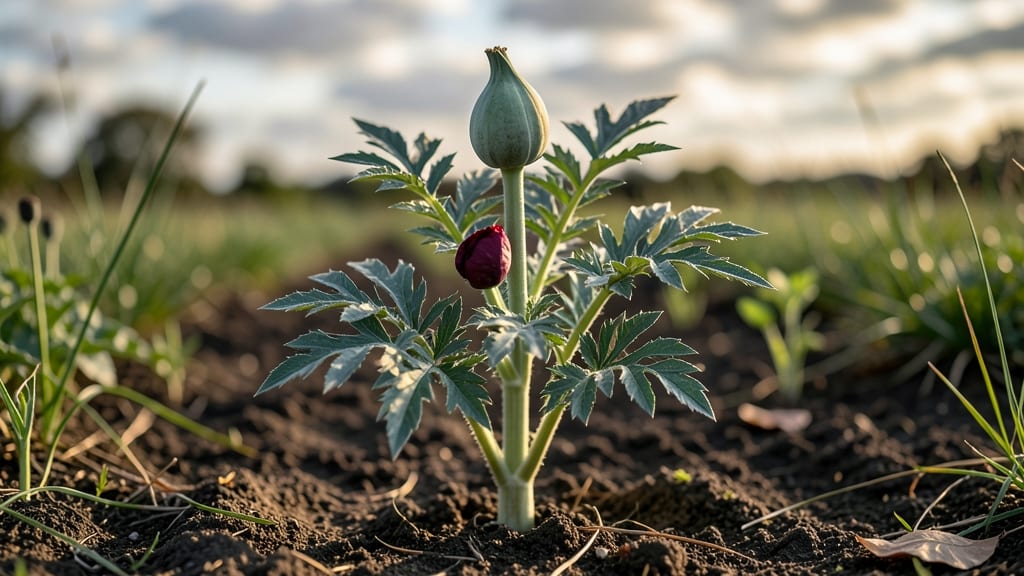
That green, fuzzy unripe poppy seed pod is the plant’s secret to next year’s blooms. 🌱 I used to toss them without a second thought—until I learned the twist test that tells you exactly when to harvest for viable seeds.
The difference between a pod that opens too soon and one that yields plump, fertile seeds comes down to timing and a simple hand movement.
Unripe pods stay closed, fuzzy, and green—sometimes with a hint of purple at the base. When they're ready, they'll twist open with just a gentle tug, revealing the black seeds inside.
The key is patience: harvesting too early means no seeds, while waiting too long risks them scattering on the wind. Most poppies take 60-90 days from bloom to ripe pod, depending on your climate.
You'll know you've timed it right when the pods split open to reveal glossy black seeds that spill out like tiny jewels. A successful harvest means you can save seeds for next season—no need to buy new plants.
The twist test is foolproof once you practice it, and it turns what looks like trash into next year's garden treasure.
For healthy pods, keep poppies in full sun with well-draining soil and minimal interference. Overcrowding or too much water weakens the stems, so give them space and let them grow.
With the right care, you'll go from admiring fuzzy green pods to holding your own seed stash in just a few months.
📚 In This Guide
- What you need
- Instructions
- Tips and common mistakes
- Wrapping up and next steps
What you need
- ● Unripe poppy seed pods: 5–10 freshly harvested pods (ensure they’re firm but slightly pliable—not dried out or brittle).
- ● Garden gloves: 1 pair (to protect hands from thorns and sap).
- ● Pruning shears or sharp scissors: 1 pair (for clean cuts).
- ● Paper bags or breathable fabric sacks: 2–3 (to store pods and prevent moisture buildup).
- ● Labeling tags & marker: 1 set (to track pod maturity and harvest dates).
- ● Twist test tool: A small wooden stick or chopstick (for gently twisting pods to check seed readiness).
- ● Drying rack or mesh screen: 1 (to air-dry pods evenly if storing long-term).
- ○ Seed viability kit: 1 (optional, for advanced testing of seed health).
- ● Notebook or app: 1 (to log pod characteristics, like color or size, for future reference).
How to test and harvest unripe poppy seed pods for future planting
Here's the simple method I use every year to save seeds from my poppies—no fancy tools, just a little patience.
🌱 Step 1: Identify and Select Healthy Pods
Wait until the seed pods turn from green to a dry, papery brown color—this usually happens in late summer or early fall. Choose pods that are fully developed but haven't split open yet. I look for ones that feel firm when gently squeezed between my fingers. Avoid any pods that look shriveled, cracked, or have holes from pests.
Poppies grow fast, so check your plants daily during this stage. The pods will start to open on their own when they're ready, so don't wait too long. If you see a few pods beginning to split, harvest them immediately—they'll release seeds within hours. I like to work in the morning when the pods are still closed and the seeds are fresh inside.
🌿 Step 2: Perform the Twist Test for Viability
This is the key step—it tells you whether the seeds inside are healthy enough to plant next year. Hold a mature, closed pod firmly in one hand and gently twist it between your thumb and forefinger. You'll feel a slight resistance at first, then a sudden give as the pod separates from the stem. If the pod twists off cleanly with just light pressure, the seeds inside are likely viable.
If the pod feels too hard to twist or requires force, it's probably not ready yet. On the other hand, if it crumbles or falls apart easily, the seeds may have already been released or are no longer viable. I usually test 2-3 pods from different plants to ensure I have a good selection of seeds. Once you've identified a pod that passes the twist test, it's time to harvest.
✂️ Step 3: Harvest and Dry the Pods Properly
Use clean, sharp scissors or pruning shears to snip the pod from the stem, leaving about an inch of stem attached. This makes it easier to handle and prevents the pod from splitting open during drying. Place the harvested pods in a single layer on a clean, dry surface—like a piece of paper or a mesh screen—in a warm, dry location out of direct sunlight.
Let the pods dry for about 7-10 days. You'll know they're ready when they feel completely dry and papery to the touch, and the seeds inside rattle when you shake the pod. Avoid using a hairdryer or oven to speed up the process—this can damage the seeds. Once fully dry, the pods will open on their own, releasing the seeds inside. I like to place a small bowl or envelope underneath to catch the seeds as they fall out.
🪴 Step 4: Store Seeds for Next Year's Planting
Once the pods have opened and released their seeds, transfer them to a clean, dry envelope or small paper bag. Label the bag with the date and the type of poppy if you're saving seeds from multiple varieties. Store the seeds in a cool, dark place—like the refrigerator or a seed storage container—to maintain their viability. Poppy seeds can stay viable for up to 3-5 years if stored properly.
When you're ready to plant next year, simply scatter the seeds on the soil surface—they don't need to be buried. Poppy seeds germinate best in full sun and well-draining soil. Water lightly after planting, and keep the soil moist until the seedlings emerge. With this method, you'll have a fresh batch of beautiful poppies blooming in just a few months!
Tips & tricks for perfect poppy seed pod harvesting
These little tricks will help you get the most viable seeds from your poppies every year.
Timing is Everything: I can't stress enough how important it is to work with your poppy pods in the morning. The cooler temperatures keep them closed longer, giving you that perfect window to test and harvest them. If you wait until afternoon, many pods might already be open and releasing seeds. Trust me on this—morning harvests mean fresher, more viable seeds.
Selection Tip: When choosing pods for the twist test, look for ones that are uniformly brown and have a slightly papery texture. Avoid any pods with dark spots or mold—these can indicate disease. I also avoid pods that are too large or misshapen, as they might not contain healthy seeds. The ideal pod should feel firm but not rock-hard, like a well-ripened avocado.
Drying Strategy: The 7-10 day drying period is crucial—don't rush it! I've tried using a fan or warm spot to speed things up, but it always led to brittle pods that cracked open too soon. Instead, place your pods in a spot with good airflow, like a mesh screen over a cardboard box. This gentle drying method preserves seed viability while preventing premature opening.
Storage Wisdom: Once your seeds are ready, store them in an envelope with a silica gel packet to absorb any moisture. I like to add a small piece of paper with the harvest date and variety written in pencil—it fades over time but lasts long enough to be useful. Place the envelope in a ziplock bag before putting it in the refrigerator for maximum freshness.
Pro Tips for Unripe Poppy Seed Pod
- These little tricks will help you get the most viable seeds from your poppies every year.
- Timing is Everything: I can't stress enough how important it is to work with your poppy pods in the morning.
- Selection Tip: When choosing pods for the twist test, look for ones that are uniformly brown and have a slightly papery texture.
Frequently asked questions
Got questions about unripe poppy seed pods? You’re not alone! Here are some common queries—and answers—to help you navigate growing, harvesting, and troubleshooting these delicate blooms.
Why are my poppy seed pods still unripe?
Poppy seed pods take 4–6 weeks to mature after flowering. If yours are still green or soft, they likely need more time. Check for hard, dry shells—that’s your cue they’re ready! Overripe pods may split open, so harvest just before they do. Pro tip: Wait until pods turn tan or brown and rattle when shaken.
How do I know when to harvest poppy seeds?
Use the twist test: Gently twist a pod. If it snaps cleanly and seeds spill out, it’s prime time! Avoid harvesting if pods are still green (seeds won’t be viable) or too brittle (seeds may be stale). Morning harvests yield the freshest seeds. Bonus: Collect pods before birds peck at them!
What if my poppy pods never form seeds?
Several factors can prevent seed development: poor pollination (hand-pollinate with a brush), overcrowding (thin plants for airflow), or disease/pests (check for aphids or fungal spots). Try planting in full sun and watering deeply but infrequently to encourage blooms. Alternative: Save seeds from neighboring healthy poppies if possible!
Can I use unripe poppy pods for anything?
Unripe pods aren’t ideal for seeds, but they’re edible and decorative! Young pods can be pickled (like capers) or used in salads for a peppery bite. Dried green pods make unique garnishes or crafts. Just avoid consuming mature green pods—they can cause mild stomach upset. Caution: Always confirm your poppy variety is non-opiate (e.g., Papaver somniferum edible strains).
What happens if I harvest seeds too early?
Premature seeds are underdeveloped and won’t germinate well. You’ll likely end up with low viability (fewer sprouts) or weak seedlings. If you must harvest early, store seeds in a cool, dry place for 2–4 weeks to finish maturing. Test a few seeds in soil to check viability—if they don’t sprout, wait longer next time! Troubleshooting: Next year, mark flowering dates to time harvests better.
Wrapping up and next steps
Growing unripe poppy seed pods is a rewarding journey that connects you to nature’s beauty—and next year’s harvest! 🌱 By mastering the twist test and understanding their growth stages, you’re not just cultivating flowers; you’re ensuring a bountiful supply of seeds for future gardens. Your patience today will bloom into abundance tomorrow!
Ready to take the next step? Bookmark this guide and start planning your poppy patch now—whether you’re growing them for seeds, aesthetics, or both. Happy gardening, and may your pods twist with promise! 🌸