
Lawn
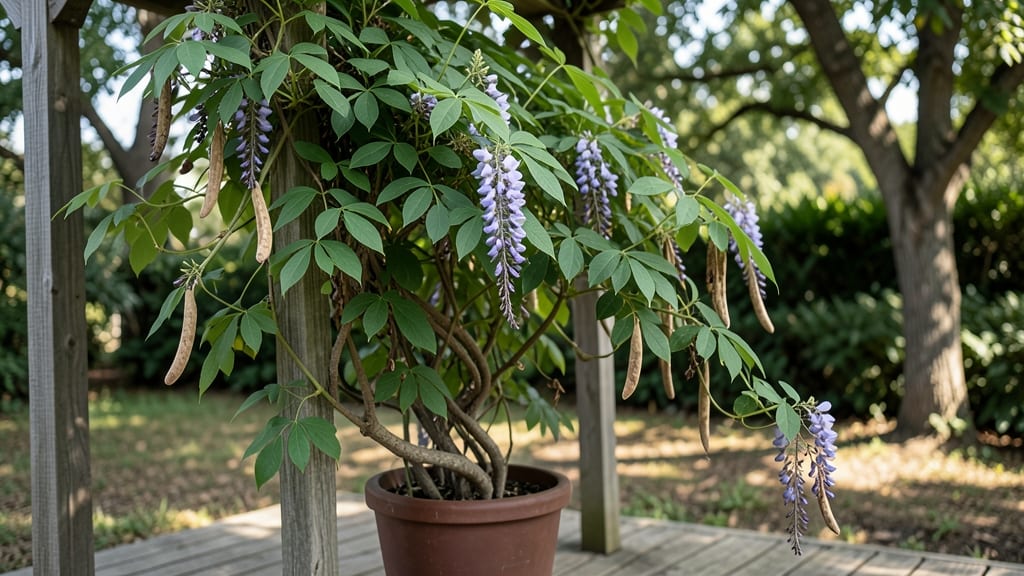
Twisting open vine seed pods without damaging the seeds is the secret to next year’s garden. 🌱 I’ve learned that patience and the right technique make all the difference—whether you’re saving wisteria, grapevine, or morning glory seeds.
A sharp twist at the wrong angle can crush the seeds inside, turning potential into waste. The key is waiting until the pods are fully dry but not brittle, then using a gentle rolling motion to crack them open.
Once you’ve extracted the seeds, you’ll need to clean and dry them properly to ensure strong germination. I’ve had seeds stored for over a year that still sprouted like fresh ones—with the right prep, you can too.
By following these steps, you’ll end up with healthy seedlings ready to climb and thrive in your garden next spring. The satisfaction of growing a vine from a seed you saved yourself is unmatched—especially when you see those first tendrils reaching for the trellis.
This method works for any vine, from fast-growing morning glories to slow-but-sturdy wisteria. Let’s get those seeds ready for planting!
📚 In This Guide
- What you need
- Instructions
- Tips and common mistakes
- Wrapping up and next steps
What you need
- ● Gloves (heavy-duty or gardening gloves) – Protects hands from thorns and rough textures (1 pair).
- ● Pruning shears or sharp scissors – For clean cuts without damaging pods (1 pair, 5-7" blades).
- ● Large mesh bags or breathable paper sacks – Allows airflow to prevent mold (2-3 bags, 12"x18" size).
- ● Plastic or metal tray (with low sides) – For sorting and drying pods (1, 12"x16" minimum).
- ● Permanent marker or labels – To tag pods by vine type/year (1 pack).
- ● Newspaper or paper towels – For drying and cushioning delicate pods (1 roll or 5-10 sheets).
- ● Knee pad or small stool – For comfort during harvest (1).
- ● Spray bottle with water – To dampen dusty pods if needed (1, 8oz).
- ● Fine-mesh sieve or colander – For separating seeds from debris (1, 4-6" diameter).
- ● Air-tight glass jars with lids – For long-term seed storage (2-3 jars, 8oz size).
- ○ Digital scale (optional) – To track pod/seed weight for viability tests (1, 0.1oz precision).
Step-by-Step guide to harvesting vine seed pods without twisting
Here's how to collect seeds from vine pods the easy way—no stubborn stems or broken pods here.
🌱 Step 1: Identify and Wait for Perfect Pod Maturity
Most vine seed pods turn brown or dry out completely when ready. For example, morning glory pods split open naturally, while sweet pea pods stay closed but turn papery thin. You'll know they're ready when the pods feel light in your hand and rattle slightly when shaken.
Harvest on a dry day after morning dew evaporates. Wet pods stick to fingers and tear easily. If you're unsure, cut one open—viable seeds should be firm and plump, not shriveled or moldy. This ensures the best germination rates next season.
✂️ Step 2: Cut Stems Cleanly at the Base
Use clean, sharp scissors or pruners to snip the vine stem about 1 inch below the pod cluster. This prevents tearing and leaves a clean cut that heals faster. Avoid tugging or twisting—the stem will snap if you force it, leaving the pod behind.
Lay the harvested pods in a single layer on a paper towel or tray to dry for 3-5 days in a warm, dry spot. A sunny windowsill works well, but avoid direct sunlight, which can overheat the pods. You'll see the pods begin to split open naturally as they dry.
💧 Step 3: Dry and Clean the Seeds
Once the pods are fully dry and brittle, gently crush them between your fingers or roll them with a rolling pin over a clean sheet of paper. The seeds will spill out while the chaff stays behind. For stubborn pods, place them in a paper bag and shake vigorously—this separates seeds from debris without damaging them.
Sift the seeds through a fine-mesh sieve to remove any remaining pod fragments. Store the clean seeds in a paper envelope or small glass jar in a cool, dark place. Label with the vine type and harvest date—seeds stay viable for 2-5 years, depending on the species.
⏰ Step 4: Test Seed Viability Before Planting Next Year
Before sowing, test a few seeds by placing them between damp paper towels in a sealed plastic bag. Keep them in a warm spot (70-75°F) and check daily. Most seeds should sprout within 7-14 days. If fewer than half sprout, store the remaining seeds in the freezer for another year—the cold preserves viability.
This simple test saves time and frustration. You'll know exactly which seeds to plant, and you'll avoid wasting garden space on seeds that might not grow. Once you see those first green shoots, you'll know your harvest was worth the effort.
Tips & tricks for perfect vine seed pod harvesting
Here's what nobody tells you about collecting seeds without the frustration of broken pods.
Pod Selection: Don't just grab any brown pods! Look for ones that feel hollow when tapped—this means they're fully mature and ready to release seeds. Morning glory pods should be completely dry and split open naturally, while sweet pea pods should be papery thin but still intact. I learned this the hard way after trying to harvest premature pods that crumbled when I touched them.
Harvest Timing: The 3-5 day drying period in Step 2 is your friend, but don't rush it. Place pods on a tray in a warm spot (around 70-75°F), but avoid direct sunlight which can overheat them. You'll know they're ready when they're brittle enough to crush easily between your fingers—this usually takes about 4 days for most vine species.
Seed Extraction: For stubborn pods that won't release seeds easily, try the paper bag method: place pods in a sealed bag and shake vigorously. The seeds will pop out while the chaff stays behind. This works especially well for hard-shelled pods like those from morning glory vines. I've saved hours of frustration using this simple trick instead of trying to pry open each pod individually.
Storage Wisdom: When storing your clean seeds in envelopes or jars, add a small packet of silica gel or uncooked rice to absorb moisture. This helps maintain viability for the full 2-5 years. Label each container with both the vine type and harvest date—you'll thank yourself next planting season when you can easily identify which seeds you have.
Pro Tips for Vine Seed Pods
- Here's what nobody tells you about collecting seeds without the frustration of broken pods.
- Pod Selection: Don't just grab any brown pods!
- Harvest Timing: The 3-5 day drying period in Step 2 is your friend, but don't rush it.
Frequently asked questions
Got questions about harvesting vine seed pods? You’re not alone! Here are some of the most common queries—and their straightforward answers—to help you master the process like a pro.
When is the best time to harvest vine seed pods for next year’s seeds?
The ideal time is when the pods are fully mature but still dry and firm—usually late summer to early fall. If they’re soft or starting to split open, you’ve missed the window! Harvest them before birds or animals scatter the seeds. Pro tip: Test by gently squeezing a pod—if it resists, it’s ready!
Can I reuse vine seed pods for multiple years, or do I need to harvest them annually?
Nope! Vine seed pods only produce viable seeds once—after harvest, the plant won’t regenerate from the same pod. To ensure a fresh batch for next year, you’ll need to harvest and plant new pods every season. Think of it like a yearly reset for your vine’s growth cycle!
What do I do if my vine seed pods are twisting or cracking open before I can harvest them?
Twisting or cracking is a sign of overripeness or stress (like drought or pests). To prevent this:
- Harvest pods earlier in the season when they’re still firm.
- Ensure your vine has consistent moisture but isn’t waterlogged.
- Use twist-resistant gloves or pruning shears to avoid damaging them.
Are there alternatives to harvesting vine seed pods if I don’t want to deal with the process?
If harvesting seems tedious, consider:
- Buying pre-germinated vine seeds from nurseries (just check for organic or heirloom varieties).
- Propagating from cuttings—many vines root easily in water or soil.
- Planting store-bought vine plants (like wisteria or clematis) that already have established roots.
How should I store harvested vine seed pods to keep them viable until planting?
Store pods in a cool, dry place (like a paper bag or breathable container) away from direct sunlight. Avoid plastic bags—they trap moisture and cause mold. Label them with the harvest date! Most vine seeds stay viable for 1–2 years, but germination rates drop over time. Bonus: A quick stratification (cold treatment) can boost germination for some varieties.
Wrapping up and next steps
Harvesting vine seed pods with care ensures you’ll have a bountiful, twist-resistant yield for next year’s garden—no wasted effort! Whether you’re dealing with morning glories, sweet peas, or passionflowers, the right technique keeps seeds viable and your garden thriving. Now’s the time to put those skills to work!
🌱 Your Next Step: Plan & Plant
Once you’ve collected your seeds, label and store them properly—then dream up your next garden layout! Try interplanting for natural pest control or experiment with new varieties. Happy gardening—your future vines are waiting! 🌿