
Lawn
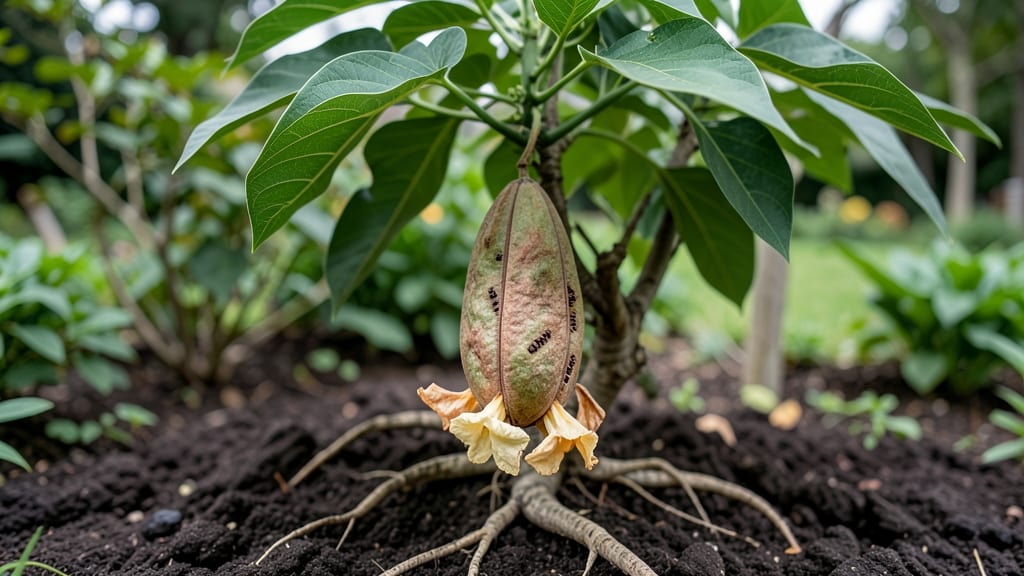
Handling angel trumpet seed pods safely ensures next year’s lush, fragrant blooms—but every step requires caution since every part of this plant is toxic. 🌿 I’ve learned the hard way that gloves, long sleeves, and a well-ventilated workspace aren’t optional when harvesting these pods.
The reward? Stunning, trumpet-shaped flowers that return season after season with minimal effort.
Start by identifying fully mature pods—they’ll turn brown, dry, and split open on their own. Wear gloves and work outdoors to avoid skin contact or inhalation of dust.
Once collected, place pods in a paper bag to dry in a shady, dry spot for 2-3 weeks, shaking occasionally to release seeds. This method preserves viability far better than rushing the process.
After drying, crack open the pods to extract seeds, then store them in a sealed envelope with silica gel packets in a cool, dark place. Germination is slow—expect 4-6 weeks in warm soil (70-75°F) under bright, indirect light.
Patience is key: angel trumpet seeds often need stratification (a cold period) to break dormancy, so mimic winter conditions if your climate is mild.
Low germination rates are normal—don’t be discouraged. If seeds fail to sprout, try fresh pods or adjust your soil mix to well-draining, slightly acidic medium. Always wash hands thoroughly after handling, and keep pods away from pets and children.
With care, you’ll soon have thriving angel trumpets ready to bloom again.
📚 In This Guide
- What you need
- Instructions
- Tips and common mistakes
- Wrapping up and next steps
What you need
- ● Fresh angel trumpet seed pods: Collect fully mature, dried pods (brown, papery texture) from healthy plants. Aim for 10–20 pods depending on your garden size.
- ● Pruning shears or sharp scissors: For cleanly harvesting pods without damaging the vine.
- ● Paper bags or breathable mesh bags: 2–3 bags (labeled with plant name/year) to allow airflow and prevent moisture buildup.
- ● Drying tray or wire rack: A flat surface (like a baking sheet) to spread pods for drying.
- ● Newspaper or paper towels: For lining the drying tray to absorb excess moisture.
- ● Permanent marker: To label bags with the date and plant variety.
- ● Airtight storage containers: 1–2 containers (glass jars with lids or resealable plastic bags) for long-term seed storage.
- ○ Desiccant packets (optional but recommended): 1–2 packets to absorb humidity inside storage containers.
- ● Hand lens or magnifying glass: For inspecting seed pods for pests or damage.
- ● Food dehydrator: If pods are damp, set to 95°F (35°C) for 12–24 hours to speed up drying.
- ● Humidity monitor: To track storage conditions (ideal: 30–40% humidity).
- ● Seed catalog or notebook: To record germination notes or planting tips for next year.
How to harvest and store angel trumpet seed pods for future plantings
Here's my foolproof method for preserving those striking seed pods—ready to grow next season's dramatic blooms.
🌿 Step 1: Identify and Harvest Mature Seed Pods
Wait until the seed pods turn a deep brown color and begin splitting open naturally—this usually happens in late fall after the blooms have fully faded. The pods should feel dry and papery to the touch, with seeds rattling inside when gently shaken. I use clean, sharp pruning shears to snip the pods from the stem, leaving a small portion attached to prevent seed loss.
Harvest on a dry day to avoid moisture that could encourage mold. Place the pods in a single layer on a paper towel-lined tray to air-dry for 24 hours. This initial drying prevents any hidden moisture from spoiling your stored seeds later. If you're working with multiple pods, label each with the variety name and harvest date using a soft pencil—ink can bleed through the paper.
🪴 Step 2: Complete the Drying Process Indoors
Move the pods to a warm, dry location indoors where the temperature stays between 65-75°F and humidity remains low. I place mine on a mesh screen or elevated rack to ensure airflow circulates underneath. A dehumidifier running nearby helps maintain ideal conditions, especially if your home tends to be damp.
Allow the pods to dry completely for 2-3 weeks, turning them occasionally to ensure even drying. You'll know they're ready when the seeds rattle loudly inside and the pods feel completely dry and brittle. If any pod shows signs of mold or softness, discard it immediately—this prevents contamination of your entire seed stash.
⏰ Step 3: Extract and Store the Seeds Properly
Once fully dry, gently crush each pod between your fingers over a clean sheet of paper to release the seeds. Angel trumpet seeds are large and easy to handle, so I avoid using tools that could damage them. Remove any chaff or debris by wafting the seeds gently with your hand or using a fine mesh strainer. Store the clean seeds in a small, airtight container like a glass jar or resealable plastic bag.
Add a packet of silica gel or a few uncooked rice grains to the container to absorb any residual moisture. Label the container with the seed type and harvest year, then place it in a cool, dark location like a pantry or seed storage box. Properly stored seeds remain viable for 2-3 years, though germination rates decline after the first year.
💧 Step 4: Prepare for Next Season's Planting
When you're ready to plant, soak the seeds in warm water for 12-24 hours to soften the seed coat and encourage faster germination. This step is crucial because angel trumpet seeds have a naturally thick coating that slows moisture absorption. After soaking, plant the seeds ½ inch deep in well-draining soil and keep the soil consistently moist but not soggy.
Germination can take 3-6 weeks, so patience is key. Once seedlings emerge, provide them with bright, indirect light until they're strong enough to handle direct sunlight. Avoid transplanting until the seedlings have developed at least 3-4 true leaves, as angel trumpet plants are sensitive to root disturbance.
Tips & tricks for perfect angel trumpet seed pod preservation
Here's what I've learned after perfecting this method over multiple seasons—details that make all the difference between viable seeds and wasted effort.
Timing is Everything: The 24-hour initial drying in Step 1 is non-negotiable for preventing mold. I've ruined entire harvests by skipping this step in humid weather—trust me, that paper towel tray becomes your best friend. Place pods in a well-ventilated area where airflow circulates from all sides, like an open kitchen cabinet with a fan running nearby. After the 24 hours, check each pod individually for moisture before moving indoors.
Environmental Control: Maintaining that 65-75°F range during the 2-3 week drying period is crucial. I've had to move my drying setup three times when summer heat waves hit unexpectedly. A simple solution? Place your drying rack inside a cardboard box with ventilation holes cut into the sides—this creates a microclimate that stabilizes temperature fluctuations. Monitor humidity with a small hygrometer if possible; aim for below 50% to prevent any moisture retention.
Seed Viability Check: Before storing, perform a quick viability test on a few seeds. Place them between damp paper towels in a sealed bag for 5 days at room temperature. If most seeds sprout, your entire batch is likely viable. I've saved myself from planting poor-quality seeds by doing this simple test—it's worth the extra week of waiting. This works particularly well for angel trumpet seeds since they're large and easy to handle.
Storage Container Strategy: While glass jars work perfectly, I've found that resealable plastic bags with zip-top closures actually preserve moisture better long-term. After adding your seeds, squeeze out as much air as possible before sealing—this creates an oxygen-free environment that prevents seed deterioration. Place the bag in a second airtight container with the silica gel packet to double-protect against humidity. Label the outer container with both the variety and harvest year in permanent marker.
Pro Tips for Angel Trumpet Seed Pod
- Here's what I've learned after perfecting this method over multiple seasons—details that make all the difference between viable seeds and wasted effort.
- Timing is Everything: The 24-hour initial drying in Step 1 is non-negotiable for preventing mold.
- Environmental Control: Maintaining that 65-75°F range during the 2-3 week drying period is crucial.
Frequently asked questions
Got questions about saving angel trumpet seed pods for next year’s garden? You’re not alone! Here are answers to the most common queries—from timing to troubleshooting—to help you master the dry-and-store method with confidence.
When is the best time to harvest angel trumpet seed pods?
Harvest pods when they’re fully dry and brown (usually late summer to early fall). If you pick them too early, seeds won’t mature; wait until pods split open naturally or gently pry them open. Avoid harvesting after rain to prevent mold.
How long do angel trumpet seeds stay viable when stored?
Properly dried and stored seeds typically stay viable for 1–2 years. Store them in a cool, dark place (like a sealed jar in the fridge) to maximize longevity. Check for moisture or pests annually—discard any seeds that smell musty or look discolored.
Can I use angel trumpet seeds from store-bought flowers?
Unfortunately, no—store-bought flowers are often hybrids or treated to prevent seed production. For reliable seeds, grow your own plants or source them from a reputable seed supplier specializing in angel trumpet (Brugmansia) varieties.
What should I do if my stored seed pods develop mold?
Mold means high humidity or poor airflow during drying/storage. If you spot mold, discard the affected pods immediately. To prevent it next time, spread pods in a single layer in a well-ventilated area for 2–3 weeks before storing in airtight containers with silica gel packets.
Are there alternatives to drying seed pods outdoors?
Yes! If humidity is high, dry pods indoors using a fan or dehumidifier in a warm, dry spot (like a sunny windowsill). For extra speed, place them in a paper bag with a few holes—this traps ethylene gas, which speeds up drying.
Wrapping up and next steps
Saving angel trumpet seed pods is a rewarding way to ensure next year’s stunning blooms—and you’re now equipped with the perfect dry-and-store method! 🌸 Whether you’re a seasoned gardener or just starting, this simple process guarantees fresh seeds for future growth. Ready to plant your vision? Grab those pods, follow your plan, and watch your garden thrive with vibrant, trumpet-shaped flowers year after year!
📅 Your Next Step:
- Mark your calendar for spring planting—angel trumpets love warm soil!
- Start small: Try a few pods to test your storage success before scaling up.
- Share your progress: Tag us in your garden pics—we’d love to see your blooms! 🌿