
Size
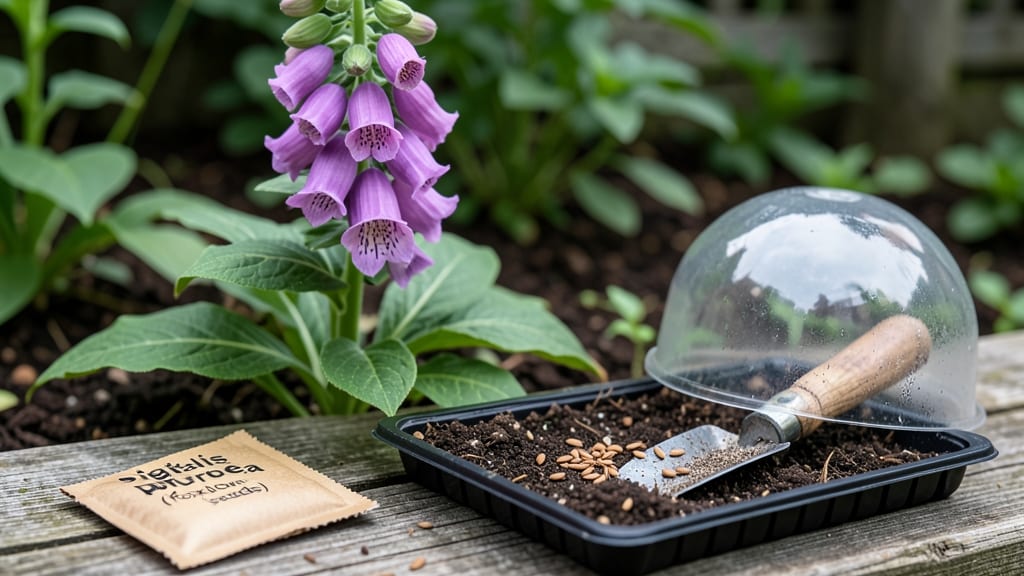
Growing foxglove from seed is the most rewarding way to fill your garden with those towering, bell-shaped blooms—but it requires a 90-day cold-stratification trick most gardeners miss. 🌱 I’ve learned the hard way that skipping this step means waiting years for germination, if it ever happens.
The secret lies in mimicking nature’s winter chill, and once you master it, you’ll have foxglove seedlings ready to transplant by early spring.
You’ll need just a few supplies: foxglove seeds (fresh or store-bought), a plastic bag, some damp peat moss or paper towels, and patience—this isn’t a quick project.
The process starts in late summer or early fall, when you’ll mix your seeds with the damp medium, seal them in the bag, and refrigerate them for 8-12 weeks. No fancy equipment, just your fridge doing the heavy lifting. The payoff?
Seedlings that emerge strong and true, not the weak, leggy sprouts you get from direct sowing.
Once those first pale green shoots appear—usually within 2-4 weeks of removing them from cold—they’ll need bright, indirect light and consistent moisture to keep growing.
Transplant them into small pots when they’ve got a few true leaves, and by spring, you’ll have sturdy young plants ready for their permanent spot in the garden.
The key is not rushing: foxglove seeds are stubborn, but once they break dormancy, they’ll grow into those iconic 5-6 foot giants you’ve been dreaming of.
This method works best in zones 3-8, and while it takes time, the results are worth it—foxglove thrives for years with minimal care once established. Just avoid overcrowding, and you’ll have a garden filled with those beloved purple, pink, or white bells for decades. Ready to try it?
📚 In This Guide
- What you need
- Instructions
- Tips and common mistakes
- Wrapping up and next steps
What you need
- ● Foxglove seeds: 10–20 seeds (choose heirloom or open-pollinated varieties for best results).
- ● Seed-starting mix: 1–2 gallons of sterile, well-draining potting soil (look for a mix labeled for seeds or seedlings).
- ● Containers: Small seed trays or pots (4–6 inches deep) with drainage holes, or
- ● Individual peat pellets or biodegradable pots (for easy transplanting).
- ● Cold-stratification supplies: Plastic bag or airtight container (for moisture retention), or
- ● Refrigerator with a crisper drawer (for temperature control, ~35–40°F).
- ● Spray bottle: For gentle watering (avoid over-saturating seeds!).
- ● Grow lights or sunny windowsill: A south-facing window or LED grow lights (12–16 hours/day) for seedlings.
- ● Fertilizer: Balanced, water-soluble fertilizer (5-10-5 ratio) for seedlings.
- ● Transplanting tools: Small trowel or spoon for moving seedlings.
- ● Humidity dome or plastic wrap (to retain moisture during germination).
- ● Heating mat (for faster germination, especially in cool climates).
- ● Liquid seaweed extract (boosts root growth—just 1 tsp per gallon of water!).
- ● Garden journal (to track stratification dates and seedling progress!).
- ● Mulch (after transplanting, to protect young plants from temperature swings).
Step-by-Step instructions for growing foxglove from seed
Cold stratification is the secret to breaking foxglove seeds' dormancy—here's how to do it right.
🌱 Step 1: Collect and Prepare Seeds
Harvest foxglove seeds from mature seed pods when they turn brown and dry in late summer or early fall. Split open the pods to release the tiny, flat seeds inside. I like to store them in a paper envelope in a cool, dry place until stratification—foxglove seeds need this chilling period to germinate.
Don't rush this step. Seeds need a 30-90 day cold treatment to mimic winter conditions. If you're starting in early winter, you can plant them directly in the garden and let nature handle the stratification. Otherwise, place the seeds in a sealed plastic bag with slightly damp sand or peat moss and refrigerate.
❄️ Step 2: Stratify Seeds for 60 Days
Keep the sealed bag of seeds in your refrigerator for 60 days—this is critical. The cold period breaks dormancy and prepares the seeds for germination. Check the moisture level every few weeks; the sand or peat moss should stay damp but not soggy. If it dries out, add a few drops of water and reseal the bag.
I set a reminder in my phone for day 60 so I don't forget. Foxglove seeds won't germinate without this cold treatment, so don't skip it. After 60 days, remove the bag from the fridge and let it sit at room temperature for 24 hours to warm up before sowing.
🌿 Step 3: Sow Seeds in Early Spring
Fill small seed trays or individual pots with a well-draining seed-starting mix. Scatter the seeds on the surface—foxglove seeds are tiny, so don't worry about depth. Lightly press them into the soil so they make contact but don't bury them. I use a small spoon to gently tap the seeds into place.
Cover the trays with plastic wrap or a humidity dome to retain moisture. Place them in a warm, bright spot—65-70°F is ideal. Keep the soil consistently moist but not waterlogged. Germination can take 2-4 weeks, so patience is key. You'll know it's working when you see the first tiny green shoots pushing through the soil.
☀️ Step 4: Transplant Seedlings Outdoors
Once seedlings have 2-3 sets of true leaves (not just the initial seed leaves), they're ready to move outdoors. Harden them off by placing them in a sheltered spot for 1-2 hours the first day, gradually increasing their time outside over 7-10 days. This helps them adjust to outdoor conditions without shock.
Choose a location with partial shade—foxglove thrives in dappled sunlight or light shade. Plant them 12 inches apart in well-draining soil. Water deeply after transplanting to help the roots establish. You'll see new growth within a few weeks, signaling that they've taken root successfully.
🪴 Step 5: Maintain and Care for Young Plants
Keep the soil consistently moist but not soggy, especially during the first growing season. Foxglove plants are biennials, meaning they'll bloom in their second year. In their first year, focus on helping them establish strong roots. Fertilize lightly with a balanced, water-soluble fertilizer every 4-6 weeks during the growing season.
Watch for pests like slugs and snails, which love young foxglove seedlings. I use organic slug bait around the base of the plants to protect them. By the end of the first growing season, your seedlings will be sturdy and ready to overwinter, setting the stage for stunning blooms next year.
Tips & tricks for perfect foxglove seed stratification
These simple strategies will help you navigate the quirks of foxglove seed germination and set your plants up for success.
Cold Treatment Precision: The 30-90 day cold treatment range in Step 1 gives you flexibility, but I've found that 60 days (as specified in Step 2) provides the most reliable results. If you're impatient and want to test germination earlier, try removing some seeds after 45 days—you might get lucky! Just remember, the longer they chill, the better their chances of breaking dormancy.
Moisture Management: In Step 2, maintaining that "damp but not soggy" moisture level is crucial. I like to use a spray bottle to mist the sand or peat moss every 2-3 weeks rather than adding water directly. This prevents clumping and keeps the seeds evenly moist. If you notice mold developing, it's a sign you've gone too wet—open the bag and let it air out for a day.
Stratification Shortcut: If you're starting your foxglove seeds in early winter (as mentioned in Step 1), you can skip the refrigeration entirely and plant them directly in the garden. The natural winter freeze will handle the stratification for you. This works particularly well in colder climates where temperatures consistently drop below freezing.
Germination Timing: The 2-4 week germination window in Step 3 can feel like forever, but there are ways to encourage faster results. After your seeds have completed their 60-day cold treatment and warmed up for 24 hours, place your seed trays under a grow light for 12-14 hours a day. This extra light can help trigger germination more quickly, though patience is still key with foxglove seeds.
Pro Tips for Foxglove Seed Grow A Garden
- These simple strategies will help you navigate the quirks of foxglove seed germination and set your plants up for success.
- Cold Treatment Precision: The 30-90 day cold treatment range in Step 1 gives you flexibility, but I've found that 60 days (as specified in Step 2) provides the most reliable results.
- Moisture Management: In Step 2, maintaining that "damp but not soggy" moisture level is crucial.
Frequently asked questions
Got questions about growing foxglove from seed? You’re not alone—this striking perennial can be a little tricky! Here are answers to the most common queries to help you cultivate foxglove (Digitalis) with confidence.
How long does it take for foxglove seeds to germinate?
Foxglove seeds need cold stratification (4–6 weeks in the fridge) before planting. After sowing outdoors in fall or spring, germination typically takes 2–4 weeks in ideal conditions (moist, cool soil, 60–70°F). Patience is key—don’t rush it!
Can I grow foxglove from seed indoors first?
Yes! Start seeds indoors 8–10 weeks before your last frost in trays with well-draining soil. Use a heat mat (70°F) for faster germination, then transplant seedlings outdoors after hardening off. Pro tip: Foxglove thrives in partial shade, so avoid sunny windowsills.
Why aren’t my foxglove seeds sprouting?
Common culprits:
- Poor stratification—ensure seeds spent 4–6 weeks in the fridge (not freezer!).
- Too-wet soil—foxglove hates soggy roots. Keep soil moist but not waterlogged.
- Old seeds—foxglove seeds lose viability after 1–2 years. Buy fresh!
How do I keep foxglove blooms coming back every year?
Foxglove is a biennial or short-lived perennial, so blooms may fade after 2–3 years. To encourage regrowth:
- Deadhead spent flowers to redirect energy to roots.
- Divide mature clumps in early spring to rejuvenate plants.
- Plant in partial shade and rich, well-draining soil.
What’s a good alternative if foxglove is too finicky?
If foxglove’s germination quirks frustrate you, try these easy-from-seed alternatives with similar height and drama:
- Snapdragons (Antirrhinum)—annual, cold-hardy, and self-seeding.
- Lungwort (Pulmonaria)—perennial with spotted foliage and early blooms.
- Delphinium—tall, spiky blooms; needs stratification but rewards patience.
Wrapping up and next steps
Growing foxglove from seed is a rewarding journey that blends patience with stunning results—and you’ve now got the cold-stratified blueprint to make it happen in just 90 days! 🌱 With the right soil, timing, and care, your garden will soon be adorned with towering spikes of delicate blooms, attracting pollinators and adding drama to any space. Don’t stop here—once your seedlings sprout, experiment with companion plants or try growing foxglove in containers for a portable touch of whimsy!
🌟 Next Steps:
- Plant your seeds—follow your cold-stratified schedule and watch the magic unfold!
- Share your progress—tag us or fellow gardeners to celebrate your blooming success!