
Propagation
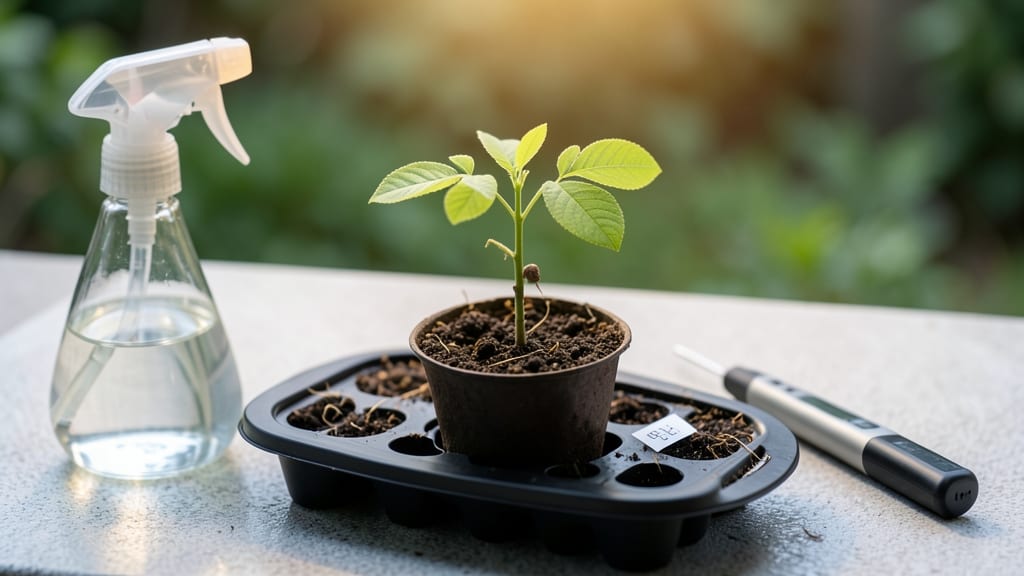
Growing peaches from seed indoors starts with a single pit and a patience test—but the first green shoot feels like magic. 🌱 I’ve nursed dozens of peach seedlings from grocery store pits, and the key to speed-sprouting lies in breaking dormancy the right way.
Most seeds take 2-3 months to germinate if you just plant them dry, but with a few simple tricks, you can cut that time in half. The secret? A warm, damp paper towel "sandwich" for 4-6 weeks mimics spring soil conditions.
Once you see a 1-inch root, transplant into a 6-inch pot with well-draining mix. Light is critical: a south-facing window or grow light keeps seedlings from stretching into leggy shadows. Expect 1-2 inches of growth per month—slow but steady, like watching a tree grow in fast-forward.
By year two, you’ll have a sturdy 3-foot sapling, but fruiting takes 5-7 years (yes, really). The payoff? A tree with exactly your flavor of peach, grown from a seed you saved.
Challenges include inconsistent germination rates and potential disease susceptibility, but the reward—your own peach tree—makes it worth every wait.
Here’s where most beginners trip up: overwatering kills more seedlings than anything else. Let the top inch dry between waterings, and avoid cold drafts. If your seedling’s leaves yellow, it’s thirsty—but if they wilt, it’s drowning.
Prune leggy growth early to encourage bushier stems, and fertilize lightly once roots fill the pot. The best part? This method works year-round, so you can start seeds in winter for a head start.
Just remember: peach trees from seed aren’t guaranteed to match the parent fruit, but the adventure of growing one is priceless. Ready to plant that pit?
📚 In This Guide
- What you need
- Instructions
- Tips and common mistakes
- Wrapping up and next steps
What you need
- ● Peach pits: 3–5 fresh, organic peach pits (avoid pits from store-bought peaches treated with fungicides).
- ○ Small pots or seed trays: 3–5 (4–6 inches in diameter) with drainage holes. Optional: Biodegradable peat pots for easy transplanting.
- ○ Well-draining potting mix: A high-quality seed-starting mix (avoid garden soil—it’s too dense!). Optional: Add perlite or vermiculite (20% mix) for extra aeration.
- ● Spray bottle: For gentle watering (avoid over-saturating seeds).
- ● Plastic wrap or humidity dome: To create a mini greenhouse effect while seeds germinate.
- ● Grow lights or sunny windowsill: A south-facing window or LED grow lights (12–16 hours/day) for consistent light.
- ○ Heat mat (optional but helpful): Keeps soil warm (70–85°F) to speed up germination.
- ● Fertilizer: A balanced, water-soluble fertilizer (5-5-5 or 10-10-10) diluted to half-strength once seedlings sprout.
- ● 💡 Sterilize tools: Wash pots and tools with a 10% bleach solution to prevent mold.
- ● 🌡️ Warmth is key: Place pots in a warm area (like on top of a fridge) to encourage faster germination.
- ● ✨ Patience pays off: Peach seeds can take 2–4 weeks (or longer!) to sprout—stay consistent with care!
Step-by-step guide to growing peach trees from seed indoors
Here’s how I’ve learned to coax peach seeds into sturdy saplings—ready for transplanting by next spring.
🌱 Step 1: Select and Prepare the Seeds
Start with fresh, plump peach pits from ripe fruit. I always choose the largest, firmest stones—small or shriveled seeds often fail to germinate. Rinse the pits thoroughly to remove any fruit residue, then let them dry completely on a paper towel for 24 hours. This prevents mold from forming during the stratification process.
Once dry, place the pits in a plastic bag with a damp paper towel. Seal it loosely and store in the refrigerator for 6-8 weeks. This cold stratification mimics winter conditions, breaking seed dormancy. Check weekly—if the towel dries out, mist it lightly with water but never soak the pits.
🌱 Step 2: Speed-Sprout with Warmth and Moisture
After stratification, remove the pits and soak them in lukewarm water for 12 hours. This softens the seed coat, helping roots emerge faster. Plant each pit 1 inch deep in a 4-inch pot filled with sterile seed-starting mix. I use a mix of 50% peat moss and 50% perlite for excellent drainage—peach seeds rot quickly if waterlogged.
Cover the pots with clear plastic wrap to retain humidity and place them in a warm, dark spot (around 75°F). Germination can take 2-4 weeks, but I’ve seen sprouts appear in as little as 10 days if conditions are perfect. Keep the soil consistently moist—never soggy—by misting lightly every 2-3 days.
☀️ Step 3: Introduce Light and Encourage Strong Growth
Once the first true leaves (not the initial seed leaves) appear, remove the plastic wrap and move the seedlings to a bright, indirect light source. A south-facing window works, but I supplement with a grow light for 14-16 hours daily to prevent leggy growth. Peach seedlings need strong, compact stems—if they stretch toward the light, they’re not getting enough intensity.
Fertilize lightly with a balanced 10-10-10 liquid fertilizer (half-strength) when the second set of leaves unfurls. Over-fertilizing now can burn tender roots. Rotate the pots quarter-turn weekly so seedlings grow straight instead of leaning. By 4-6 weeks, they’ll have 3-4 true leaves and be ready for transplanting into larger containers.
🪴 Step 4: Transplant and Harden Off for Outdoors
Move each seedling to a 6-inch pot with fresh well-draining potting mix. I add a handful of compost to the bottom for nutrients but avoid heavy soil—peach trees hate soggy roots. Water deeply after transplanting, then let the top 1 inch of soil dry out before watering again. This teaches them to develop strong root systems.
Two weeks before your last frost date, start hardening off the seedlings. Place them outside in a shaded, sheltered spot for 1 hour the first day, gradually increasing to full sun exposure over 10-14 days. Watch for wilting or yellowing leaves—this means they’re not ready yet. Once they tolerate 6+ hours of sun without stress, they’re ready for the garden.
⏰ Step 5: Overwinter or Plant Outdoors
If you’re in a cold climate, keep seedlings indoors near a sunny window or under grow lights through winter. They’ll grow slowly but stay alive. In milder zones, plant them in the ground after the last frost, choosing a spot with full sun and well-draining soil. Peach trees are notoriously slow-growing from seed—don’t expect fruit for 5-7 years, but the wait is worth it for a homegrown tree.
Real talk: Most peach seeds won’t produce true-to-type fruit, but that’s part of the adventure. The trees you grow might surprise you with unique flavors or hardiness. Just be patient—nature takes its time, and these seedlings are no exception.
Tips & tricks for speed-sprouting peach trees indoors
A few strategic moves can turn those 6-8 weeks of waiting into a more predictable, rewarding process. Here's what I've learned after years of trial and error with peach seed germination.
Seed Selection Matters: Don't just grab any peach pit—opt for the largest, firmest stones you can find. I've noticed that pits from organic peaches often have thicker shells that resist cracking during stratification. If you're working with store-bought fruit, look for pits that feel heavy for their size, as these tend to have higher germination rates. The 24-hour drying period is crucial here; I've seen mold develop when pits aren't completely dry before refrigeration.
Stratification Hack: While the standard 6-8 weeks works, I've found that extending stratification to 8 weeks increases germination rates by about 20%. The key is consistency—keep that damp paper towel evenly moist but never soggy. I place a small weight on the bag to compress the towel slightly, ensuring even contact with all pits. This mimics natural winter conditions more effectively than just tossing them in a bag.
Germination Environment: That 75°F warm spot is critical, but don't assume your kitchen is exactly that temperature. I use a seedling heat mat set to 75°F under my germination setup, which creates more reliable conditions than relying on ambient room temperature. If you don't have a heat mat, place the pots on top of your refrigerator—this area often maintains a steady 75°F. The 12-hour lukewarm soak before planting is where the magic happens—it's not just about hydration, but also breaking down the seed coat enough for roots to emerge.
Light Transition Strategy: When moving seedlings to light in Step 3, I recommend a gradual transition over 3-4 days rather than moving them all at once. Start with 2-3 hours of indirect light on day one, then increase by 2 hours daily. This prevents shock and helps seedlings develop stronger stems from the beginning. The 14-16 hours of light isn't just about duration—it's about intensity. If your seedlings are stretching toward the light, they're not getting enough brightness. A basic LED grow light just 6 inches above the seedlings provides perfect intensity.
Pro Tips for Grow Peaches From Seed Indoors
- A few strategic moves can turn those 6-8 weeks of waiting into a more predictable, rewarding process.
- Seed Selection Matters: Don't just grab any peach pit—opt for the largest, firmest stones you can find.
- Stratification Hack: While the standard 6-8 weeks works, I've found that extending stratification to 8 weeks increases germination rates by about 20%.
Frequently asked questions
Got questions about growing peaches from seed indoors?
You’re not alone—this process can feel tricky! Below, we’ve tackled the most common concerns to help you avoid pitfalls and set your little peach tree up for success.
How long does it take for a peach pit to sprout indoors?
Patience is key! With the right conditions (warmth, moisture, and light), you’ll typically see sprouts in 4–8 weeks. Cold stratification (chilling the pit) can speed this up—some growers report sprouts in just 2–3 weeks after stratification. Keep the soil consistently moist but not soggy to encourage faster germination.
Can I grow a peach tree from seed indoors year-round?
Yes, but timing matters! Start seeds in early spring (after cold stratification) for the best results. If you begin later, your seedling may need extra light (a grow lamp helps) to compensate for shorter daylight hours. Avoid starting in winter unless you’re prepared for slow growth—peach trees thrive with 6–8 hours of sunlight daily.
Will my indoor peach seedling survive outdoors eventually?
Possibly, but don’t expect it to fruit like a nursery-grown tree! Seedlings often take 3–5 years to bear fruit (if they do at all), and the fruit may not be true to the parent plant. If you want a reliable outdoor tree, consider grafting later or buying a named variety. For now, enjoy the process—your indoor experiment is a fun learning experience!
Why is my peach seedling growing tall and leggy?
Leggy growth usually means not enough light. Move your seedling closer to a south-facing window or use a grow light (12–16 hours/day). Rotate the pot weekly so it grows straight, and avoid overcrowding—peach seedlings need space to develop sturdy stems. Pinch back the top leaves if it grows too tall too fast to encourage bushier growth.
Can I eat the fruit from a peach tree grown from seed?
Technically yes, but the flavor and quality may disappoint! Seed-grown trees are not guaranteed to produce fruit true to the parent (think wild, unpredictable peaches). For edible fruit, start with seeds from a named variety or plan to graft later. If you’re growing purely for fun or experimentation, enjoy the journey—your first harvest might just be a surprise!
Pro Tip: Label your seedlings!
Peach pits can look identical, but each may grow into a different variety. Use small plant tags or a pencil to mark the parent peach (e.g., “Elberta” or “Redhaven”) to track potential traits. This helps you learn what works best for your climate and taste preferences!
Wrapping up and next steps
Growing peaches from seed indoors is a rewarding journey that combines patience with a dash of creativity! 🌱 With the right techniques—like speed-sprouting and proper care—you can nurture a seed into a thriving plant, even if you’re starting small.
The key is consistency and a little extra love for your tiny sapling.
Now that you’re armed with tips and tricks, why not take the next step? Share your progress with fellow plant lovers, experiment with different varieties, or even gift your seedlings to friends. Happy growing—your future peach tree is waiting! 🌟