
Propagation
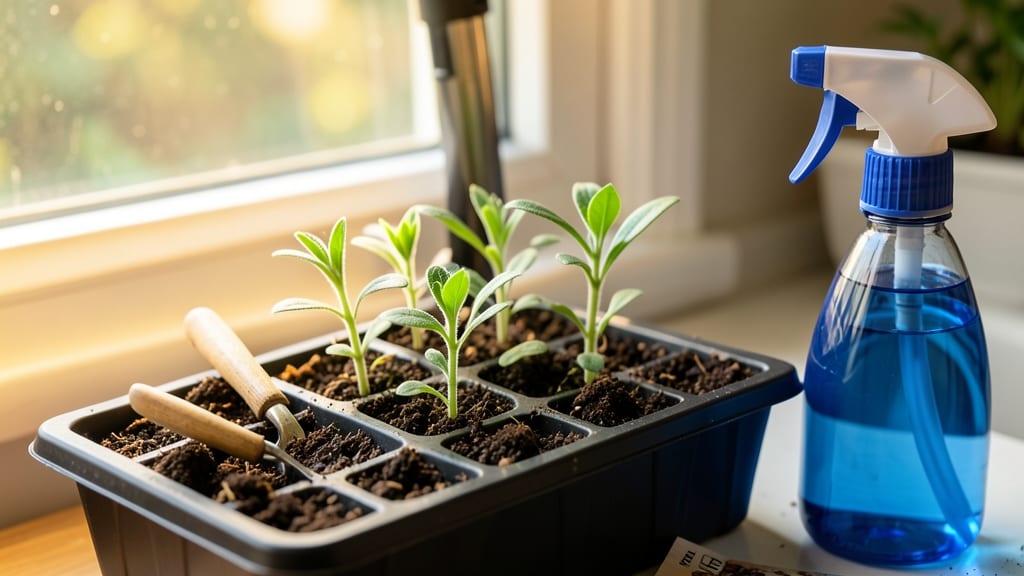
Growing snapdragons from seed indoors lets you beat the heat and enjoy vibrant blooms all summer—compact heat mats cut germination time in half. 🌱 I've sown snapdragons for years, and the difference between a slow start and a quick, sturdy batch of seedlings comes down to warmth, patience, and the right setup.
The first true leaves appear in 7-10 days with heat, versus 2-3 weeks without it.
You only need a few supplies: seed-starting mix, small containers (like cell packs), a heat mat, and a grow light. Snapdragons thrive in well-draining soil, so mix in perlite or vermiculite to prevent damping-off.
Plant seeds 1/8 inch deep, barely covering them, and keep them moist—not soggy. A humidity dome or plastic wrap helps, but remove it once sprouts appear.
Once seedlings have two sets of leaves, they're ready for their first light boost—12-14 hours of bright light daily prevents legginess. Thin to one seedling per cell to avoid competition, and harden off for 7-10 days before transplanting after frost.
The payoff? Taller, bushier plants that bloom 2-3 weeks earlier than store-bought starts.
Troubleshooting is simple: leggy seedlings mean more light; yellow leaves mean overwatering. Snapdragons love cool weather, so don’t rush them into the ground too early. With this method, you’ll have colorful spikes of blooms from early summer until frost—and the satisfaction of growing them yourself.
📚 In This Guide
- What you need
- Instructions
- Tips and common mistakes
- Wrapping up and next steps
What you need
- ● Snapdragon seeds: High-quality, non-GMO seeds (choose heirloom or hybrid varieties like 'Black Knight' or 'Rocket' for vibrant blooms). Aim for 10-20 seeds depending on your growing space.
- ● Seed-starting trays or seedling pots: 2-3 inch deep containers (biodegradable pots or a seed tray with cell inserts work well). A 10-pack or 20-pack is ideal for beginners.
- ● Seed-starting mix: Lightweight, sterile potting soil blend (avoid garden soil—it’s too dense). A 10-quart bag covers most starter setups.
- ● Compact heat mat: A 10x20 inch mat (or larger) to maintain soil warmth (70-75°F) for faster germination.
- ● Grow lights or sunny windowsill: A LED grow light (12-16 inches above seedlings) or a south-facing window with 6+ hours of sunlight daily.
- ● Spray bottle: For gentle watering (avoid over-saturating seeds). A 16-ounce misting bottle works perfectly.
- ● Plastic wrap or humidity dome: To retain moisture while seeds germinate (clear plastic wrap or a clear lid for seed trays).
- ● Plant labels: Small markers or popsicle sticks to track varieties (especially useful if growing multiple types).
- ● Fertilizer (balanced, water-soluble): A 10-10-10 or 5-5-5 formula (diluted to half-strength) for early feeding.
- ○ Thermometer/hygrometer: To monitor soil temperature and humidity levels (optional but handy for precision).
- ● Tweezers: For delicate seed placement (especially tiny snapdragon seeds).
- ● Fan (small oscillating): To promote strong stems by gently circulating air (prevents leggy seedlings).
Step-by-step instructions for growing snapdragons from seed indoors
Here's my foolproof method for coaxing snapdragons from seed—using a heat mat to cut germination time in half.
🌱 Step 1: Prepare Containers and Seed Starting Mix
Fill 4-inch deep cell trays with a sterile seed-starting mix—never garden soil, which can harbor fungal spores that attack tender seedlings. I like to blend mine with 20% perlite for extra drainage. Moisten the mix until it holds together when squeezed but doesn't drip, then press it down gently in each cell to create a firm planting surface.
This ensures the seeds stay in place and have good contact with the warm mat below. If your mix feels too loose, tap the tray lightly on the table to settle it without compacting. I always use biodegradable peat pots for snapdragons because they dislike root disturbance when transplanting.
🌱 Step 2: Sow Seeds at the Right Depth and Temperature
Plant 2-3 seeds per cell at a depth of ¼ inch—about the diameter of a pencil eraser. Snapdragons have tiny seeds, so I use a toothpick to create small divots and place them precisely. Cover lightly with additional mix, then mist gently with water until the surface looks evenly damp.
Here's the trick: place the tray on a seedling heat mat set to 75-80°F. This warmth triggers germination in 5-7 days (half the time it takes at room temperature). Keep the tray covered with a clear plastic dome to retain moisture and warmth until sprouts appear.
💧 Step 3: Maintain Moisture and Light After Germination
Once you see first true leaves (not the initial seed leaves), remove the dome immediately—trapped humidity invites damping-off disease. Water from the bottom by placing the tray in ½ inch of water for 10 minutes, then drain excess. You'll know moisture is perfect when the soil surface looks slightly damp but not glistening.
Move seedlings under grow lights positioned 2-3 inches above the plants for 14-16 hours daily. Snapdragons need bright light to prevent leggy growth. You'll spot leggy seedlings as thin stems with leaves spaced far apart—this means your light is too weak or distant.
✂️ Step 4: Thin and Harden Off for Transplanting
When seedlings have 3-4 true leaves, thin to the strongest plant per cell by snipping the others at soil level with clean scissors. This prevents overcrowding and gives remaining plants room to grow. I always fertilize lightly with a half-strength liquid fertilizer at this stage to encourage root development.
Two weeks before your last frost, begin hardening off by placing seedlings outside in partial shade for 1-2 hours daily, gradually increasing time. Watch for wilting or yellowing—if this happens, they're not ready yet. Once they tolerate full sun exposure without stress, they're ready for the garden.
🪴 Step 5: Transplant to Final Location
Choose a sunny spot with well-draining soil—snapdragons thrive in full sun to partial shade. Dig holes twice as wide as the root ball but no deeper. Gently remove seedlings from their pots, loosen roots if they're circling, and place them in the holes at the same depth they were growing indoors.
Water deeply after planting to settle the soil and remove the plastic pots if using biodegradable ones. Mulch with 1-2 inches of organic mulch to retain moisture and suppress weeds. You'll see new growth within 7-10 days—that's your signal everything is working.
Tips & tricks for growing snapdragons indoors
Here's what I've learned to make snapdragon germination foolproof—and why those extra steps make all the difference.
Heat Mat Precision: Snapdragons need that 75-80°F warmth to germinate reliably. I've found placing a thermometer on the mat confirms consistent heat—some cheap mats run cooler. If your kitchen stays below 65°F, consider a second heat mat or move the tray to a warmer spot like near a sunny window (but not in direct sunlight yet). The goal is to maintain that 75-80°F range constantly during the 5-7 day germination window.
Seed Spacing Secret: When planting your 2-3 seeds per cell at ¼-inch depth, use a toothpick to create divots slightly larger than the seeds. This prevents seeds from sinking too deep or getting buried unevenly. I like to label each cell with the planting date—this helps track which seeds germinated first and which might need a little more patience. Remember, snapdragons are slow starters compared to other flowers.
Dome Management: That clear plastic dome isn't just for looks—it creates a microclimate that keeps humidity at 90%+ during germination. But once you see first true leaves, remove it immediately to prevent damping-off. I've seen entire trays lost to this fungal disease when growers wait too long. After removing the dome, prop it up slightly above the tray to allow airflow while still maintaining humidity.
Lighting Troubleshooting: For those 14-16 hours of daily light, position your grow lights 2-3 inches above the seedlings and adjust as they grow. I've found snapdragons develop legginess when lights are too far (4+ inches) or too weak. Look for seedlings stretching toward light with elongated stems—this is your signal to move lights closer or increase wattage. A simple LED grow bulb works wonders for this stage.
Pro Tips for Grow Snapdragons From Seed Indoors
- Here's what I've learned to make snapdragon germination foolproof—and why those extra steps make all the difference.
- Heat Mat Precision: Snapdragons need that 75-80°F warmth to germinate reliably.
- Seed Spacing Secret: When planting your 2-3 seeds per cell at ¼-inch depth, use a toothpick to create divots slightly larger than the seeds.
Frequently asked questions
Got questions about growing snapdragons from seed indoors?
Here are answers to the most common ones to help you succeed—no guesswork required!
How long does it take for snapdragon seeds to germinate indoors?
With a heat mat (70–75°F), snapdragon seeds typically sprout in 7–14 days. Without one, germination can take 2–4 weeks. Keep soil consistently moist but not soggy—patience pays off!
Can I start snapdragons too early indoors?
Yes, but 8–10 weeks before your last frost is ideal. Starting too early (e.g., winter) risks leggy seedlings. Use grow lights 14–16 hours/day to prevent stretching. If you’re in a warm climate, adjust timing to avoid bolting.
Why aren’t my snapdragon seeds sprouting?
Check these fixes:
- Temperature: Seeds need warmth (use a heat mat if soil feels cool).
- Moisture: Keep soil damp but not waterlogged—use a spray bottle.
- Depth: Seeds need light; press them just below the surface (no burial).
- Freshness: Old seeds (over 2 years) may fail—test a few in a separate tray.
Should I thin snapdragon seedlings, and how?
Yes! Once seedlings have 2–3 sets of true leaves, thin to 12–18 inches apart (check seed packet for variety spacing). Use scissors to snip at soil level—never pull to avoid disturbing roots.
What if my snapdragons get leggy indoors?
Leggy seedlings mean not enough light. Move them closer to grow lights (4–6 inches away) or add a second light. Rotate trays daily for even growth. If too late, transplant deeper into soil to stabilize stems.
Do snapdragons need cold stratification before indoor growing?
No! Snapdragons are not cold-requiring—skip this step. Direct sow or start seeds indoors at 70°F for best results. Some gardeners pre-chill for 1–2 weeks to mimic outdoor conditions, but it’s optional.
Wrapping up and next steps
Growing snapdragons from seed indoors is a rewarding journey that starts with patience and the right tools—especially a compact heat mat to speed up germination! 🌱 With proper lighting, soil, and care, you’ll soon enjoy vibrant blooms that add charm to your garden.
Once your seedlings are strong and ready, the next exciting step is transplanting them outdoors or nurturing them further indoors for a stunning display.
Don’t wait—grab your seeds, set up your heat mat, and let the magic of snapdragons unfold! 🌸 Happy growing!