
Size
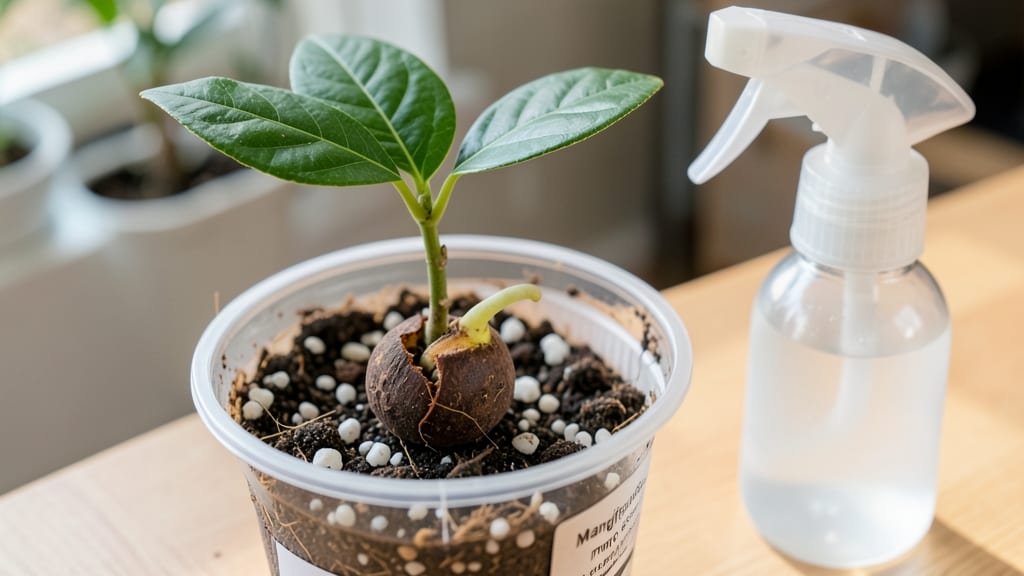
That pit from the juicy mango you just ate can grow a garden with just patience and the right conditions—starting with a single seed. 🌱 I’ve turned kitchen scraps into lush, leafy mango seedlings—some now standing taller than me—by following a few key steps that work even for beginners.
The magic happens in 3 months, though the real payoff (fruit!) takes years. What starts as a tiny seed can become a statement piece in your garden or patio, even if you live outside the tropics.
You’ll need well-draining soil, a sunny spot (or grow lights), and a warm spot—70°F+ is ideal for germination. Most people skip the pre-soaking step, but I’ve found soaking the seed for 24 hours before planting nearly doubles your chances of success.
The first sprouts appear in 2-4 weeks, but don’t rush transplanting—let those roots stretch out in their cozy starter pot first. Patience here saves you from leggy, weak seedlings later.
By month three, your seedling could be 12-18 inches tall with glossy, deep-green leaves—proof that tropical trees can thrive outside their native climates. The real thrill? Watching it grow from a speck to a small tree, even if fruiting takes 3-5 years.
With the right care, you’ll have a living reminder of that perfect summer mango, right in your own space.
Indoor growers can keep their mango tree alive year-round with bright light and occasional pruning, while outdoor gardeners in warmer zones can plant it permanently after the last frost. The key is consistency: water when the top inch of soil dries, and fertilize lightly every few months.
Mistakes? Overwatering is the biggest—yellow leaves mean you’re drowning those roots. Let’s get that seed planted!
📚 In This Guide
- What you need
- Instructions
- Tips and common mistakes
- Wrapping up and next steps
What you need
- ● Mango seed: 1–2 fresh, plump seeds (harvested from a ripe, organic mango—avoid hybrid varieties)
- ● Small pots (4–6 inches in diameter): 2–3 (use biodegradable pots if transplanting later)
- ● Well-draining potting mix: 1 bag (look for a blend with perlite or coconut coir)
- ● Spray bottle: 1 (for gentle watering)
- ● Clear plastic wrap or humidity dome: 1 (to retain moisture)
- ● Fertilizer (balanced, 10-10-10 or organic): 1 small bottle (for later stages)
- ● Sunlight access: A warm, sunny spot (south-facing window or grow light)
- ● Seedling heat mat: 1 (speeds up germination in cooler climates)
- ● Grow light: 1 (if natural light is limited)
- ● Pruning shears: 1 (for shaping the tree as it grows)
- ● Mulch (straw or wood chips): 1 bag (once transplanted outdoors)
- ● Trellis or stake: 1 (for support if grown indoors long-term)
Step-by-Step instructions for growing a mango tree from seed
Here’s how to transform a kitchen scrap into a thriving tropical tree—with patience and the right care.
🌱 Step 1: Extract and Prepare the Seed
Start by splitting open a ripe mango and carefully removing the large, flat seed inside. Rinse it under cool water to remove any fruit residue, then let it dry completely for 24 hours—this prevents rot once planted. The seed’s thick outer shell slows germination, so I like to gently sandpaper one side to thin it slightly. This isn’t required, but it can speed up sprouting by 3-5 days.
Place the seed between two paper towels, dampened but not soaking, and fold the towels around it. Store in a sealed plastic bag to maintain humidity. Check daily—keep the towels moist but never soggy. Within 7-14 days, you’ll see a small white root emerge from the sanded side. This is your signal to move to soil.
🪴 Step 2: Plant the Germinated Seed in Soil
Use a small 4-inch pot filled with a lightweight seed-starting mix—never garden soil, which can compact and suffocate roots. Press the mix firmly around the seed, leaving the top half exposed above soil level. This prevents the seed from rotting while allowing the root to anchor.
Water gently until moisture seeps from the drainage hole, then place the pot in a warm, bright spot (65-75°F). A seedling heat mat helps maintain consistent warmth, especially if your home runs cooler. Keep the soil evenly moist—not soggy, but never dry. You’ll see the first true leaves (not the initial seed leaves) emerge in 4-6 weeks.
☀️ Step 3: Provide Ideal Light and Humidity
Mango seedlings crave bright, indirect light—think filtered sunlight or a grow light 6-8 inches away for 12-14 hours daily. Direct sun at this stage can scorch delicate leaves. Rotate the pot weekly so the seedling grows straight, not lopsided. If humidity drops below 50%, mist the leaves lightly daily or use a humidity dome to mimic tropical conditions.
Watch for yellowing leaves—this usually means overwatering. Let the top inch of soil dry out between waterings. Once the seedling reaches 6 inches tall (about 3-4 months), it’s ready for its first repotting into a 6-inch container with standard potting mix. This encourages stronger root development before transitioning outdoors.
⏰ Step 4: Transition to Outdoor Conditions
After the last frost, acclimate your mango seedling to outdoor life by placing it in partial shade for 2-3 hours daily, gradually increasing exposure over 10-14 days. Choose a spot with morning sun and afternoon shade—mangoes thrive in USDA Zones 10-11, but young trees can survive cooler climates if brought indoors during winter.
Fertilize lightly with a balanced 10-10-10 formula diluted to half strength once a month during growing season. Avoid heavy feeding—you’re nurturing a tree, not a fast-growing vegetable. Prune only to remove dead or leggy growth. With patience, your seedling will develop into a small tree in 3-5 years, though fruit may take 5-10 years to appear.
Tips & tricks for growing a mango tree from seed
Transforming a mango pit into a thriving tree takes patience—but these pro tips will help you avoid common pitfalls and maximize success.
Seed Prep Secret: When sanding the seed in Step 1, focus on the thicker side where the root will emerge. Use fine-grit sandpaper (220-grit) and work gently—you’re not trying to carve, just create a slight rough texture. This tiny abrasion helps water penetrate the tough shell, which is why you’ll see sprouting in just 7-14 days instead of waiting weeks. Confession: I skipped this step for years and wondered why my seeds took so long to germinate!
Germination Environment: The sealed plastic bag in Step 1 creates a mini greenhouse effect that maintains perfect humidity. Place the bag in a warm spot—like on top of your fridge—where it stays consistently around 75°F. If your kitchen runs cooler, consider using a seedling heat mat underneath. The key is keeping those towels damp but never soggy; condensation on the bag is normal, but mold means you’ve gone too far.
Lighting Strategy: For Step 3, if natural light is limited, invest in a basic LED grow light on a timer. Position it 6-8 inches above the seedling for 12-14 hours daily—this mimics tropical daylight. I’ve seen seedlings stretch toward weak light and grow leggy; rotating the pot weekly ensures even growth. Watch for leaves touching the light source—they’ll scorch if you’re not careful.
Transplant Timing: The 6-inch height marker in Step 3 is your cue for repotting, but don’t rush it. Check root development by gently removing the seedling from its pot—if roots are circling the bottom, it’s time to upgrade. Use a pot with drainage holes and fill the bottom third with perlite or pumice to improve aeration. This step prevents root rot, which is why so many beginner growers lose their seedlings.
Pro Tips for Mango Seed Grow A Garden
- Transforming a mango pit into a thriving tree takes patience—but these pro tips will help you avoid common pitfalls and maximize success.
- Seed Prep Secret: When sanding the seed in Step 1, focus on the thicker side where the root will emerge.
- Germination Environment: The sealed plastic bag in Step 1 creates a mini greenhouse effect that maintains perfect humidity.
Frequently asked questions
Got questions about growing a mango tree from a seed? You’re not alone! Here are some of the most common queries—plus quick, no-nonsense answers to help you skip the guesswork and get growing.
How long does it take for a mango seed to sprout?
A mango seed typically sprouts within 2–4 weeks if kept in warm, moist conditions. If you’ve planted yours and nothing happens after 6 weeks, check the soil moisture—it might need more water or warmth. Patience is key, but don’t let the soil dry out completely!
Can I grow a mango tree indoors first?
Start your seed indoors in a 6–8 inch pot with well-draining soil and place it near a sunny window or under grow lights. Once it’s 1–2 feet tall (usually in 3–6 months), you can transplant it outdoors in warmer climates. Just avoid frost—mango trees are tropical!
Why isn’t my mango seed germinating?
Common culprits include dry soil, cold temperatures, or a seed that’s too old. Try soaking the seed in water for 24 hours before replanting, or gently nick the hard shell with a knife to help it break open. If it’s still not sprouting, test another seed—some just don’t make it!
Will my mango tree grow fruit from a store-bought seed?
Probably not the same variety as the parent tree! Store-bought mango seeds often produce wild, inedible fruit or take 5–10 years to bear fruit (if at all). For reliable fruit, graft a known variety onto your seedling later—or buy a grafted tree from a nursery.
What’s the best climate for growing a mango tree?
Mango trees thrive in USDA Zones 10–11 (tropical/subtropical climates) with full sun and warmth. If you’re in a cooler zone, grow it in a large pot and bring it indoors during winter. They’re sensitive to frost—even a light freeze can kill young trees!
Pro Tip:
Label your seedling! Mango trees can take years to mature, and it’s easy to forget which variety you started with. A simple popsicle stick with the date and type (e.g., “Haden Mango – Planted 5/2024”) saves headaches later.
Wrapping up and next steps
Growing a mango tree from a seed is a rewarding journey that connects you to nature—and yes, it’s totally doable in just three months! 🌱 With the right patience, care, and a little tropical love, you’ll watch your kitchen scrap transform into a thriving plant.
Whether you’re a gardening newbie or a seasoned green thumb, this project is your chance to grow something magical right on your windowsill.
Ready to take the next step? Once your seedling sprouts its first leaves, transplant it into a pot and keep nurturing it. Who knows? In a few years, you might just be harvesting your own mangoes—or sharing this exciting adventure with friends and family! 🌳✨