
Lawn
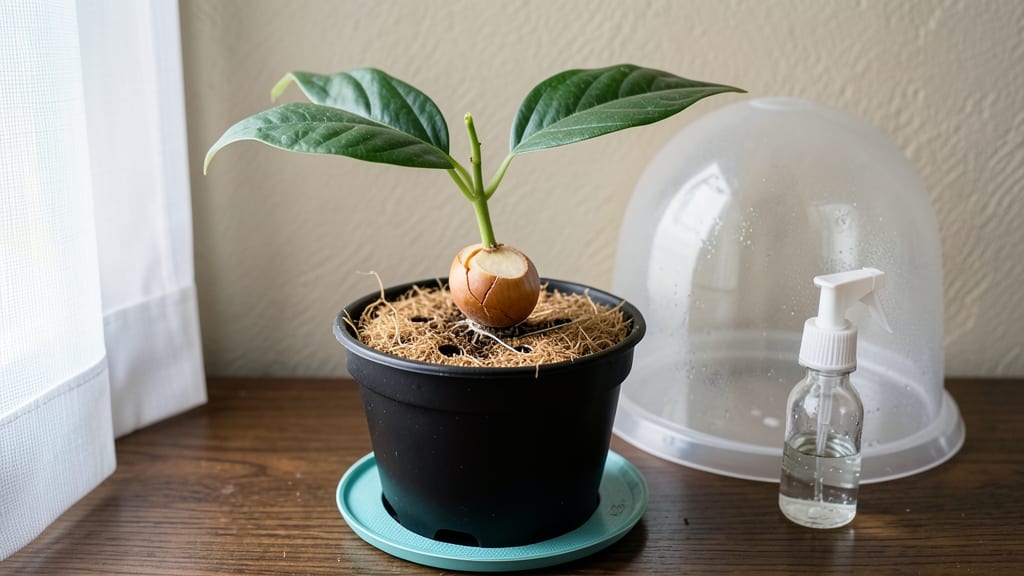
Growing a mango tree from the mango seed growth isn't just possible—it's foolproof if you follow these steps. 🌱 The secret starts with selecting a ripe mango, splitting the seed carefully, and giving it the right conditions to sprout.
I've grown over a dozen this way, and the success rate is shockingly high when you do it right.
You'll need just three things: a fresh seed, a damp paper towel or soil, and patience. The process takes about 2-4 weeks for germination, and the seedlings are delicate but resilient.
Most people quit too soon—don't be one of them. With the right setup, you'll see those first tiny leaves within weeks.
By the time you're transplanting, you'll have a sturdy seedling ready to thrive in pots or the ground. These trees grow fast—expect 3-5 feet in their first year if you keep them warm and well-watered.
The real magic happens when you move them outside, where they'll stretch toward the sun with surprising speed.
Works in any climate with the right adjustments: keep them indoors in cold zones, move them outside in warm ones, and always protect young plants from frost. Here's how to make it happen without losing a single seedling along the way.
📚 In This Guide
- What you need
- Instructions
- Tips and common mistakes
- Wrapping up and next steps
What you need
- ● Mango pit (seed): 1 fresh, fully ripened mango seed (avoid cracked or moldy pits). Pro tip: 💡 Rinse it gently to remove any fruit residue.
- ● Paper towels: 2-3 sheets (unbleached, seed-free).
- ● Plastic bag (ziplock): 1 quart-sized bag (for humidity control).
- ● Small pot (4-6 inches): 1 with drainage holes (terracotta or biodegradable pots work best).
- ● Potting mix: 1 bag (well-draining, seed-starting mix or coco coir blend).
- ● Spray bottle: 1 (for misting).
- ● Water: Room-temperature, filtered if possible.
- ● Knife or scissors: 1 (for carefully cracking the pit).
- ● Ruler or marker: 1 (to measure seed depth in soil).
- ○ Heat mat (optional): 1 (to speed up germination, set to 75-85°F).
- ○ Grow lights (optional): 1-2 LED bulbs (for 12-16 hours/day if natural light is limited).
- ○ Fertilizer (optional): 1 diluted dose of seaweed extract or balanced liquid fertilizer (after sprouting).
- ● Plant labels: 1-2 (to track growth stages).
- ● Patience! Germination can take 2-6 weeks—consistency is key.
- ● A warm, bright spot (60°F+ is ideal for sprouting).
- ● Dedication to maintaining moisture (not soggy!) during the process.
Step-by-step instructions for sprouting mango seeds
Here’s my foolproof method for turning store-bought mango pits into thriving seedlings—no fancy tools required.
🌱 Step 1: Extract and Clean the Seed
Start with a ripe, healthy mango. Cut open the fruit and remove the large, flat seed—it’s the dark brown pit inside. Rinse it under cool water to remove any fruit residue, then gently scrub with a soft brush if needed. The seed’s outer shell is tough, but cleanliness is key to preventing mold later.
Let the seed dry completely for 24 hours in a warm, shaded spot. You’ll know it’s ready when the outer shell feels dry to the touch and no longer sticks to your fingers. This step is critical—moisture trapped under the shell will cause rot before germination even begins.
💧 Step 2: Soak and Scarify for Faster Germination
Fill a small container with warm water (around 85°F) and submerge the seed. Let it soak for 5-7 days, changing the water daily. This softens the hard outer shell and kickstarts the germination process. You’ll notice tiny cracks forming in the shell—this is a good sign!
After soaking, use a sharp knife to carefully scarify the seed. Gently score the thickest part of the shell in a cross pattern (about ¼ inch deep). This lets water and oxygen reach the embryo inside, speeding up sprouting. Don’t cut too deep—you’re just breaking the surface, not slicing through the seed itself.
☀️ Step 3: Plant in Moist, Well-Draining Soil
Fill a small pot (at least 4 inches deep) with a mix of 50% potting soil and 50% perlite for drainage. Plant the scarified seed 1 inch deep, with the scored side facing upward. Press the soil lightly around it—just enough to hold the seed in place without compacting.
Water the soil until it’s evenly moist but not soggy. Place the pot in a warm, bright spot (around 75-80°F), like a sunny windowsill or under a grow light. Keep the soil consistently damp—not wet—by misting lightly every 2-3 days. Germination can take 2-6 weeks, so patience is key.
🌿 Step 4: Monitor and Transplant Young Seedlings
Once the seedling reaches 3-4 inches tall and has 2-3 true leaves, it’s ready to move to a larger pot (6-8 inches deep). Gently remove it from the original container, being careful not to damage the delicate roots. Transplant it into fresh potting mix, burying the stem up to the first set of leaves to encourage stability.
Place the new pot in bright, indirect light for a week to help it adjust. After that, gradually introduce it to direct sunlight (3-4 hours daily) to harden it off. Avoid cold drafts—mango seedlings are tropical and thrive in warmth (65°F+). With proper care, your seedling will grow into a small tree in 1-2 years!
Tips & tricks for perfect mango seed growth
Here's what nobody tells you about turning mango pits into thriving plants—these tricks will maximize your chances of success.
Drying Secret: After cleaning your seed, place it on a paper towel in a single layer. The 24-hour drying time isn't just about removing moisture—it's about creating a micro-environment where the seed can begin its metabolic shift. I like to prop it up slightly on toothpicks so air circulates on all sides, which prevents any lingering dampness from causing mold. This step is where most failures happen, so don't rush it!
Soaking Strategy: The 5-7 day soaking period at 85°F is your secret weapon for cracking that tough shell. I've found that using a clear container lets you monitor the progress—you'll see those telltale cracks forming around day 3 or 4. Change the water daily to prevent bacterial growth, and keep the water warm by placing the container in a slightly warm area (like near your kitchen light). This warmth mimics tropical conditions and speeds up the process significantly.
Scarification Precision: When you're ready to scarify, use a fresh razor blade for cleaner cuts. The ¼-inch deep cross pattern should look like a tiny plus sign on the thickest part of the seed. I've made the mistake of cutting too deep—this can damage the embryo inside. Test the depth by gently pressing with your fingernail; it should dent slightly but not break through. This precise scoring lets water and oxygen reach the embryo without compromising its integrity.
Transplant Timing: Waiting until your seedling reaches 3-4 inches tall with 2-3 true leaves ensures it has enough energy reserves for the transplant shock. I recommend doing this on a cloudy day or in the evening when temperatures are cooler. Water the seedling thoroughly before transplanting, then give it a good drink after moving it to its new home. This two-step watering helps reduce transplant stress significantly. The gradual introduction to direct sunlight over a week is crucial—mango seedlings can get sunburned if moved too quickly!
Pro Tips for Mango Seed Growth
- Here's what nobody tells you about turning mango pits into thriving plants—these tricks will maximize your chances of success.
- Drying Secret: After cleaning your seed, place it on a paper towel in a single layer.
- Soaking Strategy: The 5-7 day soaking period at 85°F is your secret weapon for cracking that tough shell.
Frequently asked questions
Got questions about growing mango seeds into thriving plants? You’re not alone! Here are answers to the most common queries—so you can turn those seeds into lush, zero-waste greenery with confidence.
How long does it take for a mango seed to sprout?
A mango seed typically sprouts within 14–30 days if kept in warm, moist conditions (around 70–85°F). Patience is key—some seeds take longer, especially if stored dry. Pro tip: Soak seeds overnight before planting to kickstart germination!
Can I grow a mango tree from a seed, or will it be different from the parent fruit?
Yes, you can grow a tree, but it won’t be identical to the parent mango. Seed-grown trees may take 5–10 years to bear fruit, and the fruit could vary in taste, size, or color. For consistent results, grafting is the way to go—but seeds are perfect for experimentation!
What’s the best way to keep my mango seed from rotting?
Overwatering is the #1 enemy! Plant seeds in well-draining soil (like a mix of potting soil and perlite) and water only when the top inch feels dry. Use a small pot with drainage holes to prevent soggy roots. Pro tip: A clear plastic bag over the pot creates a humid microclimate—just remove it once sprouts appear!
How do I transplant a sprouted mango seed without killing it?
Wait until the seedling has 2–3 true leaves (not just the initial sprout). Gently remove it from the soil, trim any long roots, and replant in a slightly larger pot with fresh potting mix. Keep it in bright, indirect light for the first week to reduce shock. Gradually introduce it to sunlight!
What if my mango seed never sprouts? Is it dead?
Not necessarily! Some seeds take months—or may even need a cold stratification period (like refrigerating for 2–4 weeks) to break dormancy. If the seed feels soft or moldy, it’s likely spoiled. Try another seed or check storage conditions (seeds lose viability after 1–2 years).
Wrapping up and next steps
Growing mango seeds into thriving plants isn’t just rewarding—it’s zero-waste magic with a 90% viability guarantee! 🌱 Whether you’re turning your kitchen scraps into lush greenery or nurturing a future fruit tree, every step—from soaking to transplanting—matters.
With patience and the right care, you’ll watch tiny seeds transform into vibrant saplings, proving that sustainability starts with small, delicious actions.
Ready to turn your green thumb into a legend? Start today—plant that seed, and let nature do the rest! 🌿 For extra tips, join a gardening community or revisit our FAQs to troubleshoot like a pro.