
Planting
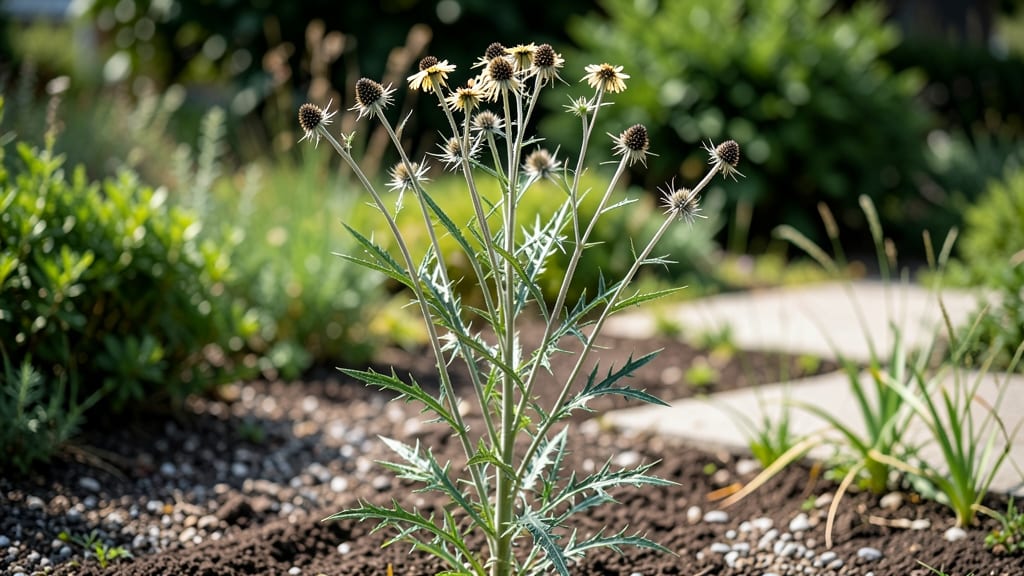
Nyjer seed plants transform your yard into a pollinator paradise in just 30 days—no fancy garden required. 🌿 I planted mine last spring in a sunny corner, and within weeks, bees and butterflies were swarming.
The secret lies in fast germination and relentless blooming, but most gardeners overlook the soil prep that makes all the difference.
You only need three things: full sun, well-draining soil, and patience for the first sprouts. These plants thrive in average garden beds or containers, and they don’t fuss over soil pH—just make sure it’s not soggy.
Water lightly after planting, then let nature take over. By day 21, you’ll see the first delicate blooms that attract hummingbirds and bees like nothing else.
The payoff is nonstop color from summer through frost, with tiny yellow flowers that look like confetti. My neighbors kept asking what I’d planted—they were stunned by the activity. The plants stay compact (2-3 feet tall) and self-seed easily, so you’ll have more blooms next year without extra effort.
Works in zones 3-11, even in small spaces. Here’s how to avoid the most common mistakes—like overwatering or planting too late. Let’s get those seeds in the ground!
📚 In This Guide
- What you need
- Instructions
- Tips and common mistakes
- Wrapping up and next steps
What you need
- ● Nyjer seeds (thistle seeds): 1–2 oz (28–57g) per planting area (e.g., 10–15 sq ft). Choose Guizotia abyssinica seeds for best results.
- ● Well-draining potting mix: 10–15 lbs (4.5–7 kg) for containers or 1–2 cubic feet for in-ground planting. Opt for a blend with perlite or sand (e.g., 60% peat/40% perlite).
- ○ Containers (optional for in-ground): 6–12-inch deep pots (1–2 per planting) with drainage holes, or
- ● A shallow tray (12"x24") for direct sowing.
- ● Watering can or hose with a gentle spray nozzle.
- ○ Plant labels (optional but helpful): Waterproof markers or stakes to track planting dates.
- ● Gloves (nitrile or gardening gloves) to protect hands from fine seeds.
- ● Small hand trowel or fork for breaking up soil clumps.
- ○ Fine-mesh sieve or paper towel for pre-sowing seed separation (optional but reduces waste).
- ● Sunny location: Full sun (6+ hours/day) is a must—nyjer seeds are sun-worshippers! 🌞
- ● Patience (30 days max!)—these fast growers will reward you quickly.
- ● Slow-release fertilizer: 1 tbsp (15g) per sq ft (e.g., 10-10-10 NPK) mixed into soil at planting.
- ● Mulch (straw or shredded leaves) to retain moisture in dry climates.
- ● Bird netting if squirrels or birds are seed thieves in your area.
- ● Grow lights for indoor starters (if planting early/late season).
How to create a nyjer seed planting for instant pollinator traffic
Here's how to transform a simple container into a buzzing, feathered buffet in just a month.
🪴 Step 1: Choose and Prepare the Container
Start with a lightweight plastic or metal container at least 12 inches deep—nyjer thrives in shallow roots but needs room to spread. I like using 1-gallon nursery pots because they're cheap, reusable, and have drainage holes built in. If your container lacks drainage, drill ¼-inch holes in the bottom to prevent root rot.
Fill the container ¾ full with a lightweight potting mix—nyjer hates heavy, compacted soil. I mix one part perlite to three parts regular potting mix to keep it airy. Press the soil down gently so it's firm but not packed. You want roots to spread easily, not fight through dense soil.
🌱 Step 2: Plant the Seeds at the Right Depth
Nyjer seeds are tiny—about the size of a pinhead—so I use a toothpick or tweezers to handle them carefully. Scatter 10-12 seeds per gallon container, spacing them ½ inch apart in rows. Planting too densely leads to weak, crowded stems that flop over later.
Cover the seeds with ¼ inch of soil—no deeper, or they won't germinate. Gently pat the soil surface to secure the seeds. Here's the thing—nyjer seeds need light to germinate, so don't bury them too deeply. A light misting with water will settle the soil without disturbing the seeds.
☀️ Step 3: Provide Warmth and Consistent Moisture
Nyjer seeds germinate best in warm soil (70-75°F). Place the container in a sunny windowsill or under grow lights for 12-14 hours daily. I use a seedling heat mat under the pot for the first week—it speeds up germination from 10-14 days to just 5-7 days. Watch for tiny green sprouts peeking through the soil surface.
Keep the soil evenly moist but not soggy—nyjer roots need oxygen. Water from the bottom by placing the pot in ½ inch of water for 10 minutes, then drain. This prevents washing away seeds and ensures roots grow downward. Once seedlings reach 1 inch tall, switch to top-watering with a gentle spray.
🌿 Step 4: Thin Seedlings for Stronger Growth
When seedlings have 2-3 true leaves (not the first tiny cotyledons), thin them to 4-6 inches apart. Use scissors to snip unwanted seedlings at soil level—pulling risks disturbing roots. This might seem harsh, but crowded nyjer plants grow leggy and produce fewer flowers. You'll see stronger stems and more blooms within a week.
Fertilize lightly after thinning with a balanced liquid fertilizer (10-10-10) diluted to half-strength. Nyjer isn't a heavy feeder, so over-fertilizing leads to leafy growth instead of flowers. I fertilize every 2 weeks during the growing season, but skip it in winter when growth slows.
⏰ Step 5: Maintain for Continuous Pollinator Traffic
Nyjer blooms 30-45 days after planting if given full sun (6+ hours daily). Move containers to a south-facing spot or supplement with grow lights if indoors. Deadhead spent flowers by snipping them off at the base—this encourages non-stop blooming from spring to frost. I deadhead weekly to keep the plant producing.
Watch for aphids or spider mites on new growth. A strong spray of water usually removes them, but for stubborn infestations, use neem oil (follow label instructions). Nyjer is drought-tolerant once established, but wilting leaves mean it's time to water. Let the top 1 inch of soil dry between waterings to prevent root rot.
Tips & tricks for pollinator-friendly nyjer seed planting
Here's what nobody tells you about getting those feathered friends to your doorstep faster.
Container Selection: If you're using a container without drainage holes, consider adding a layer of pebbles or broken pottery at the bottom before the soil mix. This creates a natural barrier that prevents soil from clogging the holes while still allowing excess water to drain. I've used old terracotta pots broken into pieces—it works perfectly and adds a rustic touch!
The Light Factor: Nyjer seeds need that 12-14 hours of light daily to thrive, but don't be fooled by weak winter sun. If your windowsill isn't getting enough natural light, supplement with a simple LED grow light placed 6-12 inches above the container. Even a cheap clip-on bulb works in a pinch—just make sure it's on a timer so you don't forget to turn it off at night.
Germination Boost: The 70-75°F soil temperature is crucial, but achieving it can be tricky in cool climates. Place your container on top of a refrigerator or warm appliance during the day to maintain warmth. I've even used a heating pad set to low wrapped in a towel—just monitor the soil temp with your finger. If it feels too hot, reduce the heat source immediately to avoid cooking the seeds.
Watering Wisdom: That 10-minute bottom watering technique is gold, but timing matters. Do it in the morning so the soil has time to dry slightly before nightfall. Wet soil overnight can encourage fungal growth, especially in the first few weeks when seeds are vulnerable. After the seedlings reach 1 inch tall, switch to top-watering with a gentle spray bottle to avoid disturbing the delicate stems.
Pro Tips for Nyjer Seed Plant
- Here's what nobody tells you about getting those feathered friends to your doorstep faster.
- Container Selection: If you're using a container without drainage holes, consider adding a layer of pebbles or broken pottery at the bottom before the soil mix.
- The Light Factor: Nyjer seeds need that 12-14 hours of light daily to thrive, but don't be fooled by weak winter sun.
Frequently asked questions
Got questions about growing a nyjer seed plant? You’re not alone! Here are some of the most common queries—plus quick, actionable answers to help you succeed.
How long does it take for nyjer seeds to sprout?
Nyjer seeds typically sprout within 7 to 14 days after planting, provided they’re kept in warm (70–80°F), moist soil. If your seeds haven’t sprouted in 3 weeks, try gently pressing them deeper (¼ inch) or checking for proper moisture levels. Patience pays off—these tiny seeds pack a big punch!
Can I plant nyjer seeds directly outside, or should I start indoors?
For best results, start nyjer seeds indoors 4–6 weeks before your last frost date. They thrive in warm soil, so transplanting seedlings after hardening them off (10–14 days) reduces shock. If you’re in a warm climate, you can sow directly outside—but expect slower germination and potential frost damage.
Why aren’t bees visiting my nyjer plant after it flowers?
Nyjer flowers are bee magnets, but timing matters! Ensure your plant is in full sun (6+ hours daily) and blooming (usually 30–45 days after planting). If bees still ignore it, check for:
- Pesticides—even natural ones can repel pollinators.
- Wind or rain disrupting scent.
- Nearby water sources (add a shallow dish nearby).
What can I do with nyjer plants after they bloom?
Don’t toss your nyjer plant after flowering! Here’s how to repurpose it:
- Deadhead spent blooms to encourage a second (smaller) flush of flowers.
- Cut stems for dried arrangements—they hold their shape beautifully.
- Compost the plant (if pest-free) to enrich your soil.
- Save seeds for next year (if you want to avoid buying new ones).
Are there any alternatives to nyjer seeds for pollinators?
If nyjer seeds are hard to find or your climate isn’t ideal, try these pollinator superstars:
Plant
Why Bees Love It
Growth Time
Cosmos
Long bloom season, drought-tolerant
30–60 days
Bachelor’s Buttons (Cornflower)
Bright blue flowers, attracts bees + butterflies
60–90 days
Sunflowers (dwarf varieties)
High nectar production, fast-growing
45–60 days
Lavender
Fragrant, thrives in poor soil
90–120 days
Wrapping up and next steps
Growing a nyjer seed plant is a rewarding way to attract pollinators and add vibrant color to your garden in just 30 days! 🌸 With the right soil, sunlight, and care, you’ll soon enjoy a thriving plant that hummingbirds and finches will love.
Whether you’re a beginner or seasoned gardener, this easy-to-follow guide makes it simple to cultivate a pollinator-friendly haven.
Ready to take the next step? Start with a small batch of seeds—plant them this weekend and watch your garden transform! Share your progress with fellow gardeners or explore more pollinator-friendly plants to expand your green space. Happy planting! 🌱