
Lawn
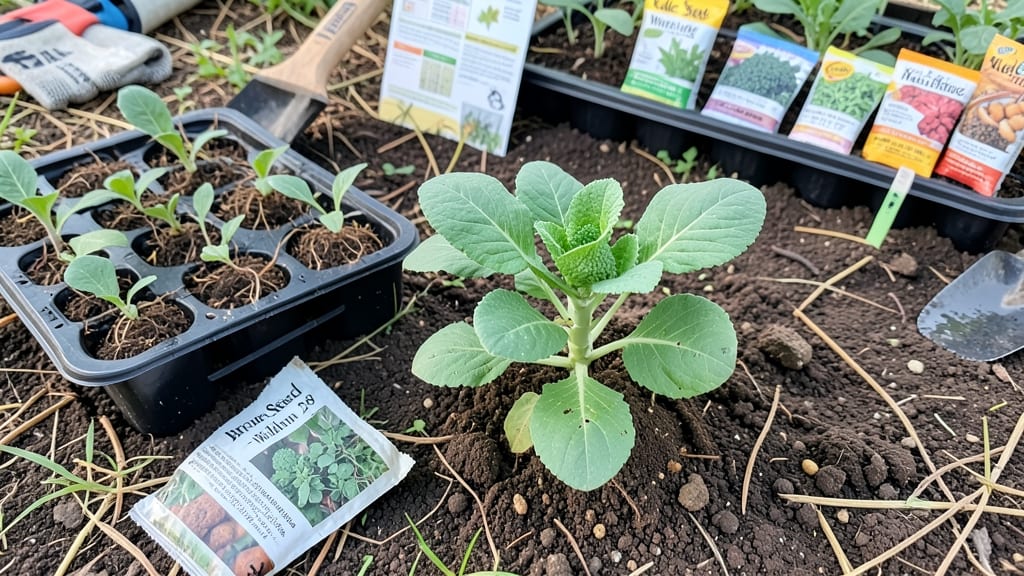
Planting seeds in the fall saves you from spring's crowded nurseries—and gives cool-season crops a head start before winter. 🌱 I’ve learned that fall seeding isn’t just about timing; it’s about matching plants to your zone’s first frost date so they establish strong roots before dormancy.
The right seeds—like fescue grass, clover, or hardy vegetables—thrive when soil temps drop, while weeds slow down. A simple soil test and light raking prep the ground better than spring’s rushed tilling. My lawn went from patchy to lush just by planting ryegrass in October.
You’ll see germination within 2-4 weeks, with roots deep enough to handle winter’s chill. The payoff? Less spring maintenance and a jumpstart on next year’s growth. Here’s how to pinpoint your zone’s perfect window.
📚 In This Guide
- What you need
- Instructions
- Tips and common mistakes
- Wrapping up and next steps
What you need
- ● Lawn seed: Choose high-quality, cool-season grass seed (e.g., fescue, ryegrass, or bluegrass) for your specific zone. Quantity: ~5–10 lbs per 1,000 sq ft (follow package guidelines).
- ● Soil test kit: Check pH and nutrient levels (ideal pH: 6.0–7.0 for most grasses).
- ● Compost or organic fertilizer: Slow-release, fall-specific formula (e.g., 10-10-10 or composted manure). Quantity: ~1 lb per 100 sq ft.
- ● Topsoil or seed-starting mix: 1–2 inches of loose, well-draining soil for covering seeds.
- ● Straw or peat moss: Light mulch (¼–½ inch) to retain moisture and protect seeds from birds. Quantity: Enough to cover seeded areas.
- ● Broadcast spreader: For even seed distribution (manual or drop-type).
- ● Rake (bow or leaf rake): Fine-toothed for leveling soil and covering seeds.
- ● Garden hose with spray nozzle: For gentle watering (avoid pressure washers!).
- ○ Lawn roller (optional): Lightweight (50–100 lbs) to firm soil post-seeding (use sparingly!).
- ● Gloves & knee pads: Because comfort matters! 😉
- ● Check your USDA hardiness zone and local first frost date—seed 4–6 weeks before frost for best results.
- ● Clear debris, weeds, and rocks from your lawn area (use a dethatching rake if needed).
- ● Test soil moisture: It should be damp but not soggy before and after seeding.
- ● Plan for consistent watering: Aim for ¼–½ inch of water daily for the first 2–3 weeks.
Instructions: how to time fall seedings for strong spring growth
Fall planting works best when you match seed types to your zone’s frost dates. Here’s how to nail the timing for reliable germination and establishment.
📅 Step 1: Determine Your Zone’s Fall Planting Window
Check your USDA hardiness zone—most fall seeds need to germinate 6-8 weeks before first frost so young plants mature before cold sets in. For example, in Zone 5, aim for mid-August to early September for cool-season crops like spinach or peas. In Zone 8, you’ve got until late October.
I always mark my calendar with the average first frost date (find yours [here](https://www.almanac.com/gardening/frostdates)), then count backward. If you’re unsure, err on the earlier side—seeds planted too late may not establish roots before winter.
🌱 Step 2: Choose Frost-Resistant Seeds for Your Region
Not all seeds handle fall planting. Focus on cool-season crops like lettuce, kale, radishes, and carrots that thrive in 40-60°F soil. Avoid warm-season seeds (tomatoes, peppers) unless you’re in Zone 9+ with mild winters. I keep a cheat sheet of my zone’s best fall performers—last year’s radishes germinated in 3 days at 55°F!
Check seed packets for “fall planting” labels or ask local nurseries. Some varieties (like ‘Winter Density’ kale) are bred for cold tolerance and even sweeten after frost. If unsure, test a small batch first—fall failures are less costly than spring ones.
💧 Step 3: Prepare Soil and Plant at the Right Depth
Work the soil lightly—just enough to break up clumps—without tilling deeply. Fall’s cooler temps mean soil stays moist longer, so aim for 1-2 inches deep for most seeds (smaller seeds like lettuce go ¼ inch deep). I use a hand trowel to make precise furrows, spacing seeds ½ inch apart in rows 12 inches apart.
Water gently after planting—soil should feel damp but not soggy. Overwatering now can wash seeds too deep or cause rot. Cover with ¼ inch of soil or compost (no mulch yet—you’ll add that later). If rain’s forecasted, wait until skies clear to avoid burying seeds too deep.
⏰ Step 4: Monitor and Protect Young Seedlings
Fall seedlings grow slower than spring ones, so check soil moisture weekly—it’s easy to overlook when temps drop. Water when the top ½ inch feels dry, using a soaker hose to avoid disturbing roots. If a hard frost threatens (below 28°F), cover seedlings with row fabric or straw—they’ll bounce back with spring’s warmth.
Watch for pests like slugs (they love tender fall greens) and thin seedlings to 2-3 inches apart once they have 2 true leaves. I use a small hand fork to gently lift and separate crowded plants—less shock than pulling by hand.
🌿 Step 5: Mulch and Let Nature Do the Work
Once seedlings are 3-4 inches tall, apply 2-3 inches of straw mulch to insulate roots and retain moisture. This is the “set it and forget it” step—mulch breaks down over winter, adding organic matter while protecting soil structure. In spring, you’ll see established plants ready to grow without transplant shock.
Label your rows if you’re planting multiple varieties (I use popsicle sticks and a sharpie). Come spring, you’ll harvest weeks earlier than neighbors who waited until March—proof that fall planting pays off!
Tips & tricks for perfect fall seedings
Here's what nobody tells you about getting fall plantings right the first time.
Zone-Specific Timing: The 6-8 weeks before first frost is your window, but don't guess—check your local frost date and count backward. I keep a garden journal with exact dates for each zone. In Zone 5, I plant spinach by August 15th, while Zone 8 gardeners can wait until October 1st. If you're between zones, err on the earlier side—you can always add more later, but late plantings won't mature before freeze.
Soil Temperature Matters: Cool-season crops need soil between 40-60°F to germinate properly. Test your soil with a thermometer before planting—if it's below 40°F, wait a few days or use black plastic mulch to warm it up. I've seen radishes germinate in just 3 days at 55°F, but they'll take weeks at cooler temperatures. The key is planting when your soil is consistently in that sweet spot.
Planting Depth Precision: Those 1-2 inch depth measurements are critical—too deep and seeds won't sprout, too shallow and they'll dry out. For small seeds like lettuce, use your finger to make a tiny furrow about ¼ inch deep. I find a hand trowel works best for creating consistent furrows. After planting, gently pat the soil to ensure good seed-to-soil contact without burying them too deep.
Frost Protection Strategy: When temperatures drop below 28°F, your seedlings need protection. I keep row fabric and straw on hand specifically for these cold snaps. The fabric acts like a blanket, while straw provides insulation from the ground up. Test your protection method before you need it—cover a small section and observe how quickly it warms in sunlight.
Pro Tips for Seed In The Fall
- Here's what nobody tells you about getting fall plantings right the first time.
- Zone-Specific Timing: The 6-8 weeks before first frost is your window, but don't guess—check your local frost date and count backward.
- Soil Temperature Matters: Cool-season crops need soil between 40-60°F to germinate properly.
Frequently asked questions
Got questions about seeding your lawn in the fall?
You’re not alone! Here are answers to the most common concerns to help you get started with confidence.
What’s the best time to seed in the fall?
The ideal window is 4–6 weeks before your first hard frost—typically late August to early October in most zones. This gives seedlings time to root before winter. Check your USDA Plant Hardiness Zone for local timing, as cooler temps and shorter days encourage strong growth.
Can I still seed if frost is coming soon?
If frost is imminent (within 2 weeks), delay seeding until spring. But if you’re close (3+ weeks out), use a cold-hardy grass blend and cover seeds with straw for insulation. Just avoid walking on the area until spring—frost can damage tender shoots.
Is fall seeding more expensive than spring?
Not necessarily! Fall seeding often costs less because labor and materials are cheaper (no peak spring demand). Plus, cooler temps mean fewer weeds and higher germination rates, saving you money on reseeding. Just budget for frost protection if needed in early zones.
What if my soil isn’t ready yet?
Test your soil’s pH (aim for 6.0–7.0) and amend with compost or fertilizer 2–4 weeks before seeding. If soil is compacted, aerate in early fall. Skip seeding if rain is forecast—wait for dry, workable conditions to avoid clumping or erosion.
Will pests or weeds ruin my fall lawn?
Fall is actually pest- and weed-friendly for seeding! Cool weather slows insects, and weeds are less competitive. Pre-treat with a pre-emergent herbicide if needed, but avoid post-seeding weed killers—they’ll harm tender grass. Mulch seeds lightly to deter birds and rodents.
| Zone | Best Seeding Window | Key Tip |
|---|---|---|
| Zones 3–5 | Late August–mid-September | Use cold-hardy grasses (e.g., Kentucky bluegrass) and protect with straw. |
| Zones 6–8 | Mid-September–early October | Take advantage of mild winters—seed later if needed. |
| Zones 9–10 | October–early November | Focus on watering—cooler temps mean slower evaporation. |
Pro tip:
Mark your calendar with your frost date (check the National Weather Service) and seed 4–6 weeks out. This gives you the perfect balance of time and temperature for a lush, frost-proof lawn!
Wrapping up and next steps
Fall is your golden opportunity to plant seeds that thrive—but timing matters!
Whether you're in a cold-hardy Zone 3 or a milder Zone 10, understanding your local frost dates ensures your lawn or garden roots deep and blooms strong. 🌱 With the right prep, patience, and a little know-how, you’ll watch your efforts flourish next spring.
Ready to take the next step? Mark your calendar for your zone’s last frost date, gather your supplies, and start sowing! Even a small patch of fall-planted seeds can transform your outdoor space—so why wait? Get growing today!