
Planting
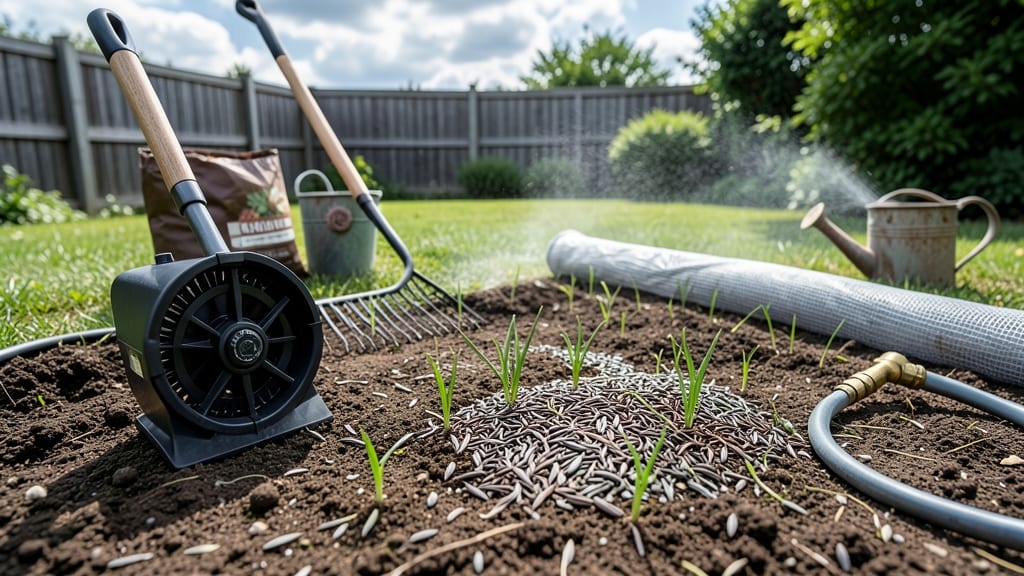
Sowing grass seed in fall is the secret weapon for a thick, green lawn next spring—when temperatures drop and weeds slow down, grass seed thrives. 🌱 I’ve seen bare patches transform into lush carpets just by timing the planting right, and it’s easier than you think. The key? Cooler soil, consistent moisture, and a little patience before winter sets in.
You’ll need a sharp rake, a light layer of compost, and the right seed mix for your climate—cool-season grasses like Kentucky bluegrass or fescue work best. Skip the summer heat, and you’ll avoid the stress of battling weeds or dry soil.
Most regions see 6-8 weeks of ideal growing conditions before frost, giving roots time to establish deep before winter.
After spreading seed, keep the soil evenly moist (not soggy) with light watering daily until germination. You’ll notice tiny sprouts in 7-14 days, and by late fall, your lawn will be tough enough to handle light foot traffic.
The payoff? A head start on spring growth, fewer weeds, and a lawn that outcompetes summer weeds.
Works in USDA Zones 3-9, but adjust timing based on your first frost date—aim for 4-6 weeks before it hits. For rocky or shady spots, try fine fescue; sunny areas love tall fescue. Here’s how to nail it without the guesswork.
📚 In This Guide
- What you need
- Instructions
- Tips and common mistakes
- Wrapping up and next steps
What you need
- ● Grass seed: Choose a cool-season variety (e.g., Kentucky bluegrass, fescue, or ryegrass) based on your climate zone.
- ● Quantity: 5–10 lbs per 1,000 sq ft (follow seed packet guidelines for best results).
- ● Soil test kit: Check pH and nutrient levels (ideal pH: 6.0–7.0).
- ● Lime or sulfur: Adjust soil pH if needed (apply 2–3 months before seeding).
- ● Fertilizer: Starter fertilizer (high in phosphorus, e.g., 5-10-10 ratio).
- ● Slow-release fertilizer (for post-seeding growth, e.g., 16-4-8).
- ● Lawn rake: Bow rake with 1/4–1/2 inch tines for aerating and leveling.
- ● Broadcast spreader: For even seed distribution (or a hand spreader for small areas).
- ● Water source: Hose with gentle sprinkler attachment or irrigation system.
- ○ Mulch (optional): Straw or peat moss (1/4 inch layer) to retain moisture and protect seeds.
- ○ Weed barrier fabric (optional): If seeding over bare soil to suppress weeds.
- ● Timing: Sow seeds 4–6 weeks before your first frost (ideal soil temp: 60–75°F).
- ● Weather: Aim for a 5–7 day forecast with no rain (or use a sprinkler for consistent moisture).
- ● Prep work: Mow existing grass short, remove debris, and loosen soil with a rake.
How to sow grass seed in fall for a thick, frost-resistant lawn
Fall planting gives grass roots months to establish before winter—here’s how to do it right.
🌱 Step 1: Prepare the Soil for Optimal Germination
Test your soil’s pH first—cool-season grasses thrive in a range of 6.0 to 7.0. If your soil tests lower, add pelletized lime two months before sowing to adjust the pH gradually. I’ve seen rushed lime applications burn tender grass roots, so patience here pays off.
Use a garden rake to loosen the top 2-3 inches of soil, breaking up compacted layers. Remove debris and level the surface with a lawn roller or your feet—uneven ground leads to thin spots where water pools. The goal is a fine, crumbly texture that lets seed make direct contact with soil.
💧 Step 2: Choose the Right Seed and Spread Evenly
Select a cool-season grass blend suited to your climate—tall fescue for durability, Kentucky bluegrass for softness, or a mix for balance. Spread seed at the rate listed on the package, but never double it—over-seeding wastes money and creates competition for nutrients. I like to use a broadcast spreader for large areas or a hand spreader for tight spaces.
Work in two perpendicular passes to ensure even coverage. Lightly rake the seed into the soil with a stiff-bristled rake, pressing it just enough to make contact with the earth—no deeper than ¼ inch. This prevents seed from drying out or being buried too deep, which delays germination.
☀️ Step 3: Water Gently and Consistently for Germination
Keep the soil surface uniformly moist for the first 2-3 weeks—this is critical. Water lightly twice daily (morning and evening) for 10-15 minutes each time, enough to dampen the top ½ inch of soil. Avoid heavy watering, which can dislodge seed or create runoff. You’ll know you’re doing it right when the soil looks damp but not soggy.
Once the grass reaches 2-3 inches tall, reduce watering to deep, infrequent sessions—this encourages deep root growth. A good rule of thumb: 1 inch of water per week, including rainfall. Overwatering now leads to shallow roots that struggle in summer heat.
✂️ Step 4: Maintain and Protect New Growth
Wait to mow until the grass reaches 3-4 inches tall, then set your mower to 3 inches to encourage root development. Never remove more than ⅓ of the blade height in one mowing—this prevents stress and weakens the lawn. I’ve seen beginners scalp new grass, turning vibrant green into yellow patches overnight.
Apply a slow-release fertilizer with low nitrogen (like 10-10-10) 4-6 weeks after sowing to support root growth without promoting top growth too soon. Avoid high-nitrogen fertilizers—they encourage tender shoots that won’t survive winter. Mulch with straw after germination to retain moisture and protect seedlings from temperature swings.
⏰ Step 5: Prepare for Winter and Next Season
Stop fertilizing 6-8 weeks before the first frost to let the grass harden off. Rake up debris and leaves regularly to prevent smothering. In late fall, apply a winterizer fertilizer (high in phosphorus and potassium) to strengthen roots for spring. I’ve seen lawns that looked great in fall turn into muddy messes in spring because they skipped this step.
Mark your calendar for early spring—this is when you’ll want to overseed any thin patches. Fall-sown grass will be ready to fill in gaps by then, giving you a lush lawn without the summer stress of seeding in heat.
Tips & tricks for perfect fall grass seed germination
A few strategic moves will help you avoid common pitfalls and maximize your fall seeding success.
Soil Preparation: In Step 1, don't just loosen the top 2-3 inches—focus on breaking up any compacted layers below that too. I've seen lawns fail when the root zone stays too dense. Use a garden fork if you're dealing with particularly hardpan. Also, consider adding a thin layer of compost (½ inch) when you're leveling the soil—it improves moisture retention and provides early nutrients without overwhelming the seedlings. The compost should be well-rotted to avoid introducing weed seeds.
Seed Depth and Coverage: When you're lightly raking seed into the soil in Step 2, think of it as creating a cozy nest rather than burying it. The seed should be just barely covered—you should still be able to see individual seeds when you look closely. For larger lawns, I recommend using a push broom after raking to gently sweep away any seed that's piled up in one spot. This ensures even distribution and prevents thick patches that can attract pests.
Watering Consistency: The 10-15 minutes of watering twice daily in Step 3 is your golden window. Use a rain gauge or tuna can to measure your water output—you'll be surprised how much variation exists between different sprinkler systems. I've found that early morning watering (before 10 AM) minimizes evaporation, while evening watering should finish by 6 PM to prevent fungal growth. Consider using a soaker hose for the first week—it delivers water directly to the soil surface without disturbing the seed.
Pro Tips for Sowing Grass Seed In Fall
- A few strategic moves will help you avoid common pitfalls and maximize your fall seeding success.
- Soil Preparation: In Step 1, don't just loosen the top 2-3 inches—focus on breaking up any compacted layers below that too.
- Seed Depth and Coverage: When you're lightly raking seed into the soil in Step 2, think of it as creating a cozy nest rather than burying it.
Frequently asked questions
Got questions about sowing grass seed in fall? You’re not alone—timing, prep, and troubleshooting can feel tricky! Here are answers to the most common queries to help you nail your cool-season lawn project.
When is the absolute latest I can sow grass seed before winter?
For most cool-season grasses (like fescue or ryegrass), aim to plant 4–6 weeks before your first hard frost—usually mid-to-late October in many U.S. regions. If frost hits before germination (7–21 days), your seed won’t sprout. Check your USDA Plant Hardiness Zone for local guidance.
Will grass seed still grow if I plant it after the first light frost?
Yes, but with caution! Light frost (28–32°F) won’t harm dormant seed, but avoid planting if temperatures drop below 20°F—it’ll kill emerging seedlings. If frost is imminent, opt for overseeding (sprinkling seed over existing grass) to reduce exposure. A thin layer of straw (¼ inch) can also protect seeds from cold snaps.
Is fall seeding cheaper than spring? Why should I bother?
Fall seeding is often more cost-effective because:
- Fewer pests: Grubs and weeds are less active in cool weather.
- Lower water needs: Cooler temps mean less evaporation.
- Stronger roots: Grass establishes deeper before winter dormancy.
- Discounted seed: Retailers clear out fall inventory at lower prices.
Can I skip tilling and just aerate before sowing?
You can, but results vary! Aeration helps loosen compacted soil, but tilling is better for thick thatch or bare spots. For minimal prep:
- Aerate (rent a core aerator for best results).
- Rake lightly to create a fine seedbed (¼-inch deep furrows).
- Spread seed evenly—no need to bury it.
My new grass isn’t growing—what went wrong?
Don’t panic! Common issues and fixes:
Problem
Likely Cause
Solution
No sprouts after 3 weeks
Too deep, dry, or cold
Lightly rake and water gently (keep soil moist like a damp sponge).
Weeds popping up instead
Pre-emergent not used or thin seed coverage
Apply a post-emergent herbicide (like corn gluten meal) or hand-pull weeds.
Patchy growth
Uneven seed spread or soil compaction
Top-dress with compost and reseed thin areas in spring.
Pro tip: Take a soil sample to check pH—most grasses thrive at 6.0–7.0. Adjust with lime (to raise) or sulfur (to lower) if needed.
Wrapping up and next steps
Sowing grass seed in the fall is a game-changer for lush, resilient lawns—especially for cool-season grasses! 🌱 With ideal temperatures, fewer weeds, and deeper root growth before winter, you’re setting your lawn up for success. The key? Timing, prep, and patience—but the rewards are worth it.
Ready to take the next step? Grab your seeds, roll up your sleeves, and transform that bare patch into a vibrant green carpet by next spring. Need a refresher? Revisit our FAQs or dive into seasonal care tips to keep your lawn thriving year-round!